Subscribe to stay in-the-know
Enter your details to receive communications about our products and services, events, and cultural endeavours.
A good incense blend does not release every aroma at once. It unfolds because different aromatic molecules move at different speeds.
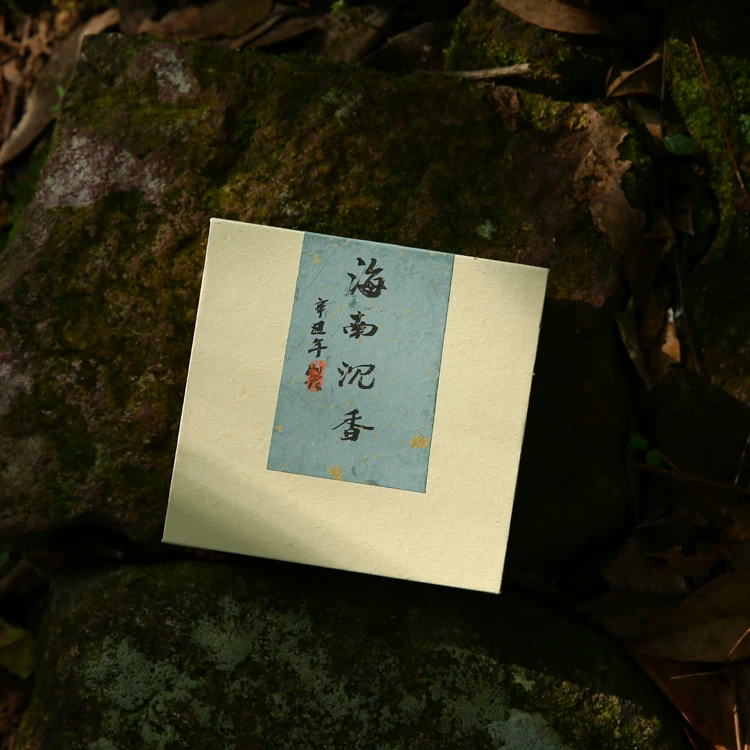
Layered incense depends on sequence: lighter notes open first, steadier middle notes form the body, and heavier resinous or woody notes extend the finish.
A finished incense contains many aromatic compounds. They do not all appear in the air at the same time. Some lift quickly, some build slowly, and some remain as the lingering finish.
This release sequence is one reason a refined incense can feel alive. It does not simply smell strong; it changes.
One useful way to explain this is boiling point. Lighter aromatic molecules generally release earlier. Heavier or more stable molecules tend to release more slowly and remain longer.
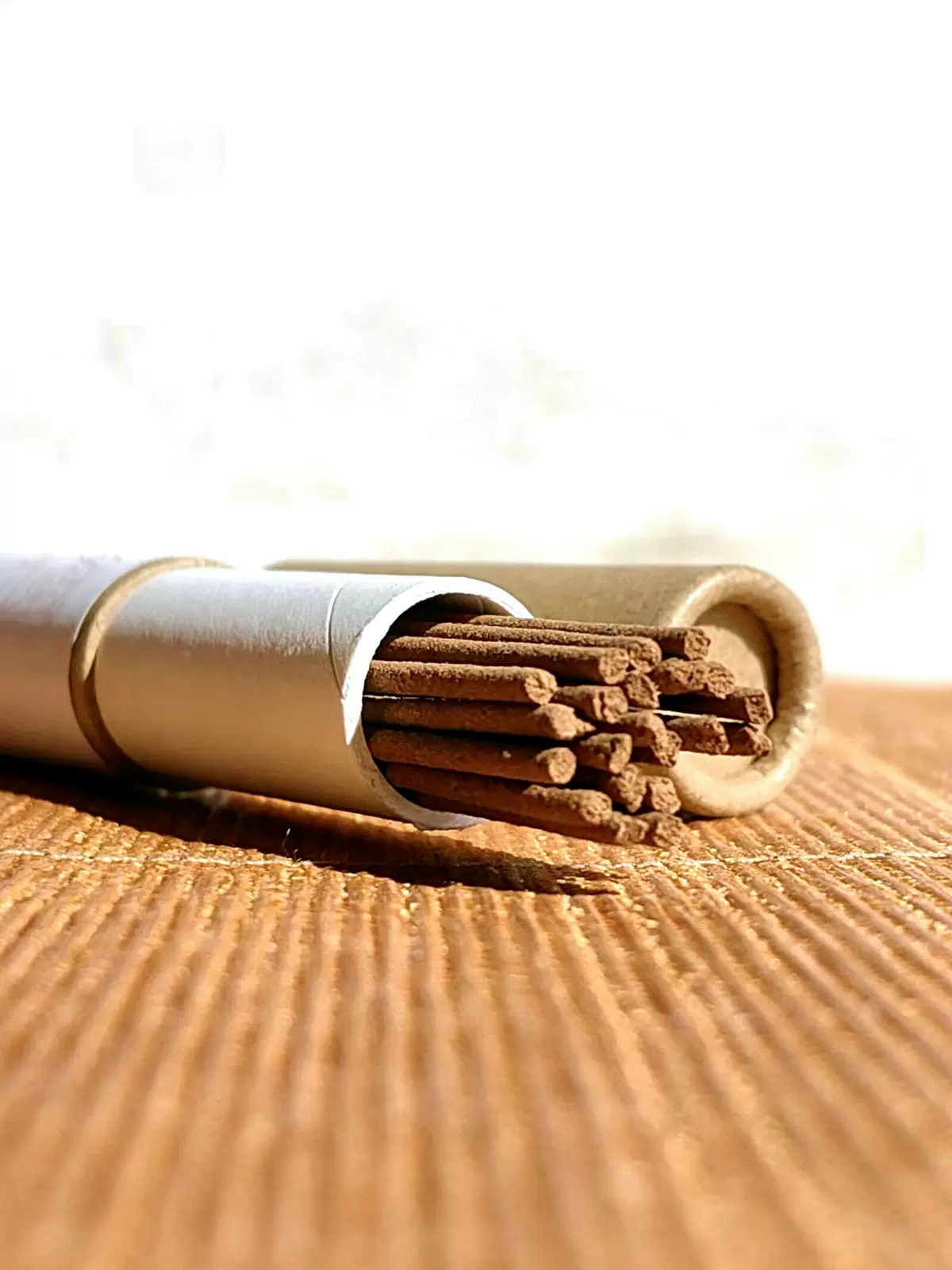
Products such as Handmade Grapefruit Leaf Incense Sticks, Handmade Osmanthus Incense Sticks, and Handmade Rose Floral Incense Sticks each begin from a different aromatic direction, but the quality question is similar: does the scent move naturally from opening to body to finish?
A blend that opens brightly but disappears too quickly may feel thin. A blend with only heavy base notes may feel dull. The craft is in arranging the aromatic roles so the experience has movement.
A common mistake is to think premium incense means adding more expensive material. In practice, a balanced formula depends on proportion, volatility, support, and transition.
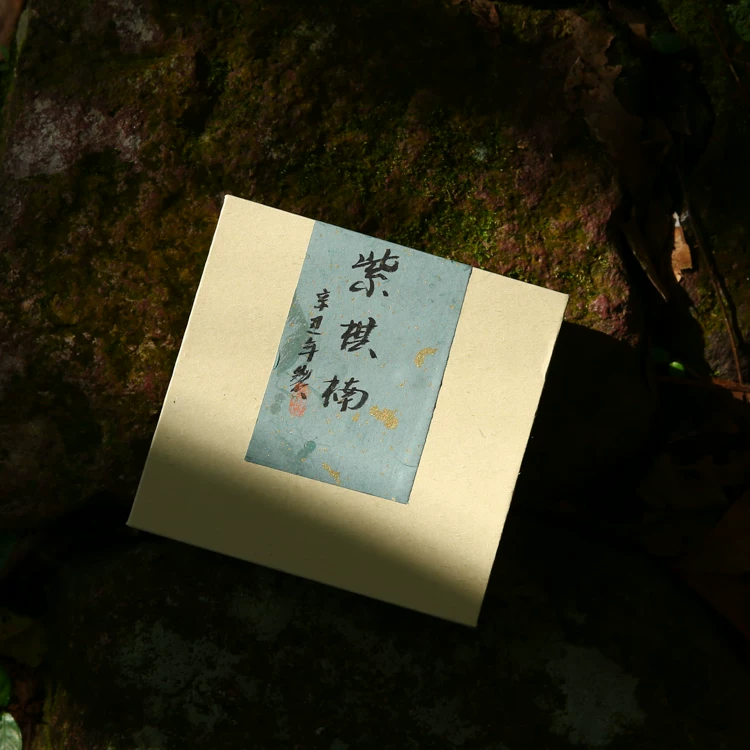
Agarwood pieces such as the Huang Qinan Premium Agarwood Incense Coils, Purple Qinan Premium Agarwood Incense Coils, Ambergris Agarwood Coil Incense, and Natural Goose Pear Agarwood Incense are best described through structure and finish, not through exaggerated luxury claims.
When testing incense, smell it in stages. Notice the first minute, the middle of the burn, and the quiet air after the burn has ended. Good incense should feel more complete when these stages are connected.
If you are still building scent memory, compare multiple formats in the Natural Incense Sampler Set, then read how to judge incense stick quality by scent for a more consumer-facing method.
For a slower woody release, compare the Hainan Agarwood Coil Incense, Vietnam Nha Trang Agarwood Coil Incense, and Indian Sandalwood Agarwood Incense Coils.
Browse the full Fragrance collection for incense sticks, coils, cones, holders, and gift-ready botanical sets.