
Subscribe to stay in-the-know
Enter your details to receive communications about our products and services, events, and cultural endeavours.
Natural incense quality begins with material literacy: what the raw aromatics are, how they smell, how they behave, and how they support the blend.
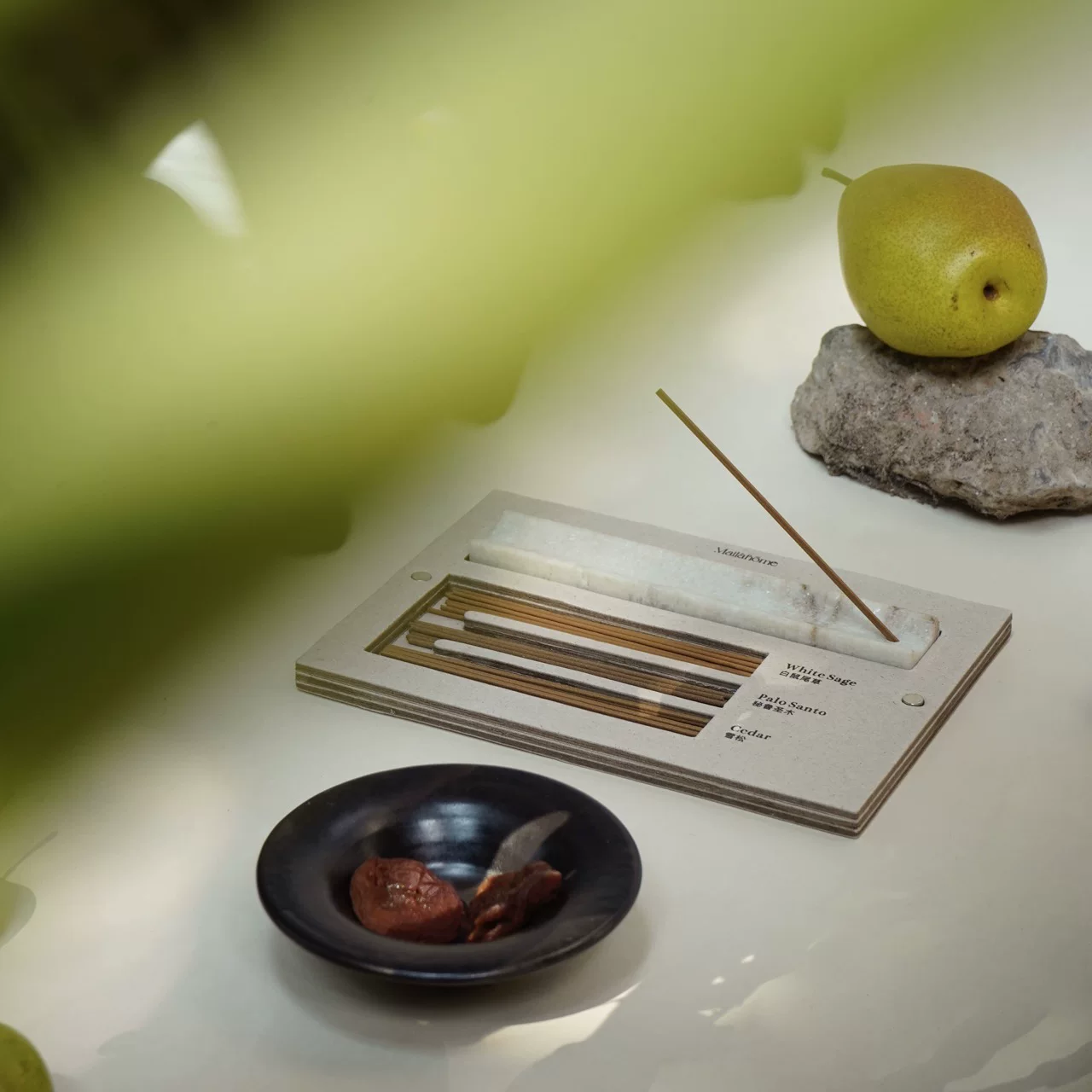
The best way to judge natural incense ingredients is to combine sensory evaluation, material evidence, observation methods, blend role, and practical value instead of relying on price or vague claims.
Natural incense ingredients should be judged before the story around them. A beautiful label cannot replace the ability to notice whether a material smells clean, layered, stable, and appropriate for its role in a blend.
This matters for pieces such as the Botanical Incense Stick Gift Set and White Sage & Palo Santo Smudge Stick Set, where the user is not only buying a scent but also a material language: sage, palo santo, cedar, wood, resin, floral, or herbal notes.
A practical framework is to evaluate natural aromatic materials through five weighted checks: sensory evaluation, physical or chemical evidence, observation method, blend role, and market context.
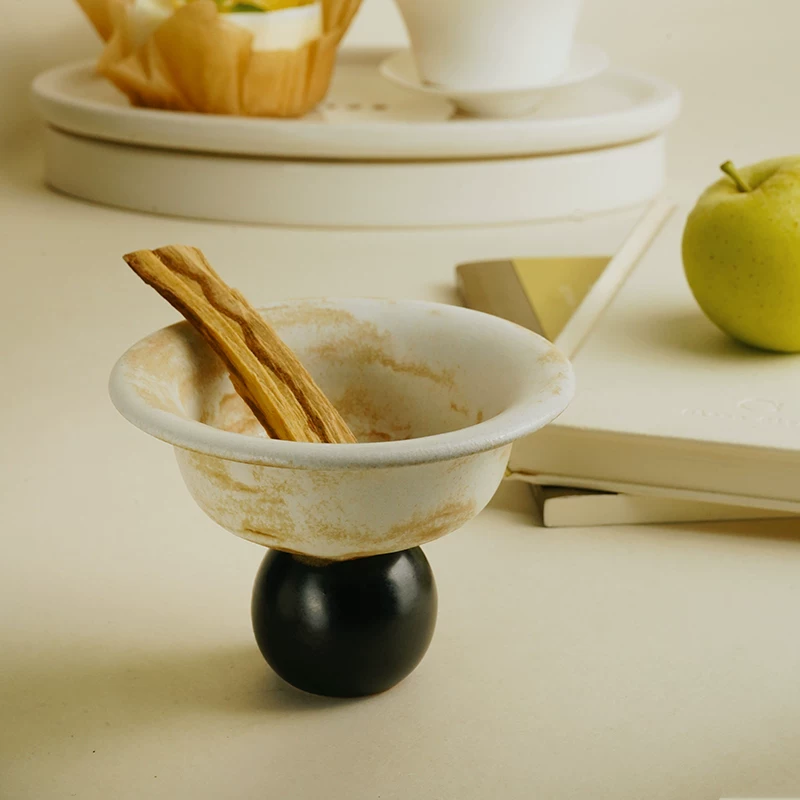
Expensive ingredients are not automatically the best ingredients for every incense formula. A refined blend needs the right material in the right position, not just the rarest material in the largest amount.
For example, agarwood products such as Hainan Agarwood Incense Sticks or Vietnam Nha Trang Agarwood Incense Sticks should be considered through aroma clarity, woody depth, release behavior, and balance rather than price language alone.
Scent judgment improves through repeated comparison. A person who has only smelled one incense style may confuse strength with quality. A person who has compared woody, floral, herbal, resinous, and green materials will notice structure more clearly.
The Natural Incense Sampler Set is useful for that reason: it lets a buyer compare families rather than treating incense as a single generic category.
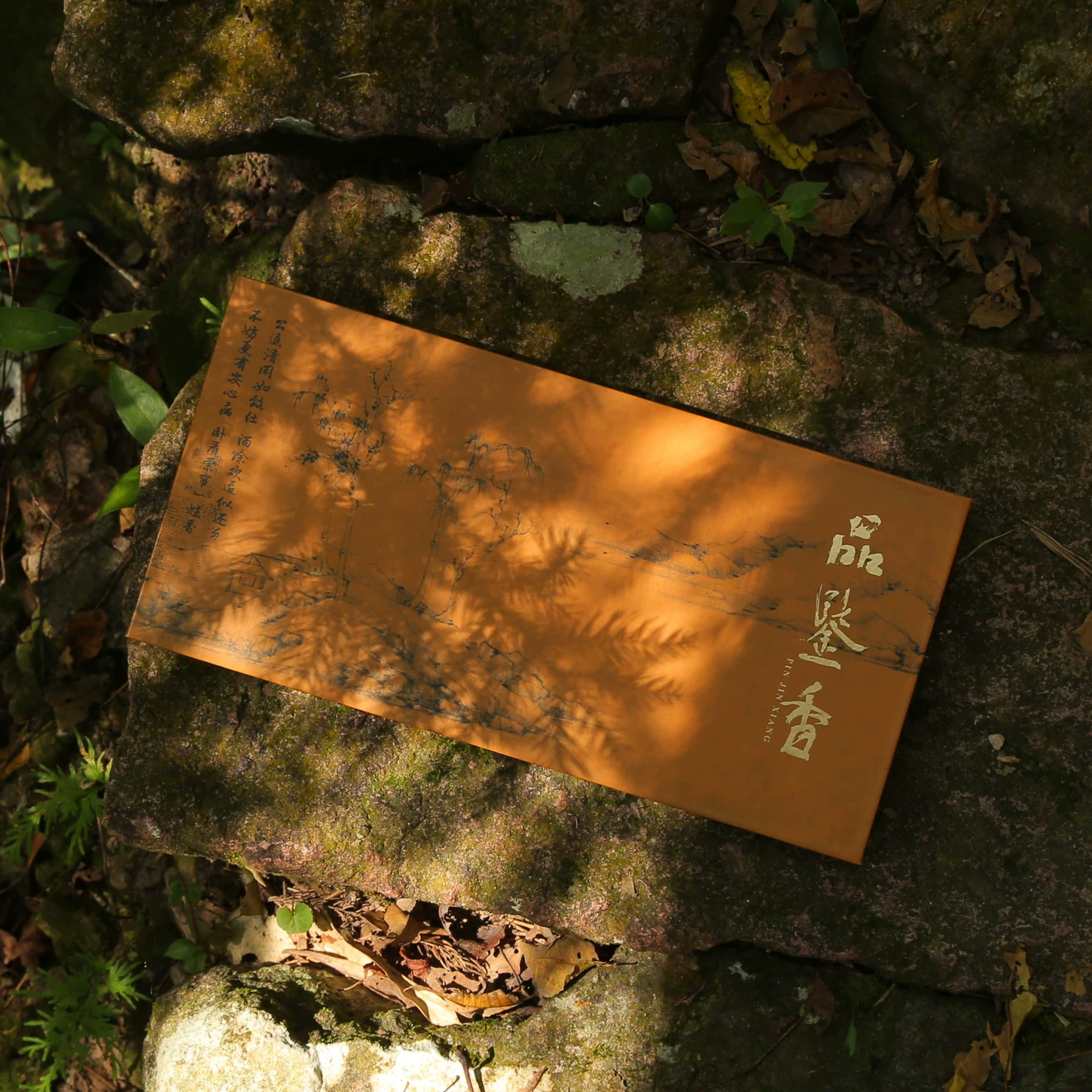
Traditional incense culture can include symbolism, ritual, and personal atmosphere, but product writing should stay grounded. It is stronger to explain material quality, blend logic, and sensory experience than to rely on medical, mystical, or absolute claims.
For a broader introduction, read The Silent Language: A Guide to Selecting and Enjoying Traditional Incense.
Start with material comparison through the Natural Incense Sampler Set, choose a focused botanical set such as the Botanical Incense Stick Gift Set, or complete the setup with the Ceramic Incense Holder & Stick Gift Set and Ceramic Incense Holder for Sticks.
Browse the full Fragrance collection for incense sticks, coils, cones, holders, and gift-ready botanical sets.