Subscribe to stay in-the-know
Enter your details to receive communications about our products and services, events, and cultural endeavours.
Rice-grain Linglong porcelain is valued for a light-through effect: small pierced openings are filled with translucent glaze, so the cup changes when it meets light.
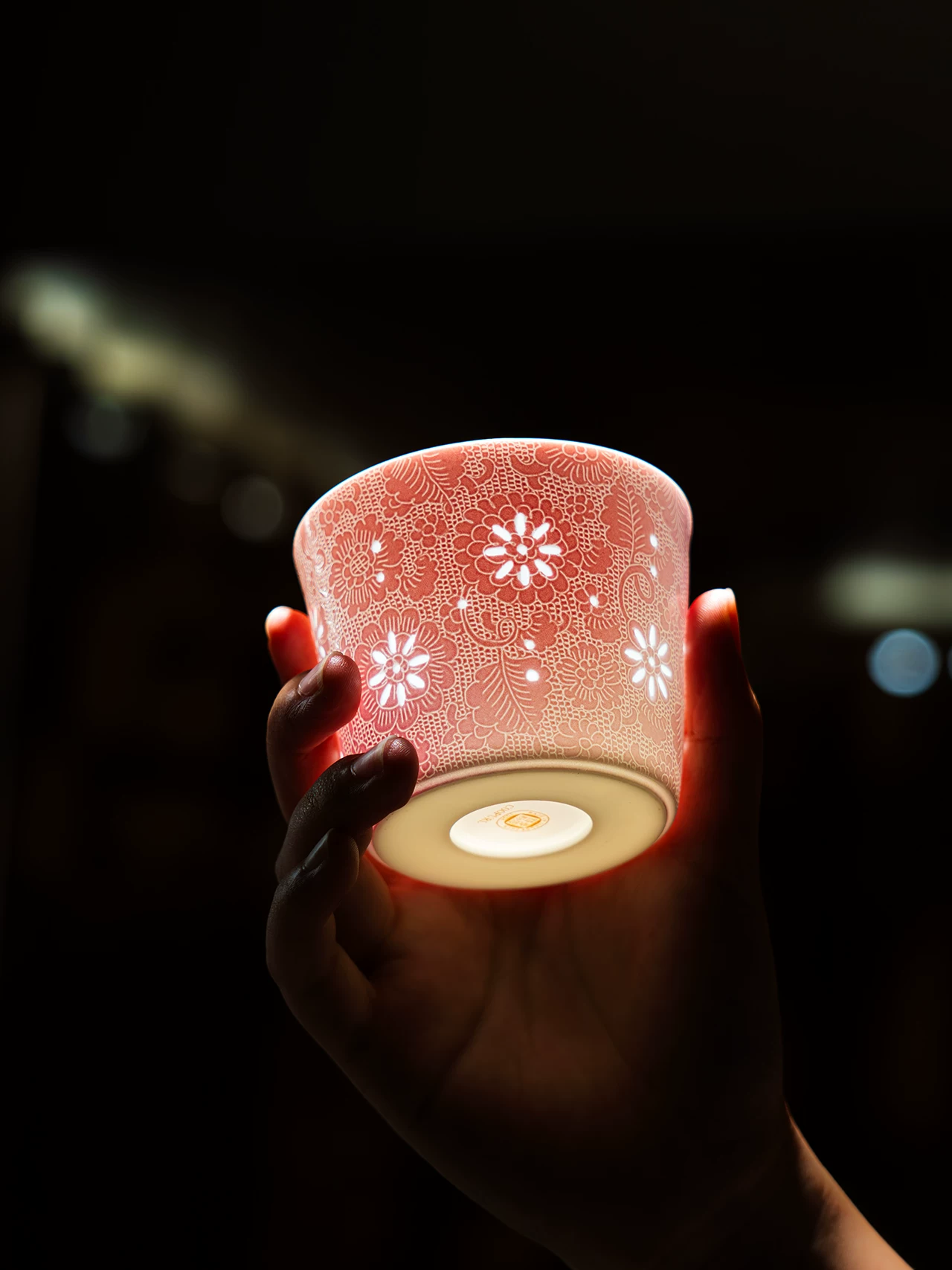
Rice-grain Linglong porcelain should be understood as a pierced-and-glazed translucent effect, not as celadon glaze or mother-of-pearl inlay.
Rice-grain porcelain is sometimes connected with the Chinese term Linglong, but the clearest way to explain it is practical: small openings are made in the porcelain body and filled by translucent glaze during firing. The result is not an inlay and not a painted motif; it is a light-through ceramic detail.
This is why the Carved Rice Grain Porcelain Coffee Mug feels different from a normal printed mug. The detail becomes visible through light, shadow, and the thinness of the ceramic surface.
Celadon is a glaze color family; rice-grain Linglong is a pierced-and-translucent effect. The two can both belong to ceramic craft, but they should not be described as the same technique.
A reference description of rice-grain porcelain notes that the porcelain body is pierced and the openings are filled with translucent glaze. See the Gotheborg glossary entry on rice-grain porcelain for a concise technical explanation.
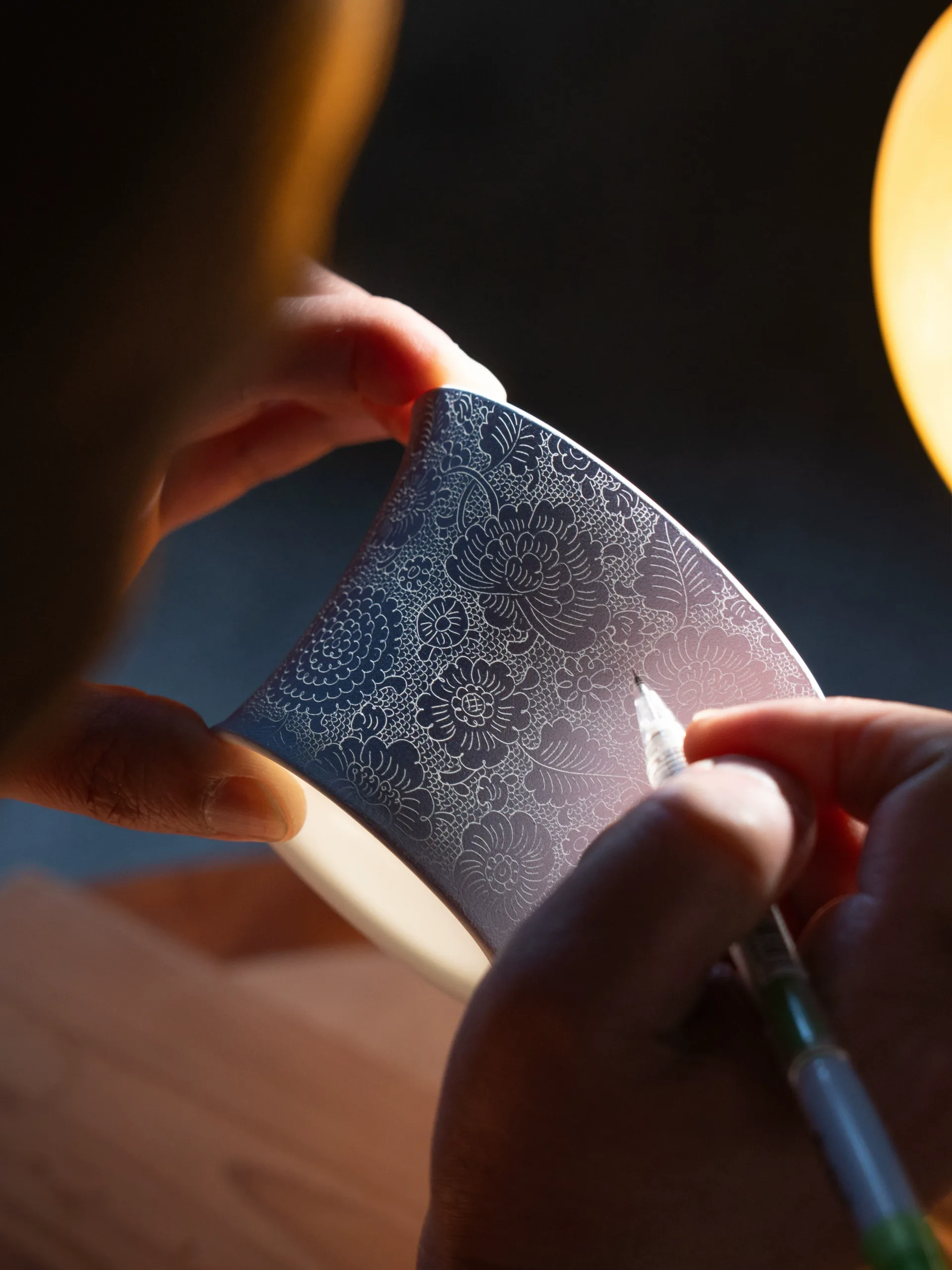
A rice-grain cup is especially effective in a quiet setting: morning tea near a window, espresso on a desk, or a small evening drink where the cup is handled slowly.
Look for clean openings, even glaze fill, and a surface that does not feel visually crowded. A good rice-grain cup should feel precise but not mechanical.
If you are comparing several cup crafts, the ceramic cup craft guide can help you decide between rice-grain porcelain, celadon glaze, mother-of-pearl inlay, carved relief, and crystalline glaze.