
Subscribe to stay in-the-know
Enter your details to receive communications about our products and services, events, and cultural endeavours.
A soap ingredient list becomes much easier to understand when you separate the cleansing system from the decorative additions.
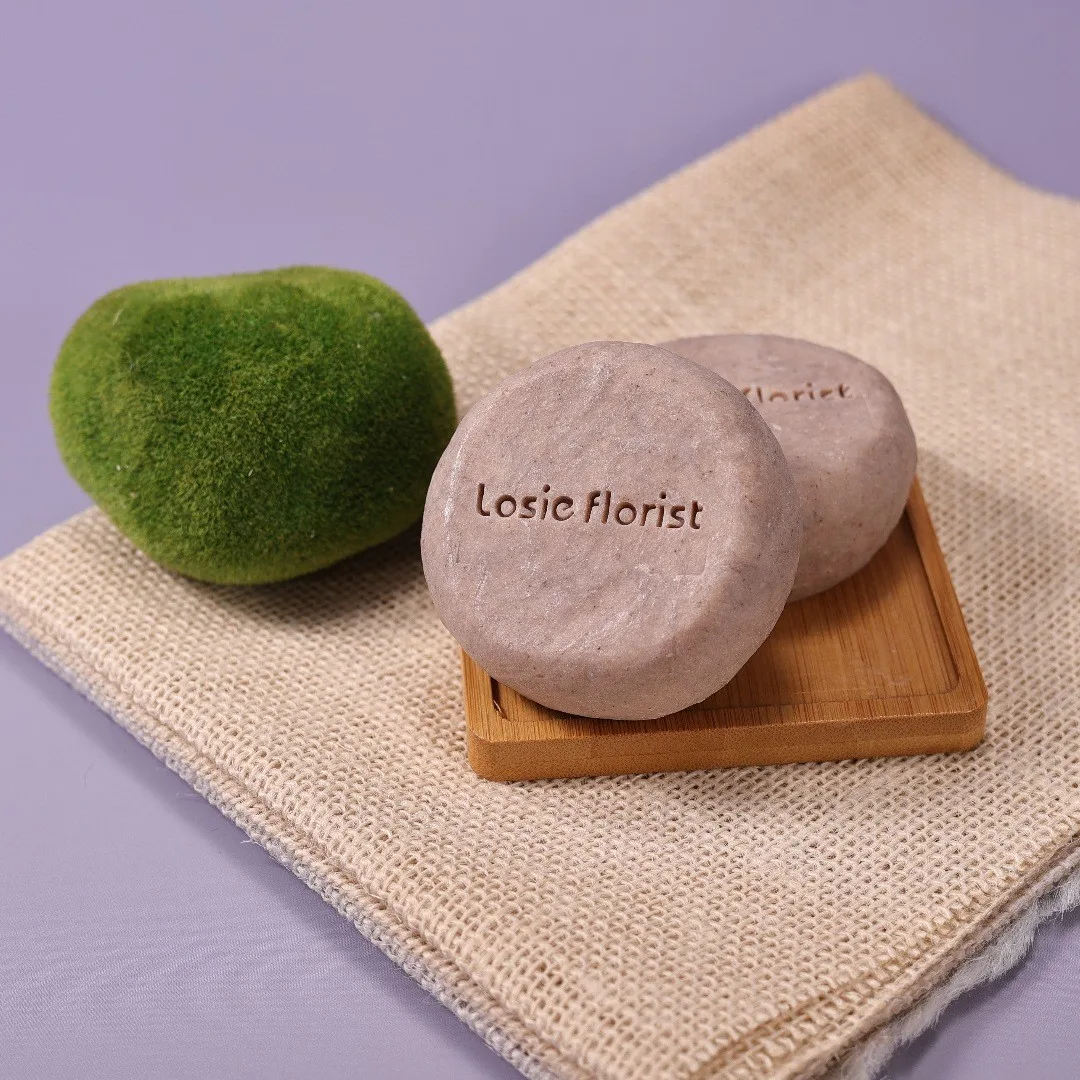
Do not judge a soap only by words like natural, herbal, or handmade. First identify the cleansing system, then check whether fragrance, essential oils, colorants, and botanical additions make sense for your skin and routine.
The first question is not whether the bar looks handmade. The first question is: what actually cleanses? This determines whether the product behaves more like a traditional soap, a composite soap-base cleanser, or an amino-acid-style solid cleanser.
Ingredient names should be understandable enough for a buyer to make a decision. FDA guidance on cosmetic ingredient names explains why ingredient identification matters for products sold to consumers.
Soap-base systems often include names such as sodium palmate, sodium palm kernelate, sodium cocoate, sodium stearate, sodium tallowate, palmitic acid, stearic acid, lauric acid, or similar fatty acid salts and fatty acids.
These ingredients are not automatically bad. They usually mean the bar may foam easily and cleanse strongly. The question is whether that strong clean finish feels comfortable for the way you use the product.
Amino-acid-style solid cleansers may include ingredients such as sodium cocoyl glycinate or other mild surfactants. Related surfactants such as sodium cocoyl isethionate or cocamidopropyl betaine may also appear in solid shampoo or gentle cleansing formats.
When you see these in a product like the Calendula and Ophiopogon Amino Shampoo Bar, read the product as a solid shampoo bar. The goal is scalp and hair cleansing, not face washing.
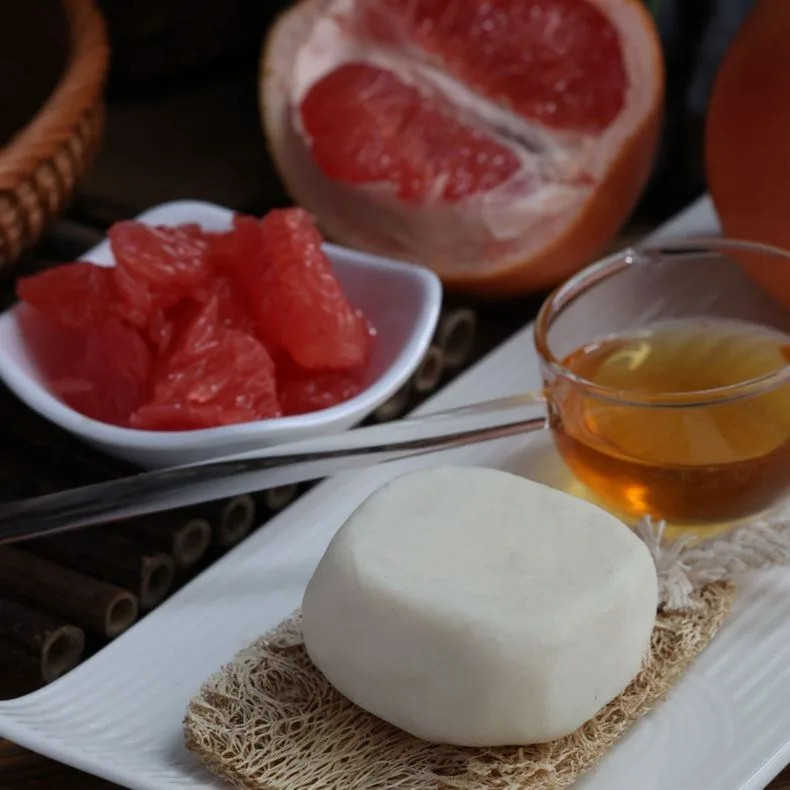
Plant oils, honey, goat milk, hydrosols, herbal powders, and botanical extracts can shape scent, color, texture, lather, and the feeling of the bar. They are part of the product experience, especially in cold process or hand-milled soap.
For example, the Lavender, Gromwell and Blueberry Cold Process Facial Soap Bar uses a botanical profile built around gromwell-infused olive oil, blueberry, lavender, and plant oils. This should be understood as a botanical cleansing ritual, not as a medical skin treatment.
Natural does not always mean automatically gentle. Essential oils, fragrance materials, citrus notes, mint, tea tree, clove, cinnamon, and other aromatic ingredients can be enjoyable, but they may also be too much for some users.
This is why we avoid saying that a scented handmade soap is suitable for everyone. For delicate or reactive skin, choose cautiously, patch test, and stop if a product feels uncomfortable.

Be careful with listings that only say “natural plant oil,” “herbal essence,” or “ancient handmade formula” without explaining the cleansing system or key ingredients. That kind of language may sound appealing, but it does not help you compare products.
FDA also cautions that cosmetic claims can create regulatory issues when they move into drug-like promises. See the FDA overview of cosmetic labeling claims. For a small artisan brand, the safer and clearer path is to describe materials, process, scent, and use experience honestly.
If you want a gentler starting point in the Ginkgoods line, compare cold process facial bars such as Seven-White Herbal and Acacia Honey Cold Process Handmade Soap Bar with shampoo bars such as Vitex Seed and Jujube Root Herbal Amino Shampoo Bar. They are designed for different routines.
Are more botanical ingredients always better? No. A longer list can create a richer story, but it can also make the product harder to evaluate, especially for sensitive users.
Is fragrance-free always required? Not for everyone. Scent can be part of a cleansing ritual, but people with dryness or sensitivity should be more cautious.
What is the biggest red flag? Vague claims without a clear ingredient list. If the product hides the cleansing system, it is harder to know what you are buying.