
Subscribe to stay in-the-know
Enter your details to receive communications about our products and services, events, and cultural endeavours.
Choosing a cleansing bar is easier when you start with the cleansing system, not the packaging claim.
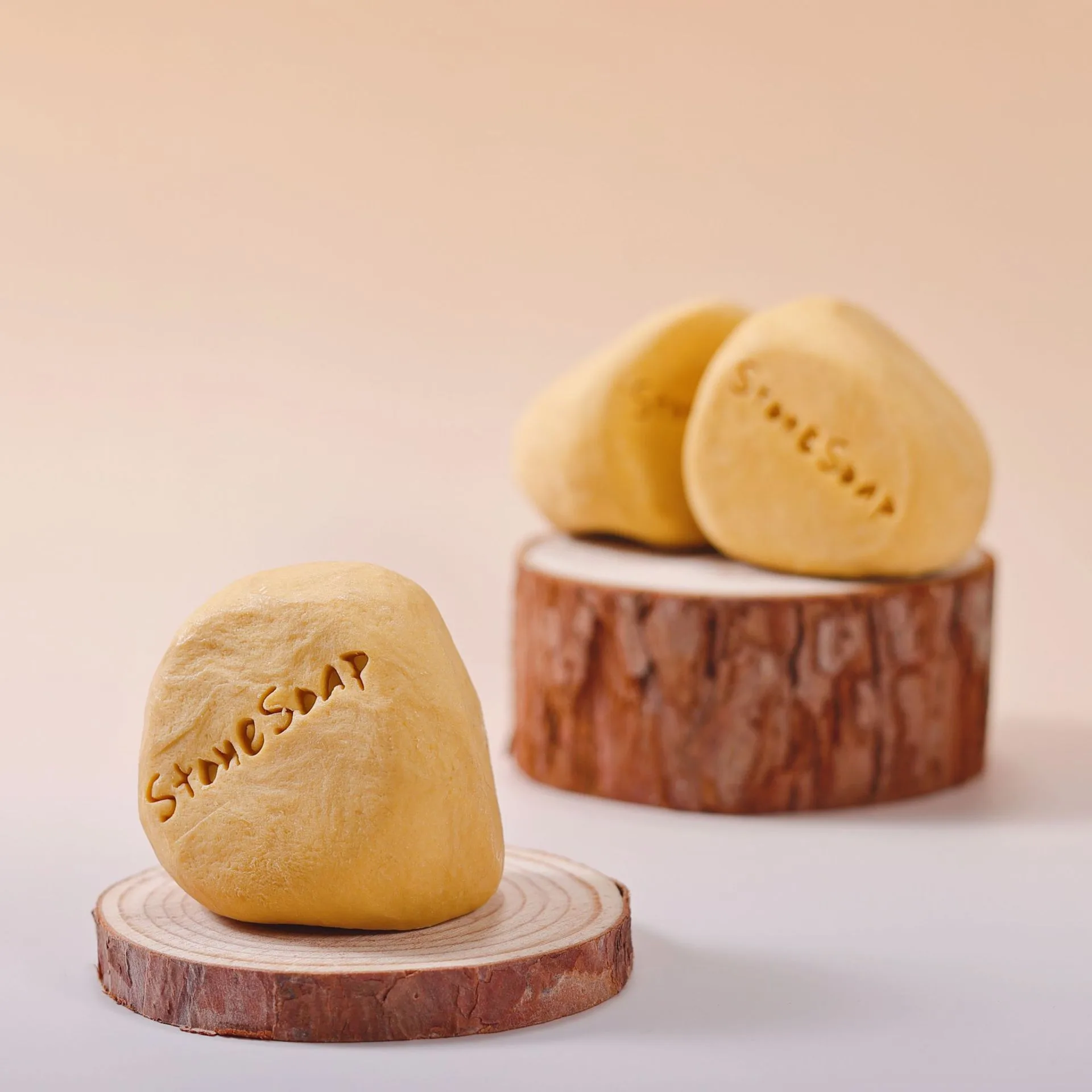
The most useful way to compare cleansing bars is not “natural versus chemical.” It is to ask what cleansing system the bar uses, how much fragrance or essential oil it includes, and whether the formula matches your daily routine.
The phrase “handmade soap” can describe very different products. A regular soap-base bar, a cold process facial soap, an amino acid shampoo bar, and a hand-milled bar may all be solid cleansing bars, but they do not feel the same in use.
The FDA notes that whether a product is treated as soap, cosmetic, or drug depends partly on composition and intended use. For buyers, the practical lesson is simpler: look past the name on the front and read what the product is actually designed to do. You can see the FDA context in its soap FAQ.
Many inexpensive bar soaps are built around fatty acid salts such as sodium palmate, sodium stearate, sodium cocoate, or similar soap-base ingredients. They can cleanse well, foam quickly, and leave a very clean finish.
That strong clean feeling is not always what everyone wants. If a bar leaves the skin feeling tight, squeaky, or overly stripped, the cleansing system may simply be too strong for the way you use it.
Cold process soap is made through slow saponification of oils and alkali, followed by curing. The appeal is not a miracle effect. It is the way the finished bar can carry plant oils, naturally formed glycerin, scent direction, and a more tactile handmade texture.
In the Ginkgoods Beauty and Care collection, cold process bars such as the Peony and Silk Protein Cold Process Facial Soap Bar, Honey Yuzu Hydrating Cold Process Facial Soap Bar, Roselle, Aged Tangerine Peel and Rosewood Facial Soap Bar, and Calendula, Silk Protein and Honey Cold Process Face and Body Soap Bar are positioned as daily cleansing rituals, not medical treatment.
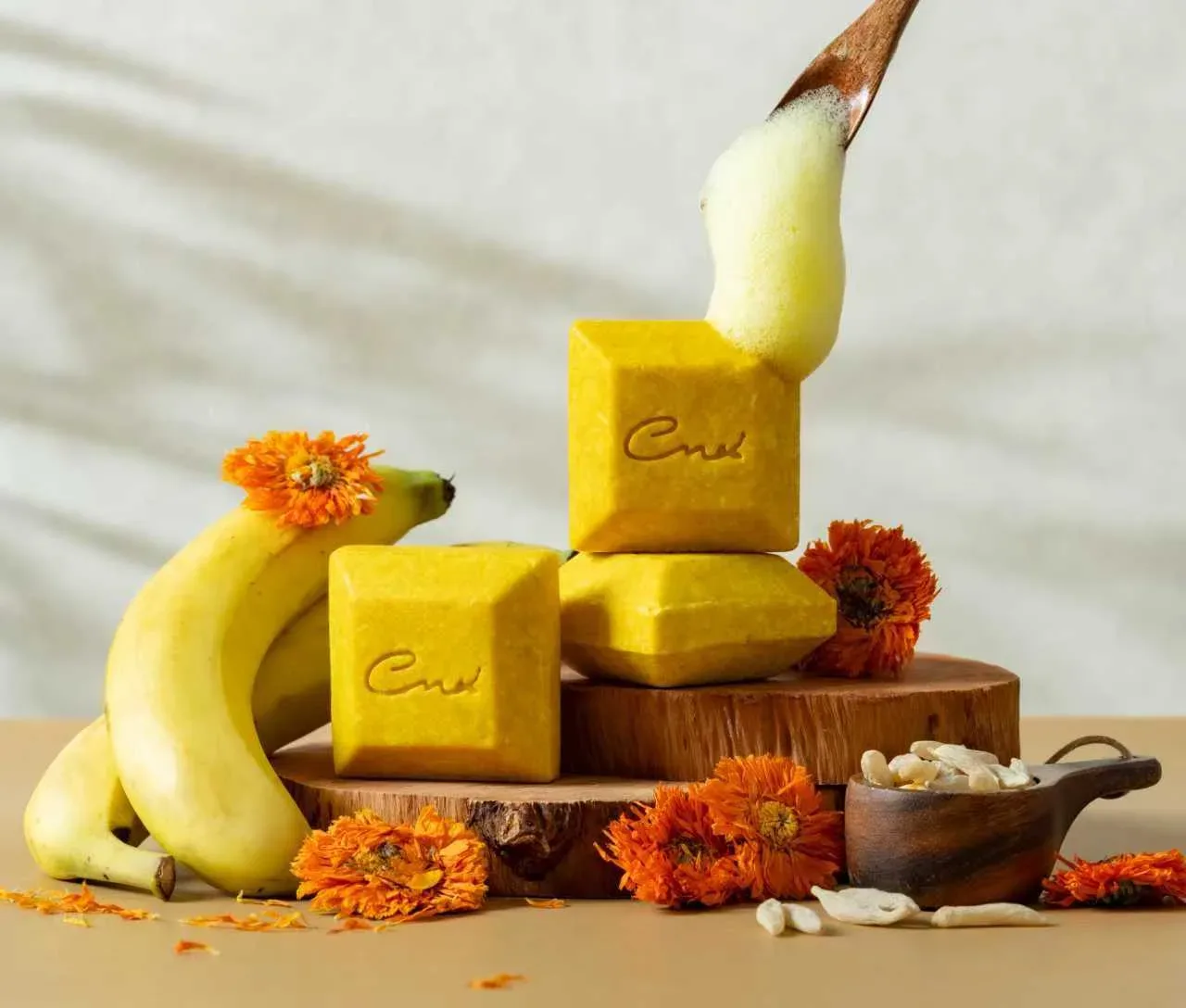
Amino acid bars usually rely on amino-acid-based surfactants or related mild cleansing agents rather than a traditional soap-base-only system. The use case is different: they are often designed for people who want a gentler-feeling solid cleanser, especially in hair or scalp routines.
That is why the Calendula and Ophiopogon Amino Shampoo Bar and Vitex Seed and Jujube Root Herbal Amino Shampoo Bar should be treated as shampoo bars, not facial soaps. They belong in a hair routine and need to be rinsed thoroughly like any shampoo.
Hand-milled soap begins with an already cured soap base. The maker grates or cuts the mature soap, blends it again with a small amount of hydrosol, floral water, honey, oatmeal, botanical powder, milk, or essential oil, then kneads, presses, molds, and dries it a second time.
This does not turn soap into a leave-on treatment. Its value is texture and use experience: a denser bar, finer lather, better integration of added materials, and a softer-feeling cleansing ritual.
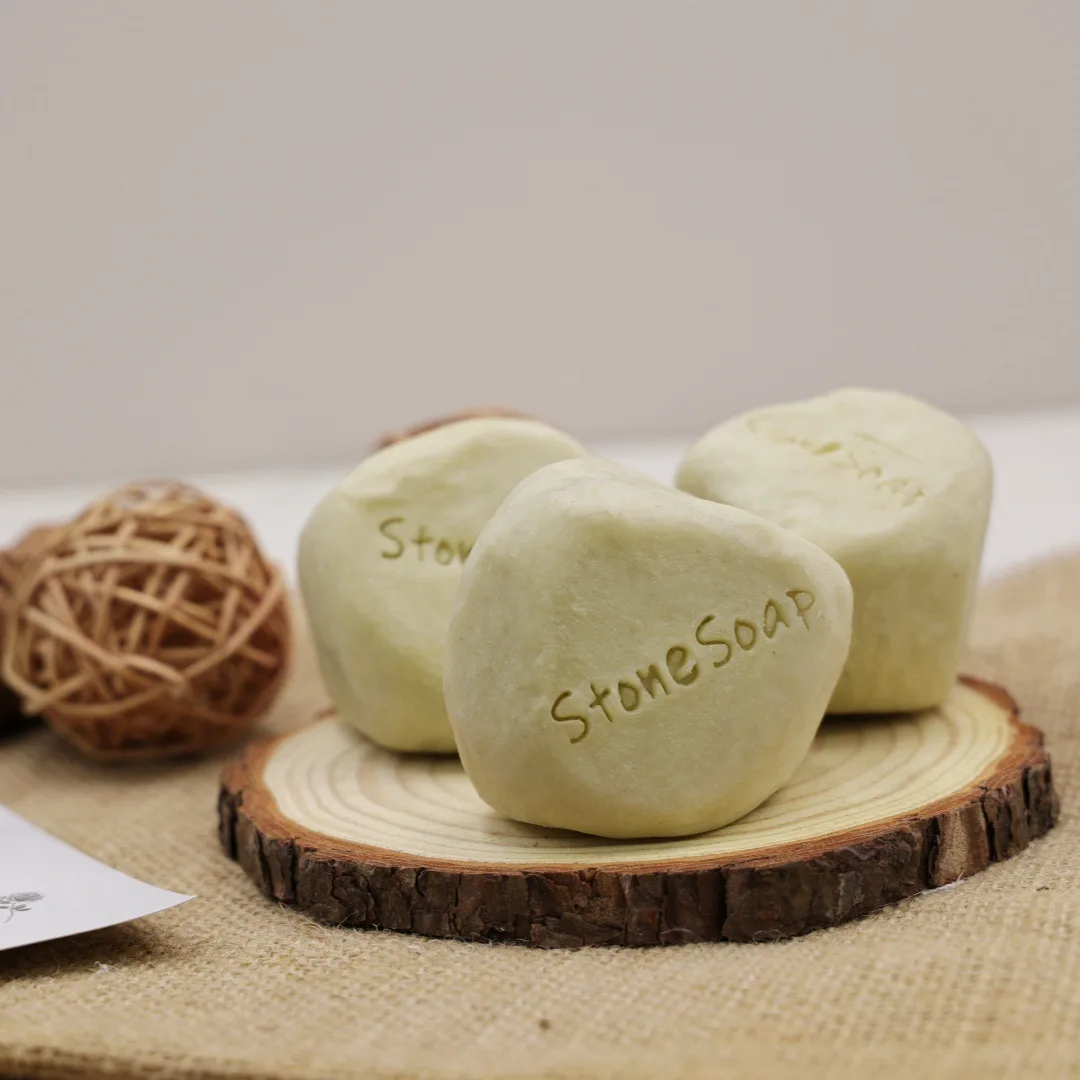
The American Academy of Dermatology recommends gentle, fragrance-free approaches for dry skin routines. That does not mean every scented handmade soap is wrong, but it does mean sensitive users should patch test and avoid pushing through discomfort. See the AAD’s dry skin care guidance for broader context.
Is cold process soap always better than regular soap? Not always. Cold process soap may feel more crafted and less industrial, but the best choice still depends on your skin feel, frequency of use, scent tolerance, and how the bar is stored.
Can amino acid shampoo bars be used on the face? We do not position our amino acid shampoo bars as facial cleansers. They are written and categorized as shampoo bars for hair and scalp cleansing routines.
Does hand-milled soap moisturize the skin? It may feel softer and less stripping than a harsh bar, but it is still a rinse-off cleanser. Use a separate moisturizer if your skin needs more comfort after washing.