Subscribe to stay in-the-know
Enter your details to receive communications about our products and services, events, and cultural endeavours.
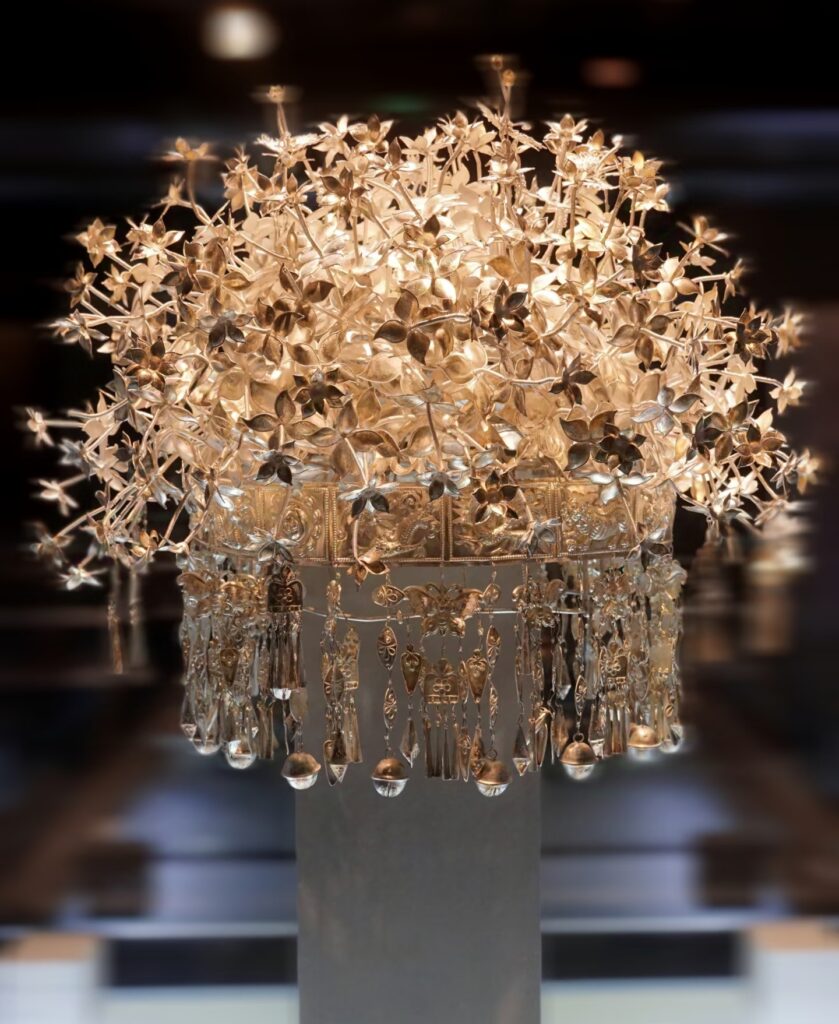
Handmade variation can make crafted objects feel more human because it preserves material behavior, maker judgment, and subtle process.
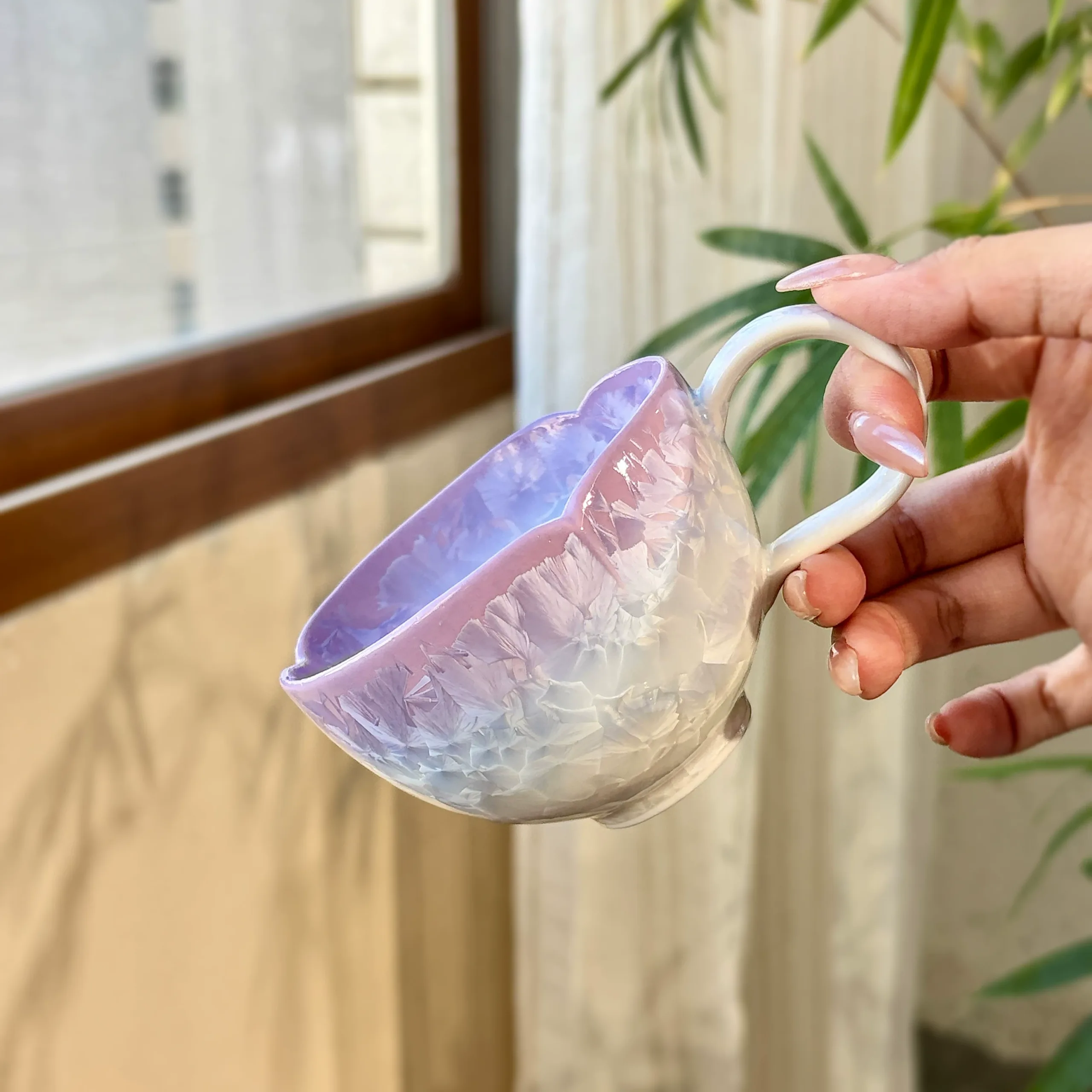
Handmade variation feels human because it preserves the relationship between material, maker, and process instead of erasing every trace of difference.
Industrial uniformity is useful. It makes objects predictable, repeatable, and easy to compare. But when every detail is flattened, the object can lose the feeling of process.
Handmade variation does not mean careless making. It means that the process allows material behavior and human judgment to remain visible.
A slight shift in glaze bloom, woven tension, natural stone tone, or dyed cloth depth may show that the surface was not simply printed or molded into sameness.
In craft categories such as Zen Living and Decor, variation often explains why two pieces feel related but not identical.
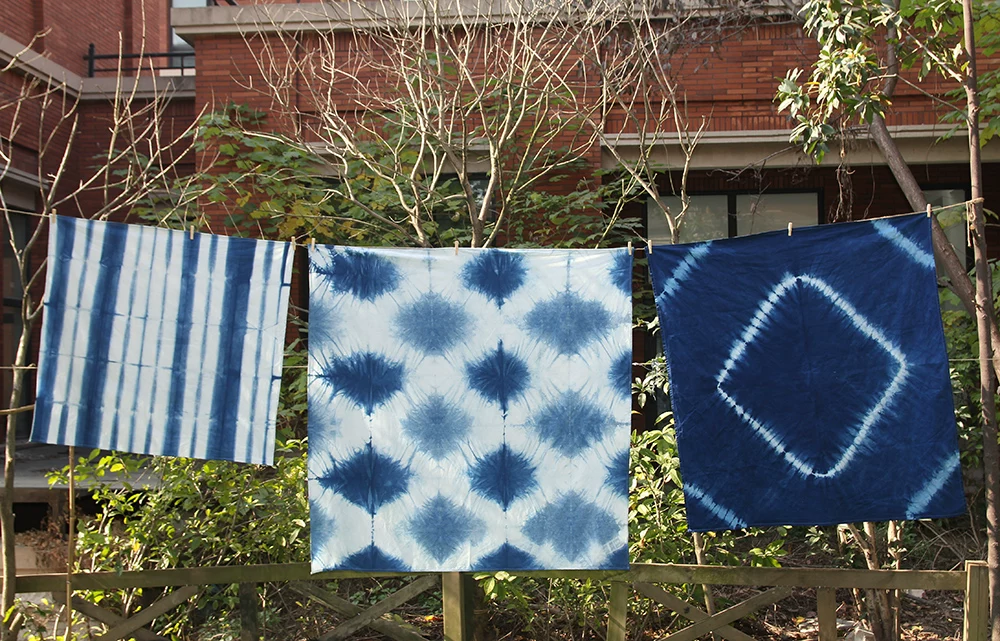
Not every difference is desirable. A defect affects function, structure, or basic quality. Variation is different: it is a natural range within a sound object.
People often feel closer to objects that show evidence of being made. The object does not have to be rustic or rough. Even refined craft can keep a subtle trace of risk, timing, and touch.
That trace makes the object easier to live with because it feels less sterile and more companionable.
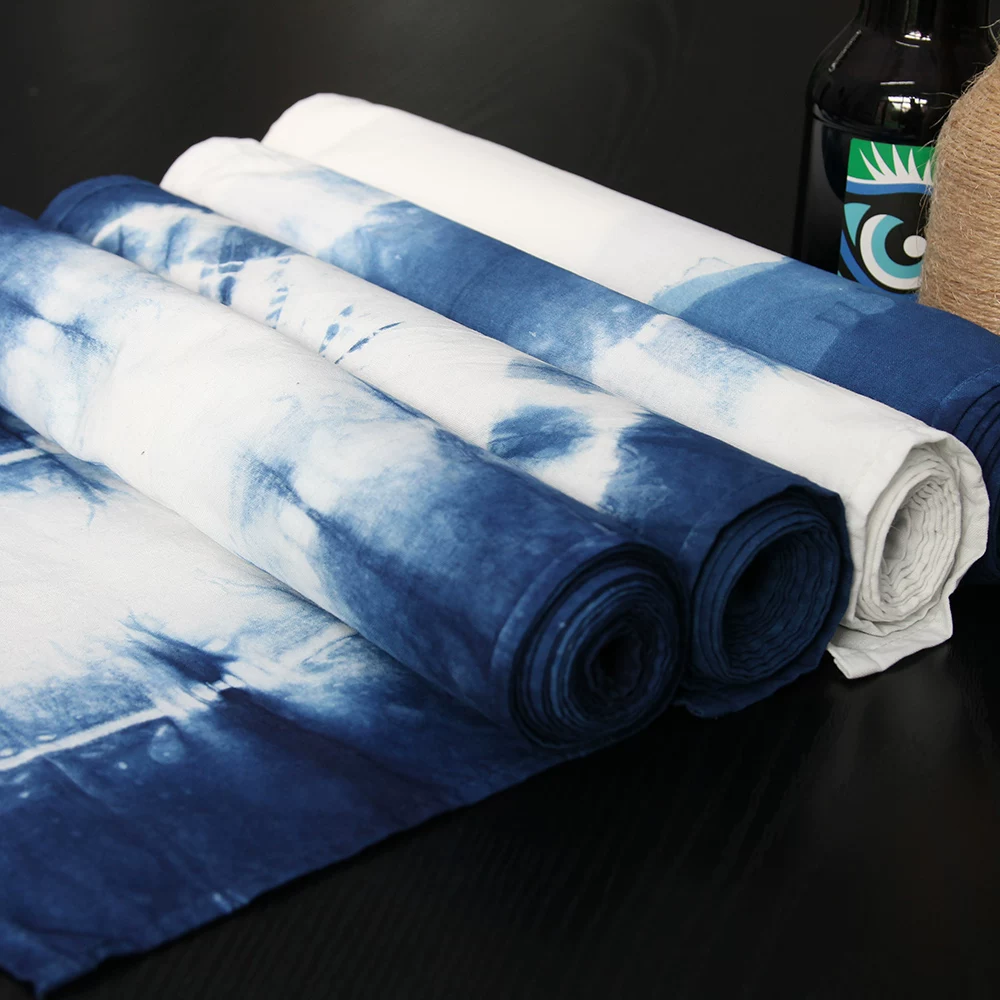
The best way to understand handmade variation is to use the object. A cup, textile, bracelet, or incense tool becomes less about comparison and more about relationship.
Over time, the very detail that made the object different may become the reason it feels like yours.
Handmade variation should be understood as a natural range within sound craft, not as a flaw when function and quality remain intact. Related reading: natural crystal vs glass beads and objects with process.
For wider reference, see UNESCO context on intangible cultural heritage.