Subscribe to stay in-the-know
Enter your details to receive communications about our products and services, events, and cultural endeavours.
A Ginkgoods reflection on tea dyeing, natural color, traditional craft, and a gentler way to make everyday bags.
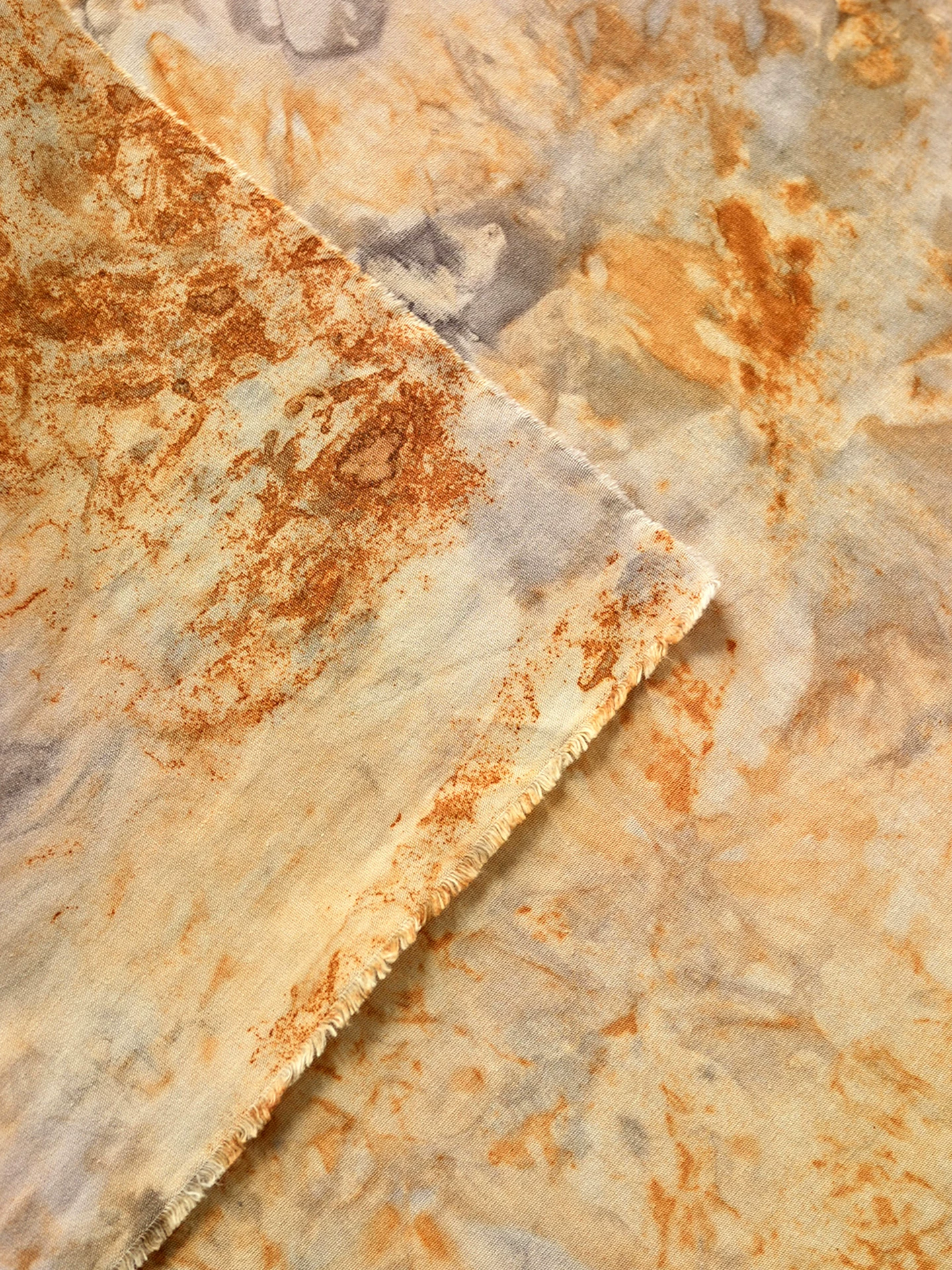
Key idea: Tea dyeing is more than an environmental claim. It is a traditional way of drawing color from natural materials, and of giving everyday objects a gentler relationship with the body and the earth.
We advocate clothing and accessory products made with fewer added chemical agents. These agents include extracted colorants, dyes, fixing agents, and similar substances.
Respect for nature has always been one of our consistent brand ideas. We value daily objects made through more natural methods, and we look for products whose materials and processes can stand closer to that principle.
Around the question of what kind of product can truly be called natural, how to make sure it is natural, and whether it is friendly to both users and the environment, we search for answers from more than one direction.
Tea dyeing is an inspiration we gained while looking for the modern continuation of traditional Chinese craft. It is an ancient dyeing technique that was widely used in history to color natural clothing materials such as kudzu fiber, hemp, and silk.
Before modern chemical dyeing processes appeared, tea dyeing was one of the common ways Chinese people gave color to fabric. Its basic materials are different kinds of tea, including green tea, black tea, oolong tea, and others.
Because different teas have different degrees of fermentation, the depth, tone, and durability of the color on fabric can also change. The extraction of these natural colors is itself very environmentally gentle.
The simplest method is water extraction: soaking tea leaves in water to obtain tea liquor. This step has almost no meaningful impact on the environment. After the fabric is colored, the fixing stages can also use materials drawn from nature, such as natural plant ash and lime.
The whole craft uses natural raw materials. It relies on the inherent qualities of plants and minerals, and on the way they interact with one another, to create different effects throughout the process.
The aim is to come as close as possible to a finished product that is low in pollution and high in quality. After being tempered by a thousand years of time, tea dyeing has become a mature craft. Today, it can adjust certain steps according to modern aesthetic preferences and color needs, creating more natural tones while remaining friendlier to the environment and gentler to the user’s skin.
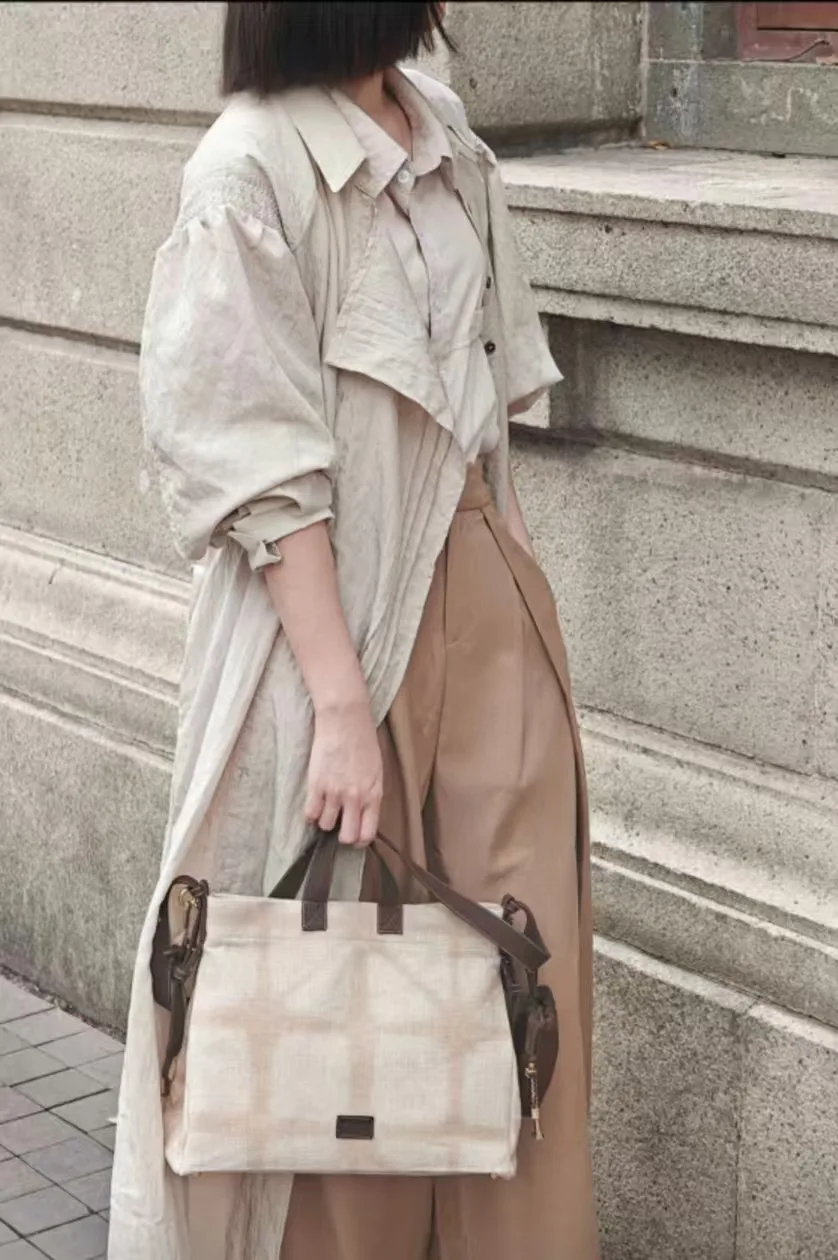
The Ginkgoods tea-dyed bag series is made on the basis of traditional tea dyeing craft. From the main material of the bag to dyeing, color fixing, accessory selection, and final finishing, every stage is carefully controlled.
We do this in order to capture that natural color of tea, and to give our users one more choice, and then one more again: a choice that is useful, more environmentally friendly, more sustainable, and more personal.
Tea dyeing is not only eco-friendly. It is natural.
Related collection: Tea-dyed bags and woven totes, where natural color and everyday usefulness meet in a quieter form.