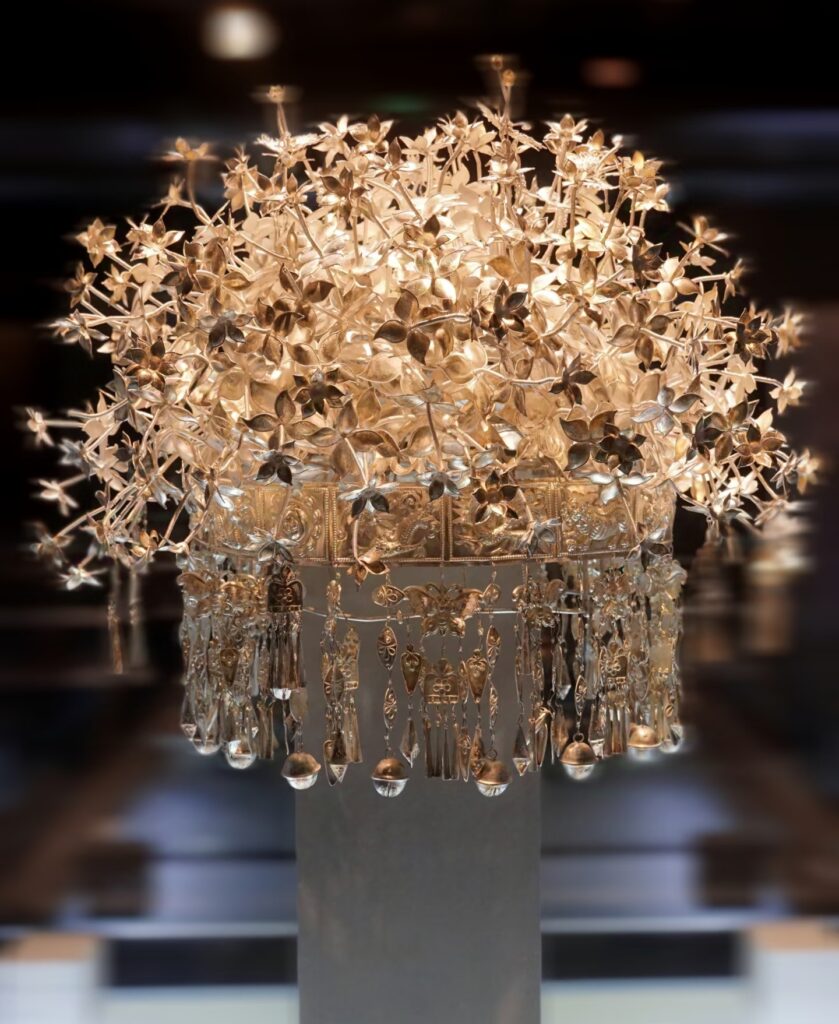
Subscribe to stay in-the-know
Enter your details to receive communications about our products and services, events, and cultural endeavours.
Cultural inspiration becomes meaningful when it respects material, context, and use. Without that, it easily becomes a souvenir gesture.
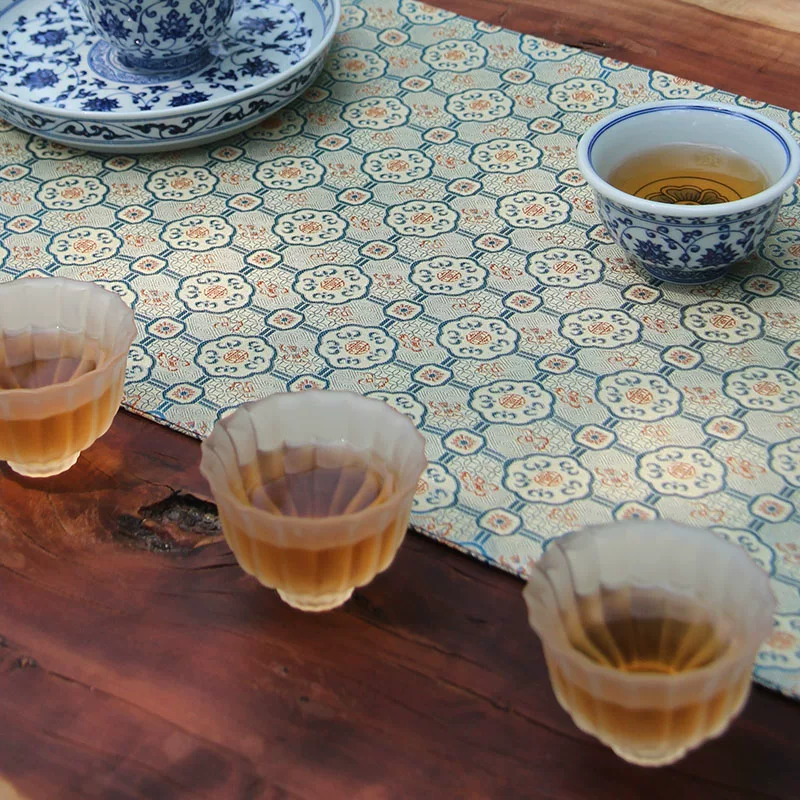
The difference between cultural inspiration and souvenir design is context: whether the object carries material understanding, restraint, and real use beyond visual reference.
Cultural design becomes weak when it borrows only the most obvious symbols. A motif is placed on an object, but the material, function, and context remain disconnected. The result may be recognizable, but it often feels shallow.
Souvenir design usually depends on instant recognition. Thoughtful craft asks for a slower reading: why this material, why this process, why this form, and why this object now?
A tea-dyed bag, a woven textile, or a ceramic glaze can carry cultural inspiration through process rather than decoration alone. The culture is not only in the image; it is in how color is made, how surface is built, and how the object is meant to be used.
This is especially important for a brand centered on heritage craft in modern life. Pieces in the Bags and Decor collections should feel usable first, culturally resonant second.
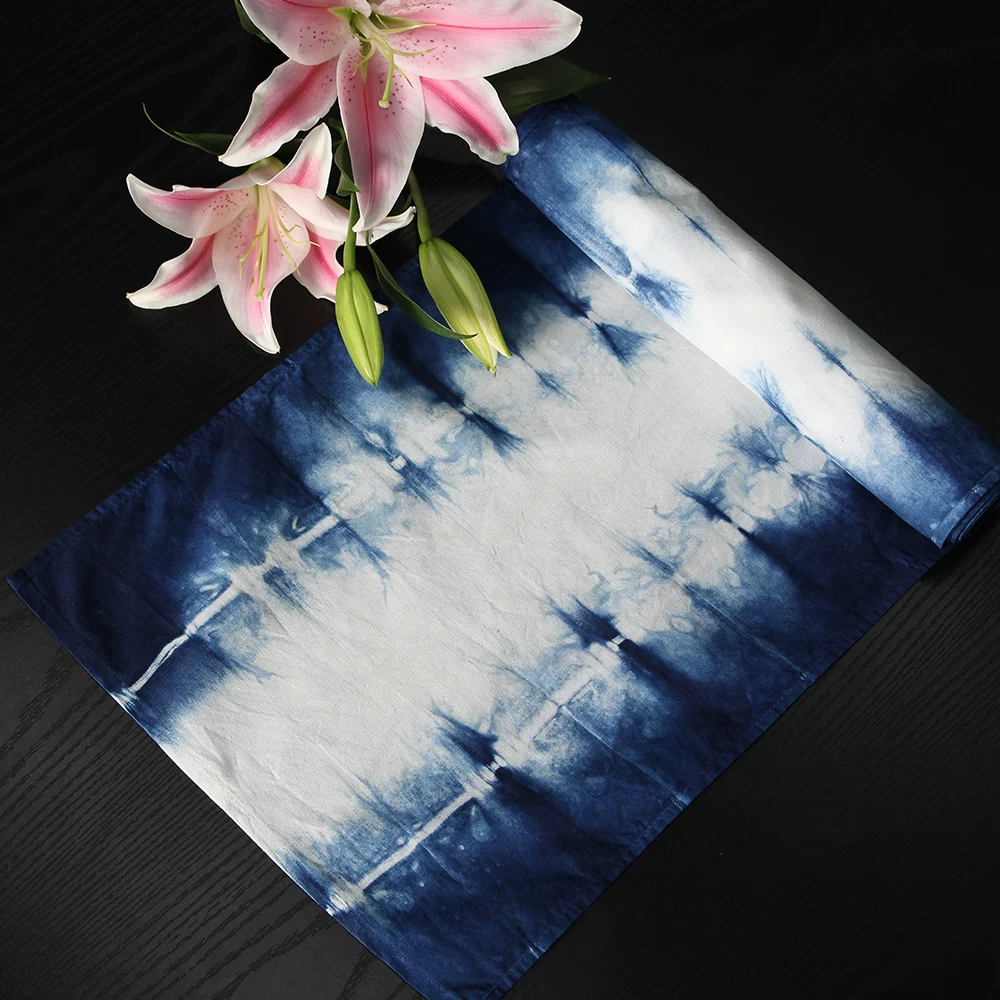
Objects inspired by culture do not need to announce every reference loudly. In fact, too much symbolism can make a design feel less refined. A stronger approach is to let material and form carry the story.
A thoughtful object usually has a clear reason for its choices. The material supports the function. The pattern fits the scale. The cultural reference does not make the object harder to use.
A souvenir-style object often depends on recognizability alone. It may look cultural at first glance, but it does not become more interesting with daily use.
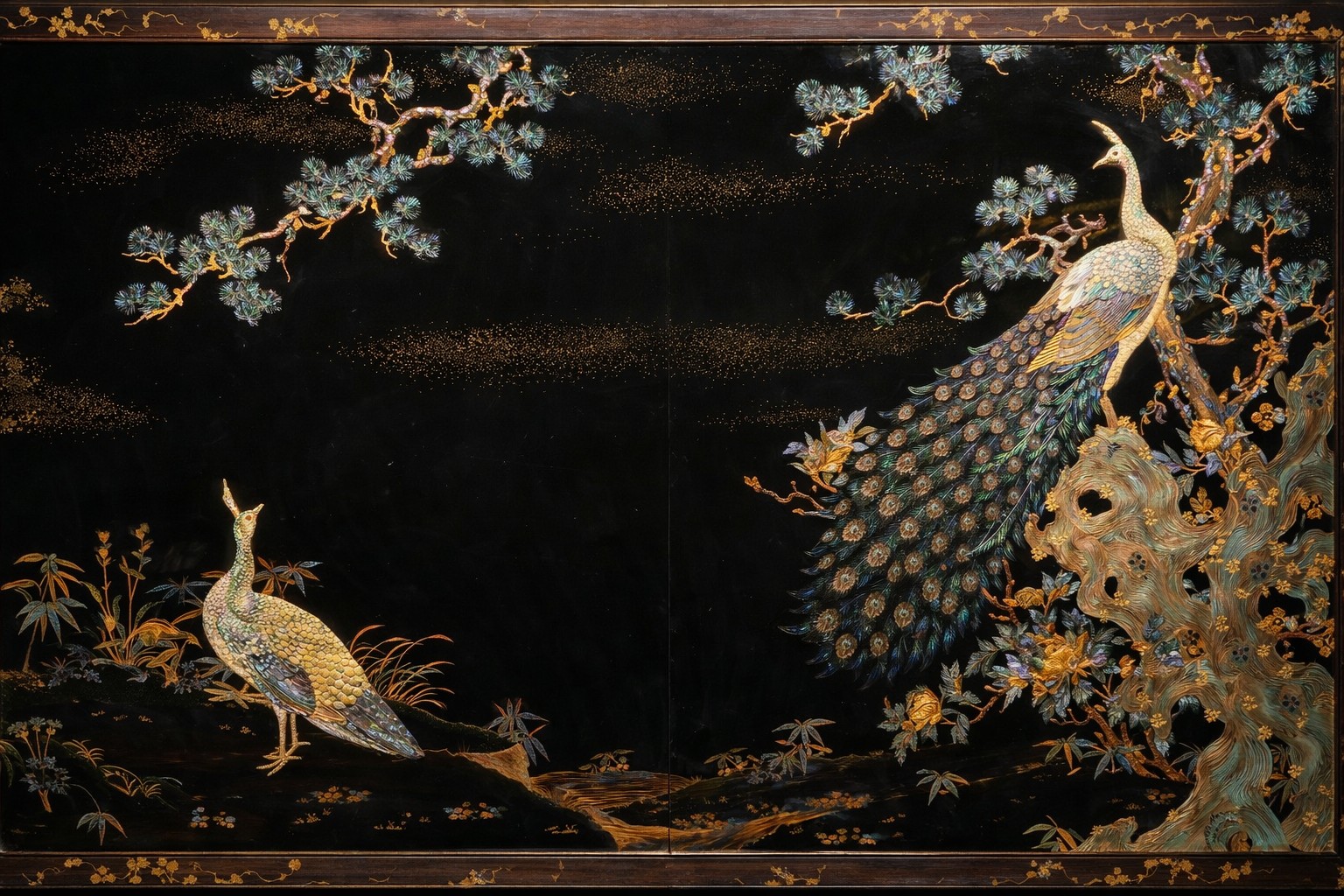
The strongest cultural objects do not ask a home to become a stage. They enter quietly: a table runner under a vase, a cup used in the morning, a bracelet worn with modern clothing.
That is where cultural inspiration becomes contemporary. It is no longer a theme; it is a way of living with process, material, and memory.
Cultural inspiration should make an object more thoughtful, not reduce a tradition to a surface symbol. Related reading: buy cultural craft online with context and traditional craft in modern homes.
For wider reference, see UNESCO context on intangible cultural heritage.