
Subscribe to stay in-the-know
Enter your details to receive communications about our products and services, events, and cultural endeavours.
Hand-milled soap is best understood as a second round of refinement for an already mature soap bar.
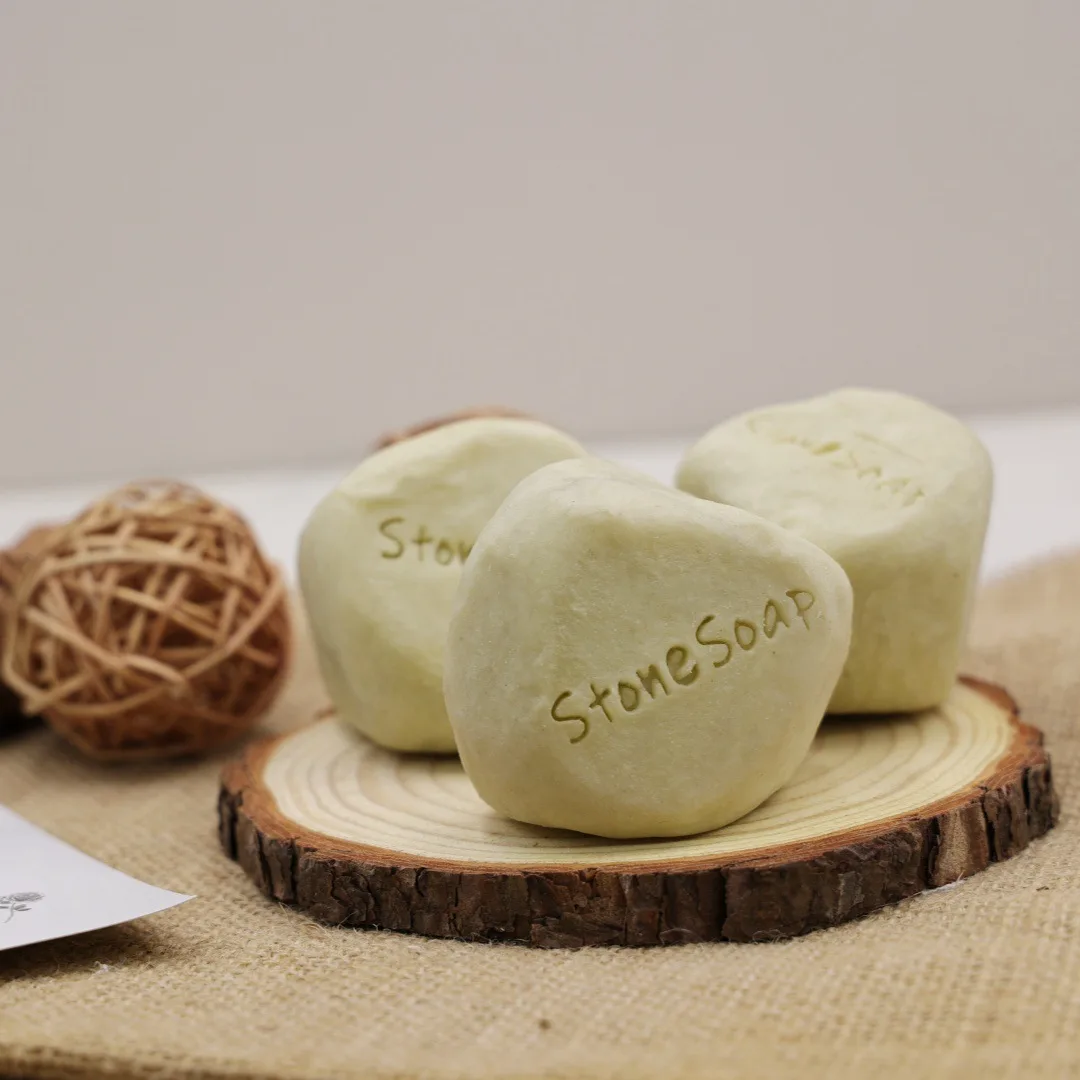
Hand-milled soap is not magic and it is not a medicine. Its value is craft refinement: mature soap is reworked, blended, pressed, and dried again so the finished bar can feel denser, smoother, and more carefully finished.
Hand-milled soap is made by taking soap that has already completed saponification and curing, then reworking it by hand. The maker shaves, grates, or cuts the cured soap into small pieces before blending it again.
A small amount of hydrosol, floral water, honey, milk, oatmeal, botanical powder, or essential oil may be added during this second stage. The mixture is kneaded, pressed into molds, and dried again so the bar becomes firm and cohesive.
The second working stage changes the physical feel of the bar. Repeated kneading and pressing can create a tighter structure, smoother surface, and denser handle. In use, the lather may feel finer and more cushioned.
This is why a product such as the Peony and Silk Protein Cold Process Facial Soap Bar can be written around texture and ritual rather than dramatic skin promises. The appeal is the hand-refined cleansing experience.
One reason makers like hand-milling is that delicate additions can be blended after the original soap has matured. Floral waters, honey, oatmeal, plant powders, and scent materials can be folded into the bar more evenly.
The correct expectation is use experience: scent, color, feel, lather, and a more considered handmade surface. These additions should not be described as curing skin problems or replacing a leave-on skincare product.
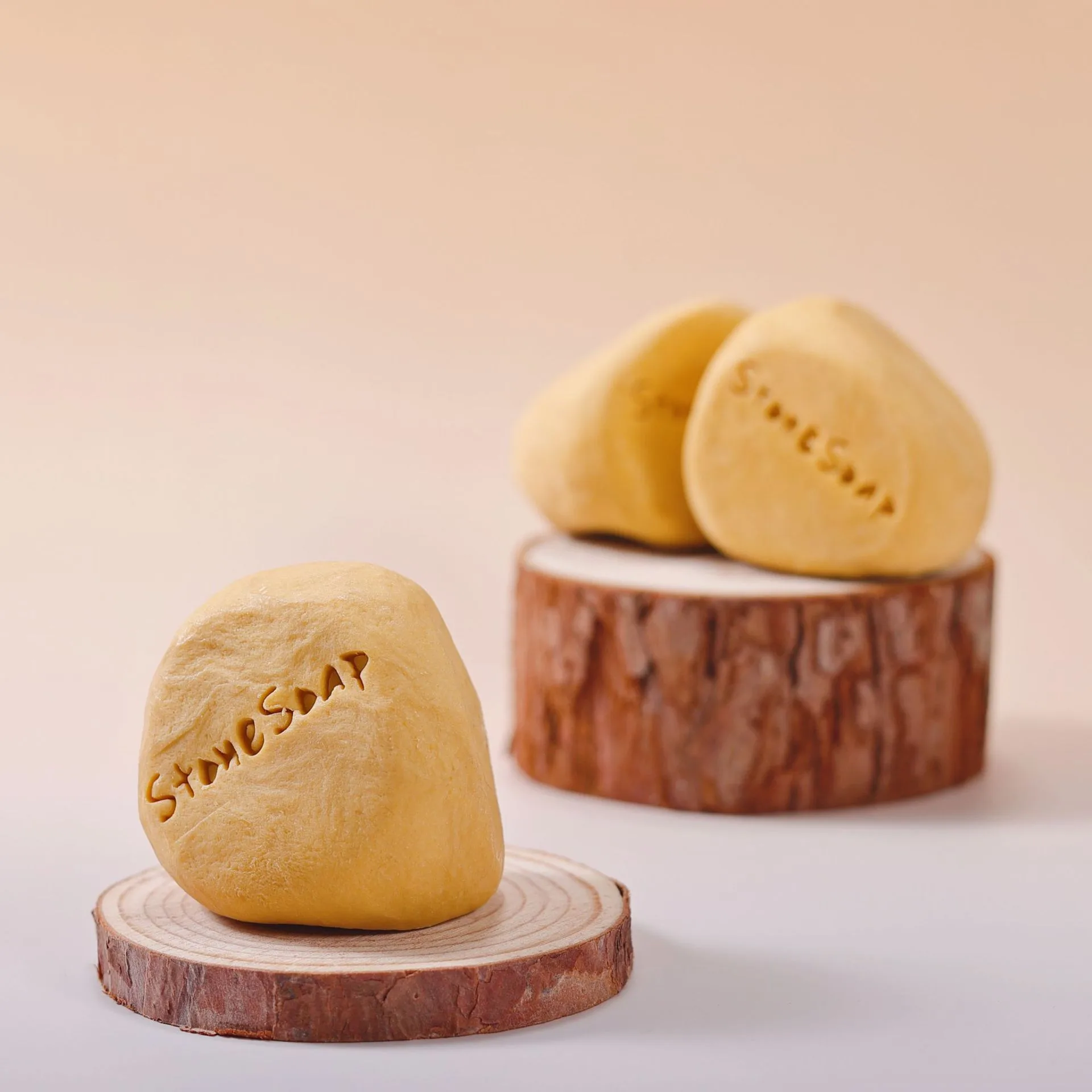
Cold process soap describes the original making method: oils and alkali react slowly, then the soap cures. Hand-milling describes a later refinement stage: the mature soap is worked again, blended, pressed, and dried.
A cold process bar can be excellent without being hand-milled. A hand-milled bar can feel more polished because of the second working stage. The better question is not which label sounds more impressive, but which texture and routine you prefer.
A more accurate claim is that hand-milled soap can offer a finer, softer-feeling, more handmade cleansing experience when the formula and storage are handled well.
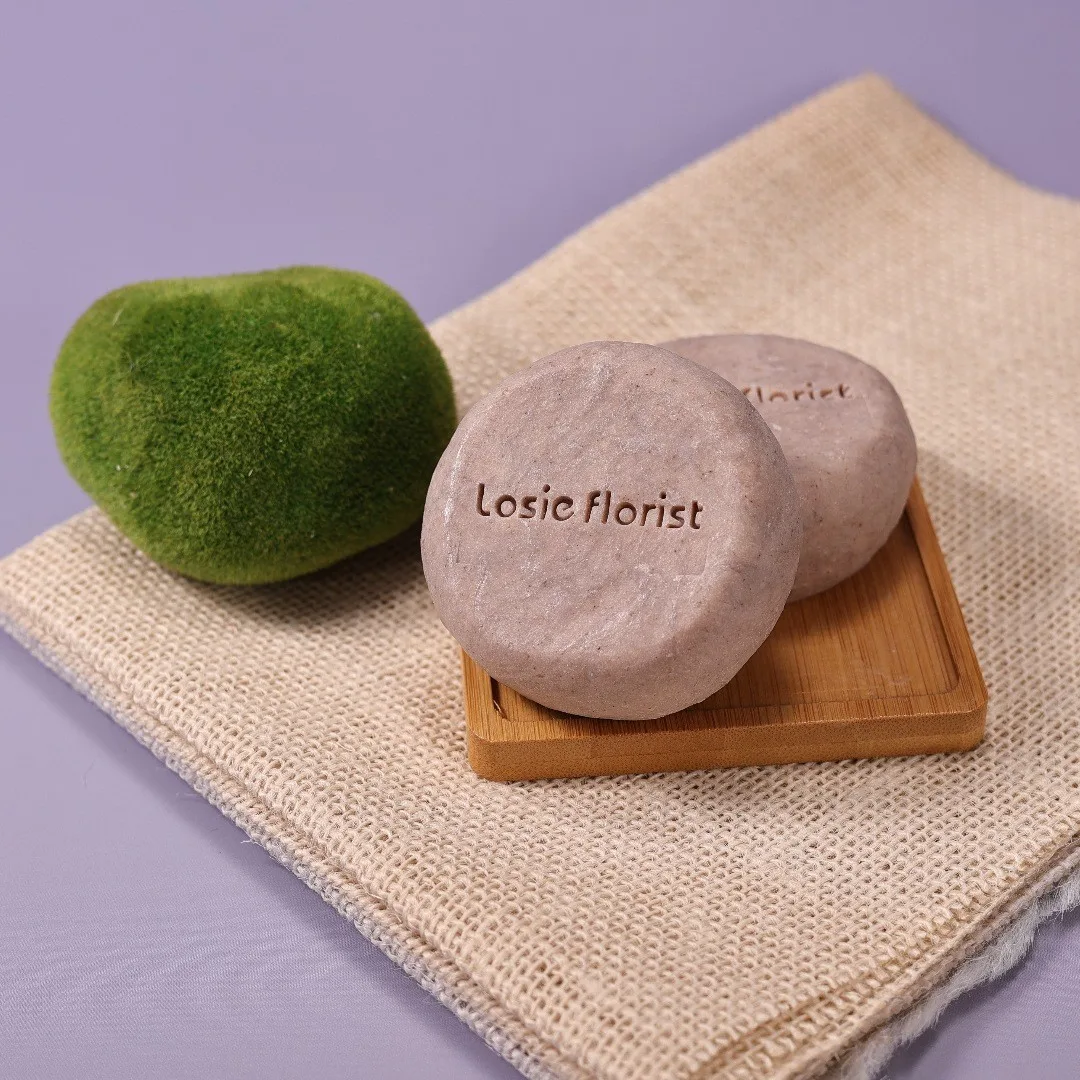
Hand-milled soap is a good fit for people who care about texture, lather quality, botanical scent, and the feeling of an object made in smaller batches. It is especially attractive if you dislike an overly harsh or industrial bar feel.
If you are building a calm face and body routine, start with the Beauty and Care collection, then compare hand-refined facial bars with amino acid shampoo bars so each product is used in the right place.
Is hand-milled soap the same as triple-milled soap? Not exactly. Triple-milled soap usually refers to an industrial milling process. Hand-milled soap emphasizes small-batch reworking, kneading, pressing, and drying.
Does hand-milled soap last longer? A denser, well-dried bar may last well when stored properly, but bathroom humidity and drainage matter. Keep it out of standing water.
Is hand-milled soap good for sensitive skin? It can feel softer, but sensitivity depends on the full formula, fragrance load, and individual tolerance. Patch test if you are unsure.