Subscribe to stay in-the-know
Enter your details to receive communications about our products and services, events, and cultural endeavours.
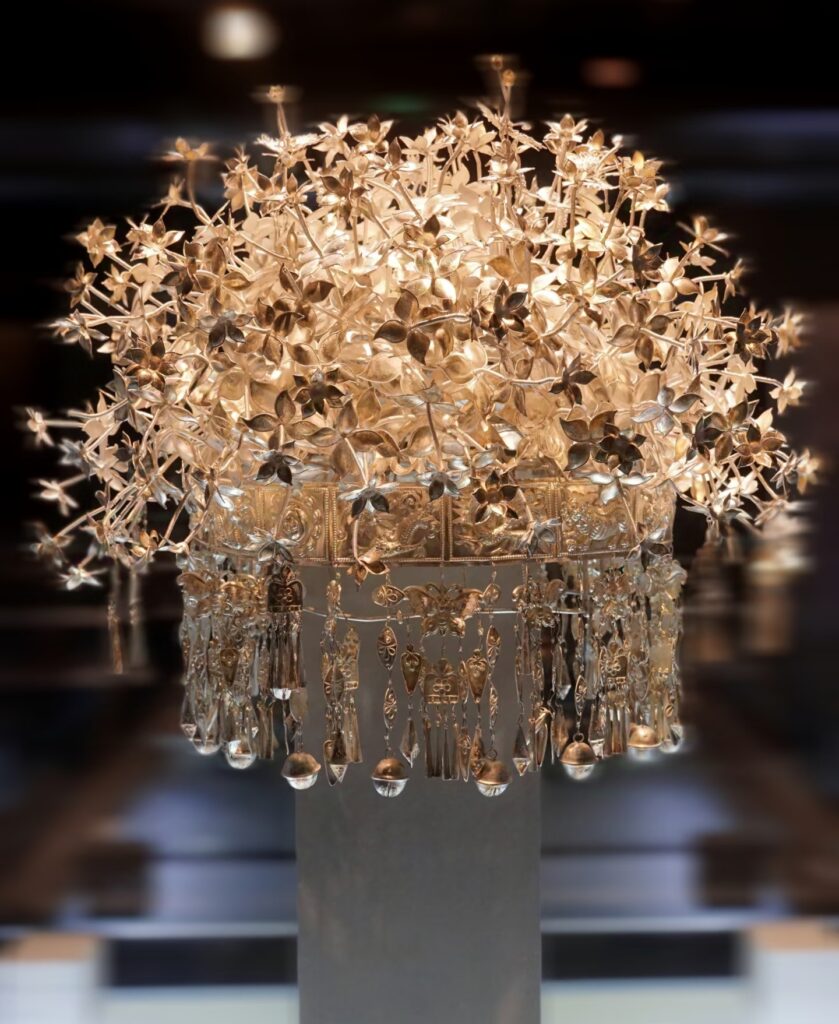
Objects with process feel different because they show material behavior, making decisions, surface depth, and time rather than decoration alone.
Objects with process feel different because they carry decisions, material behavior, and time; they do more than occupy space.
Decoration is part of how homes become personal. The problem begins when objects only fill visual gaps. They may complete a shelf, but they do not add depth.
Objects with process are different because they invite questions: how was this made, why does the surface look this way, and what does it ask me to notice?
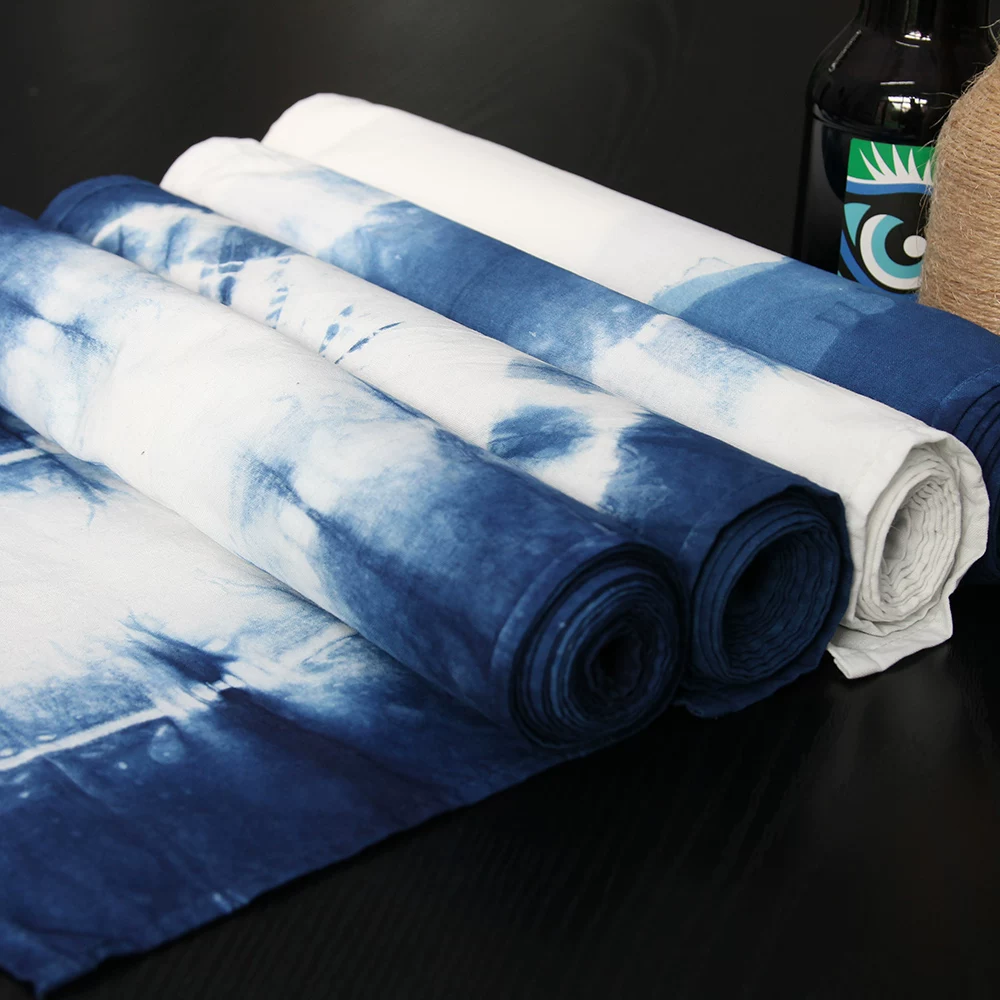
A hand-dyed cloth carries color differently from a printed imitation. A ceramic glaze records firing. A woven surface holds structure. An incense object becomes complete through use.
This is why process-led pieces belong naturally in Decor and Fragrance. They shape atmosphere through more than appearance.
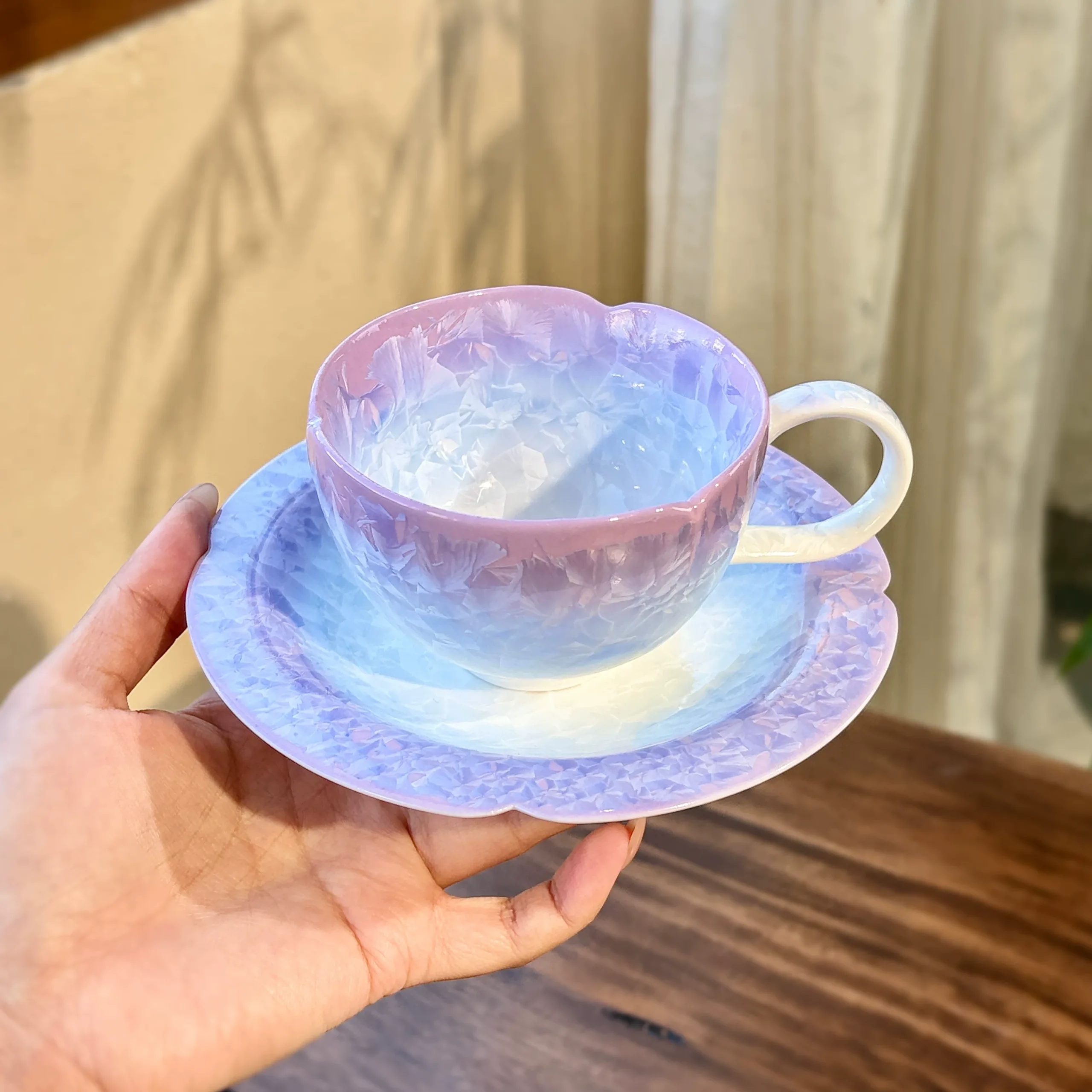
Look for evidence that the material and method are connected. If the surface could be applied to any object without changing its meaning, the process may be shallow.
A room filled with objects that have no process can feel staged. One or two process-rich objects can make the same room feel grounded.
They add quiet density. The eye can rest, return, and find something it did not notice the first time.
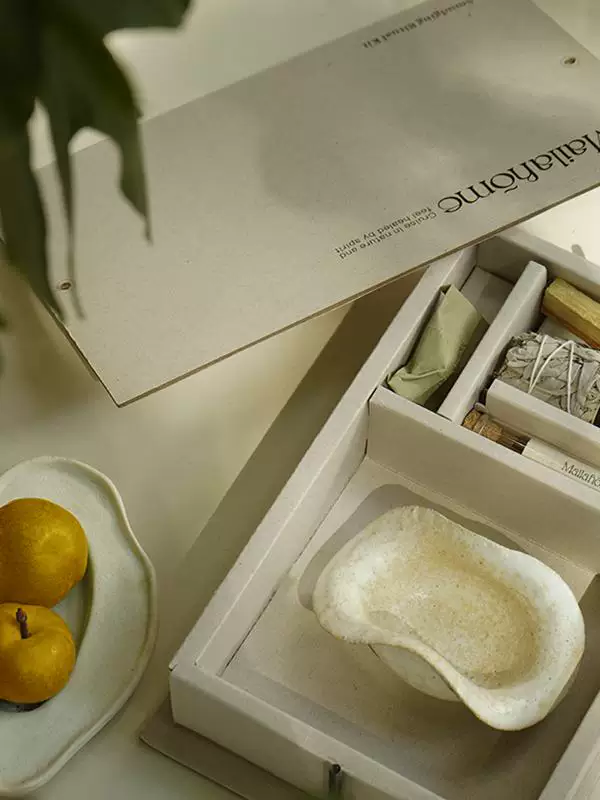
The goal is not to collect more craft. It is to choose objects that carry enough process to justify their presence.
When an object has process, it can hold space without needing to be loud.
Objects with process can hold attention in a room because they carry material history, not just visual styling. Related reading: quiet luxury Chinese craft and object worth keeping.
For wider reference, see UNESCO context on intangible cultural heritage.
Related reading: handmade variation.