Subscribe to stay in-the-know
Enter your details to receive communications about our products and services, events, and cultural endeavours.
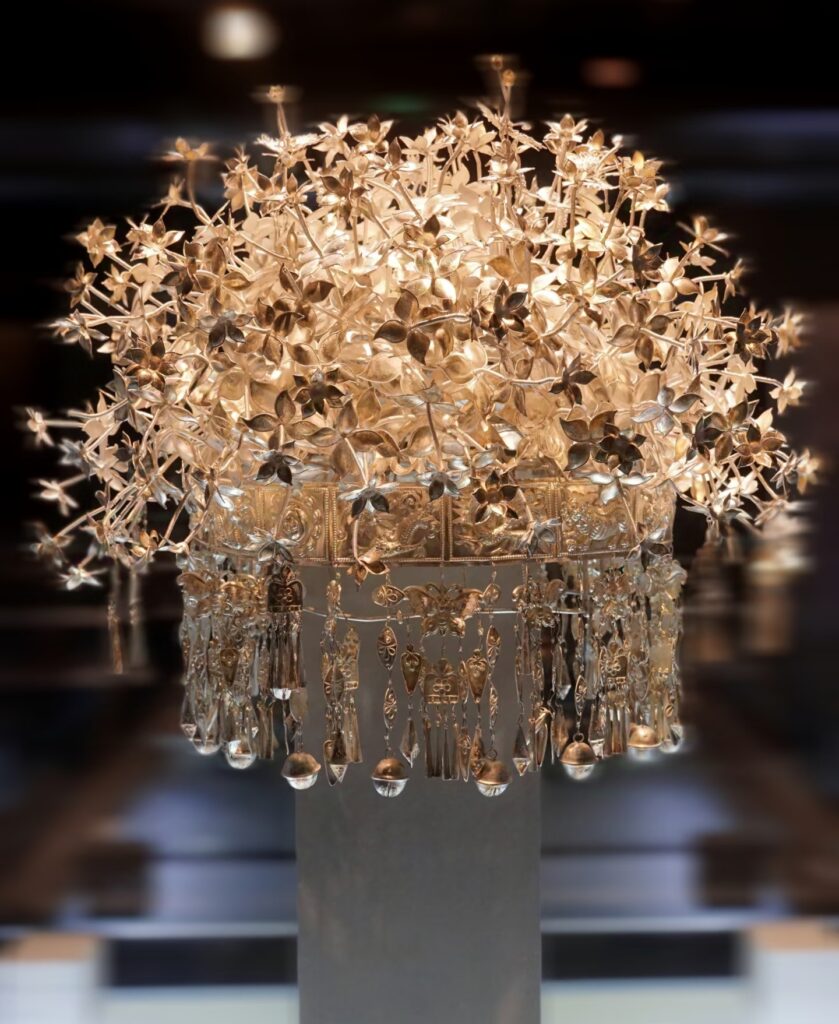
Heritage workshops can enter contemporary design when material knowledge, skilled making, and useful daily forms are allowed to meet.
The future of heritage craft depends on making objects that respect workshop knowledge while becoming useful, wearable, or livable today.
A workshop tradition is not only a set of patterns. It is a system of knowledge: how material behaves, how tools are handled, where mistakes happen, and when a maker decides that a piece is complete.
When heritage is treated only as visual style, that system disappears.
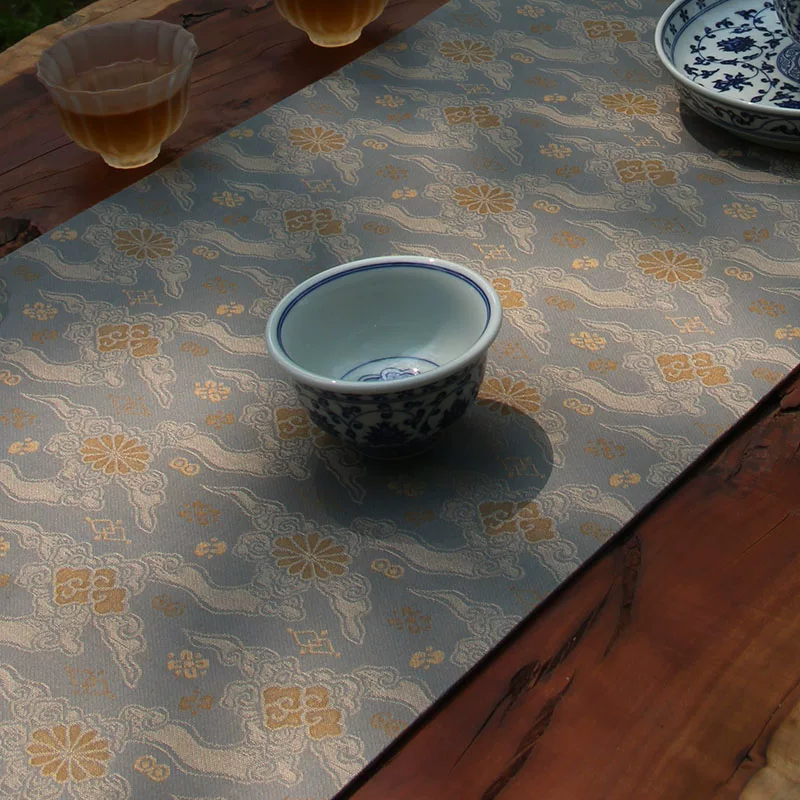
Contemporary design can help craft enter daily life by asking practical questions. Can this textile live on a modern table? Can this dye process become a bag? Can this cup shape work for coffee as well as tea?
This is the kind of bridge Ginkgoods looks for across Bags, Decor, and Zen Living.
To respect craft does not mean every object must remain unchanged. A tradition that cannot meet daily life risks becoming distant.
Use is what keeps craft close. A table runner used at dinner, a hand-dyed bag carried outside, or a cup used at a desk keeps workshop knowledge in motion.
The object becomes part of contemporary life without losing its process.
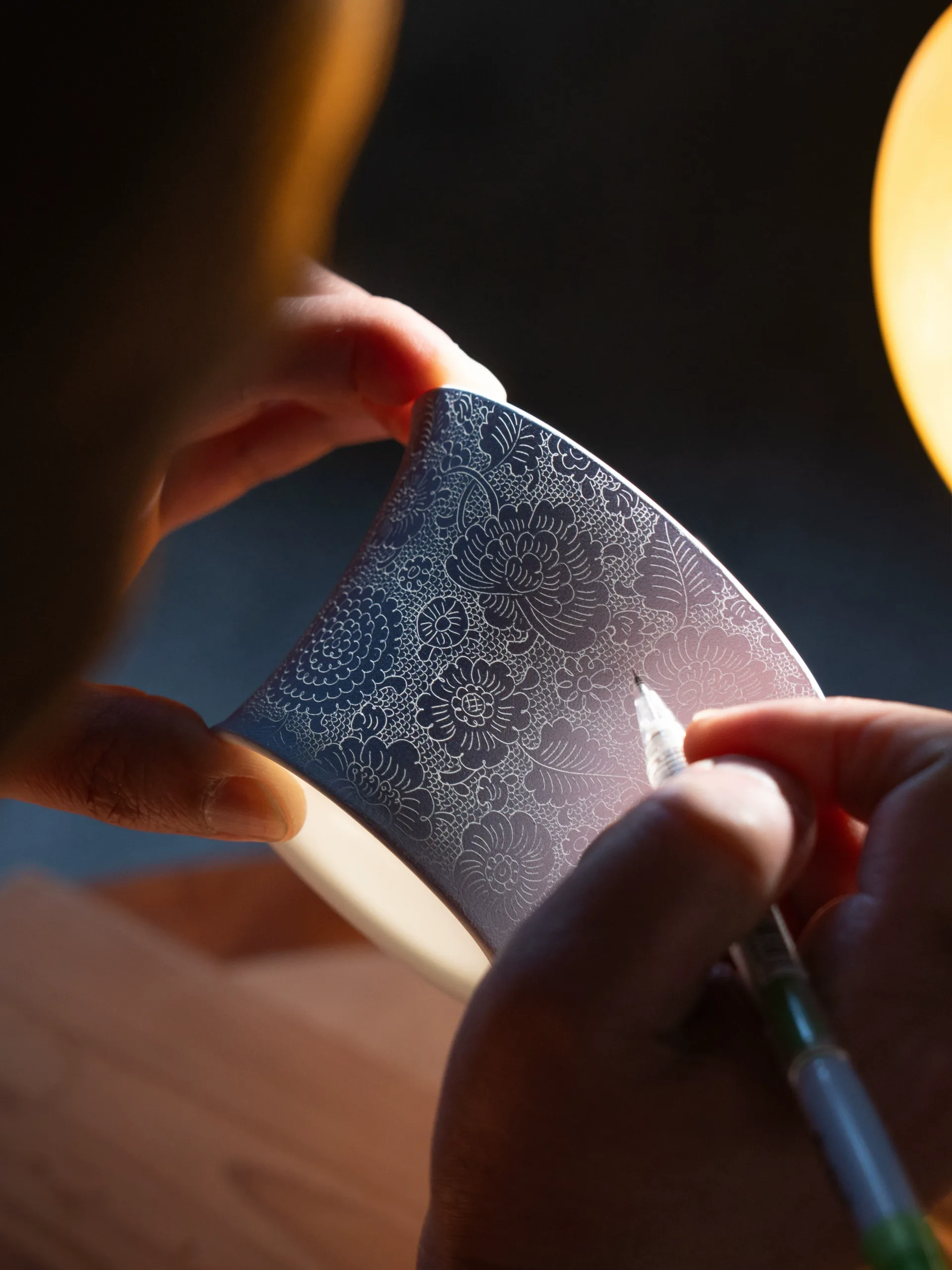
When heritage workshops and contemporary design work well together, the result is not nostalgia. It is continuity.
The object can feel rooted and modern at the same time.
Heritage workshops remain relevant when their knowledge supports objects people can use, wear, and live with today. Related reading: cultural inspiration without souvenir design and traditional craft in modern homes.
For wider reference, see UNESCO context on intangible cultural heritage.