Subscribe to stay in-the-know
Enter your details to receive communications about our products and services, events, and cultural endeavours.
Traditional craft still matters in modern homes because it brings texture, material memory, and human judgment into objects used every day.
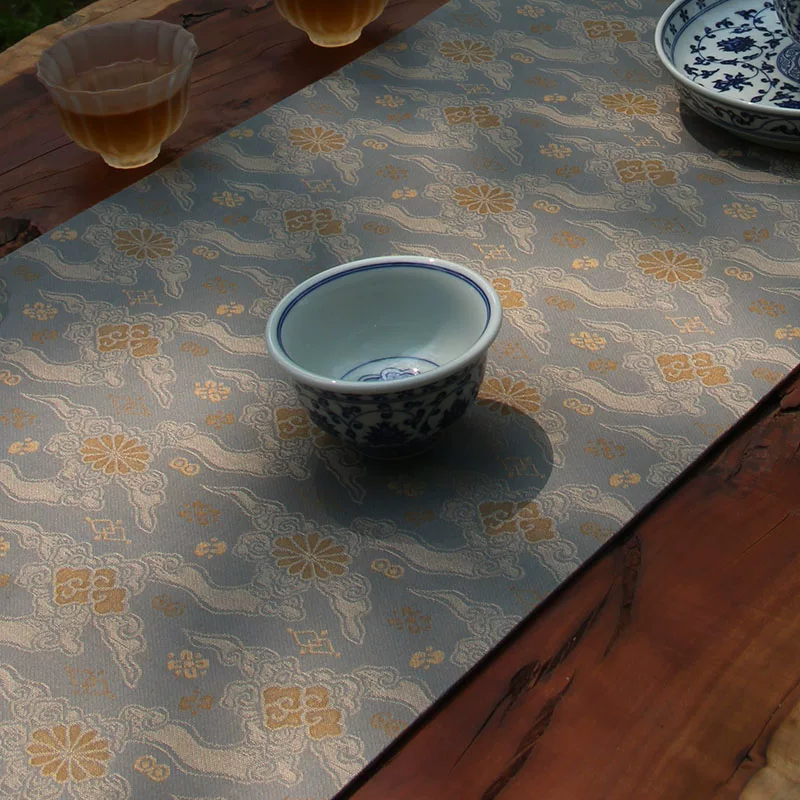
Traditional craft matters not because it is old, but because it brings material memory, human judgment, and slower attention into modern homes.
Contemporary interiors often value simplicity, but simplicity can become sterile when every surface feels anonymous. Traditional craft adds something different: evidence that a human hand, a material tradition, and a process of judgment shaped the object.
This is why handmade ceramics, textiles, incense objects, and small pieces of jewelry can feel at home in modern rooms. They do not need to dominate the space. They only need to make daily use feel more considered. See the Zen Living collection for objects designed around this kind of quiet presence.
A woven runner does not communicate in the same way as a printed surface. A crystalline glaze cup does not behave like a flat commercial coating. A tea-dyed bag does not feel like a synthetic fashion print. Craft allows material to keep its own voice.
That voice may appear as slight variation, texture, uneven depth, or a surface that changes with light. These details are not distractions. They are part of why the object feels less disposable.
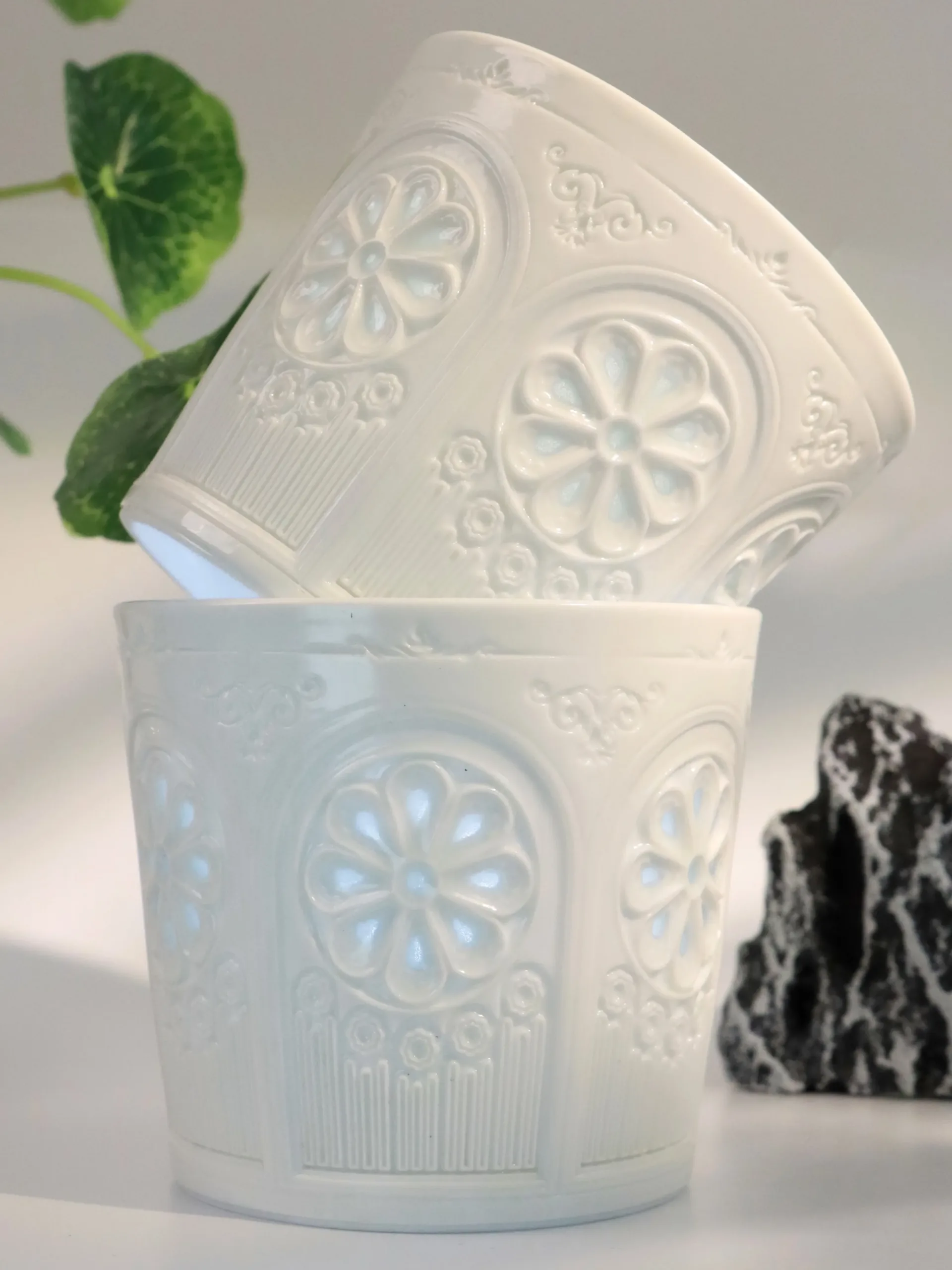
Traditional craft becomes meaningful when it is used. A cup held every morning, a textile placed on a console table, an incense holder used before reading, or a bracelet worn during the day can all make craft part of life rather than a museum idea.
Machine perfection often hides the story of making. Handmade variation reveals it. The slight shift in glaze, weave, bead tone, or dye depth reminds us that the object was not flattened into total sameness.
This idea connects closely with our article on what makes an object worth keeping. The most durable value is often not visual novelty, but the ability to keep rewarding attention over time.
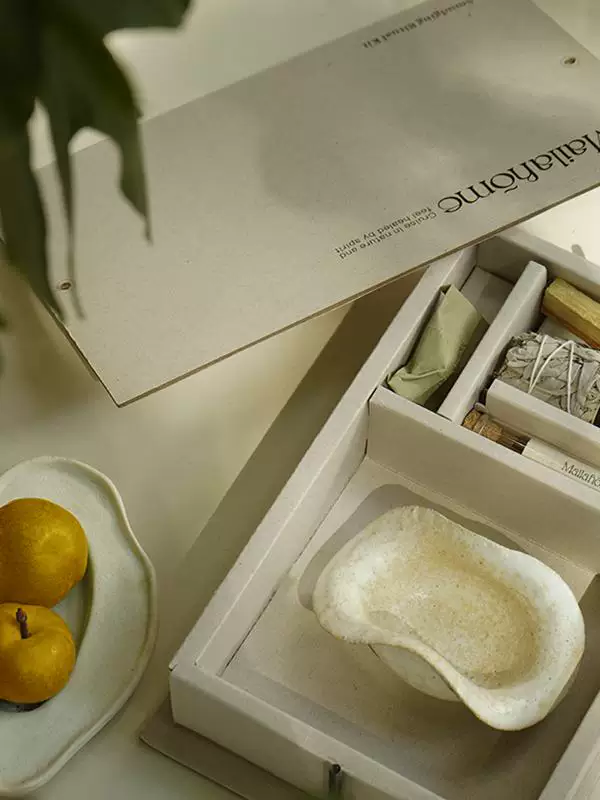
Start with function. A textile that shapes a table, a cup used every day, or a scent object that marks a pause will feel more natural than decorative pieces bought only to fill space.
Traditional craft works best in modern homes when it is allowed to be quiet. One strong material gesture is often better than a room full of cultural references.
Traditional craft works best when it stays useful, quiet, and close to daily life rather than becoming empty decoration. Related reading: slow living and texture and heritage workshops and contemporary design.
For wider reference, see UNESCO context on intangible cultural heritage.