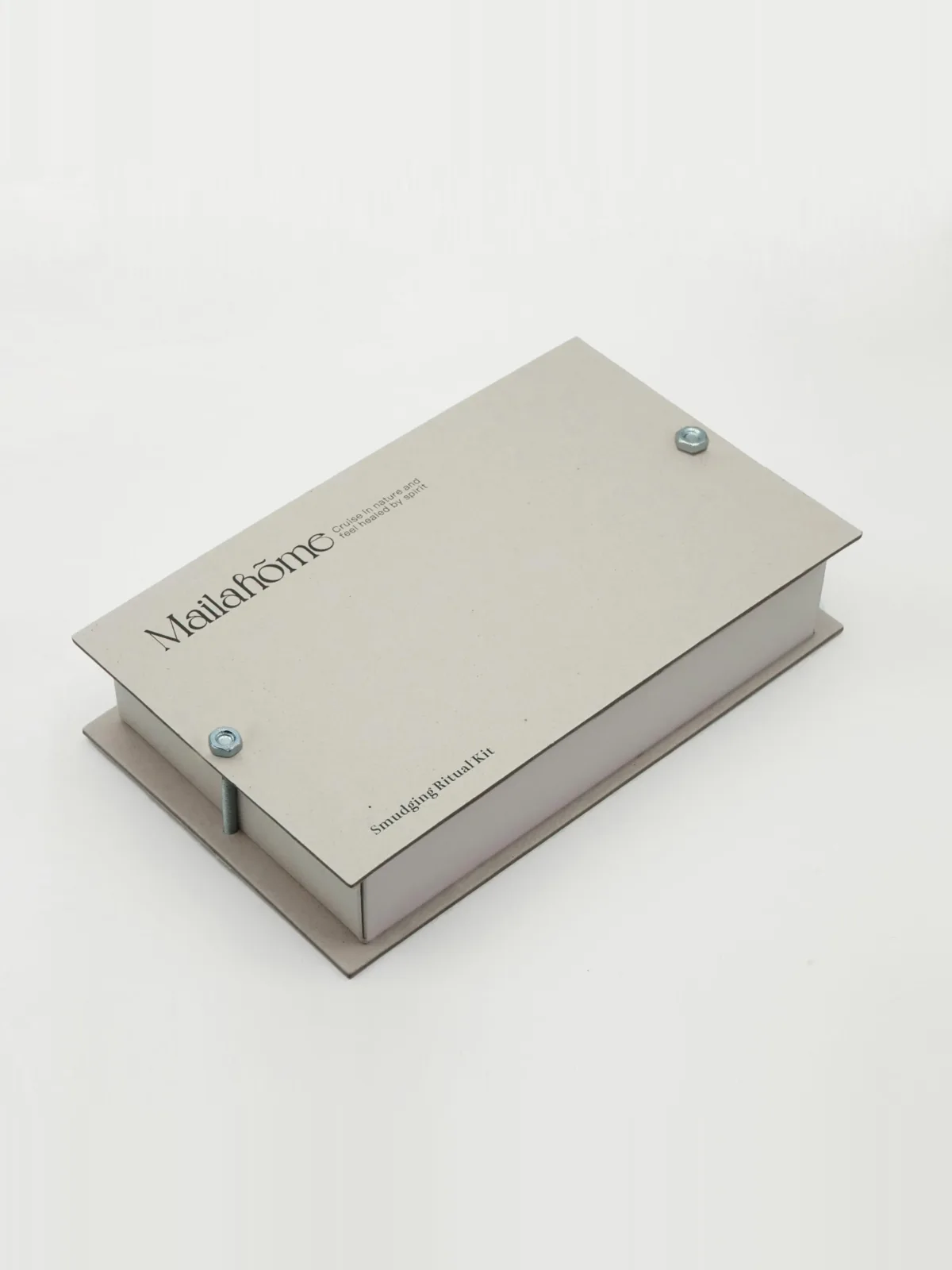
Subscribe to stay in-the-know
Enter your details to receive communications about our products and services, events, and cultural endeavours.
Subscribe to stay in-the-know
Enter your details to receive communications about our products and services, events, and cultural endeavours.
Why the best daily-use objects do more than function well: they shape attention, pace, and the feeling of ordinary life.
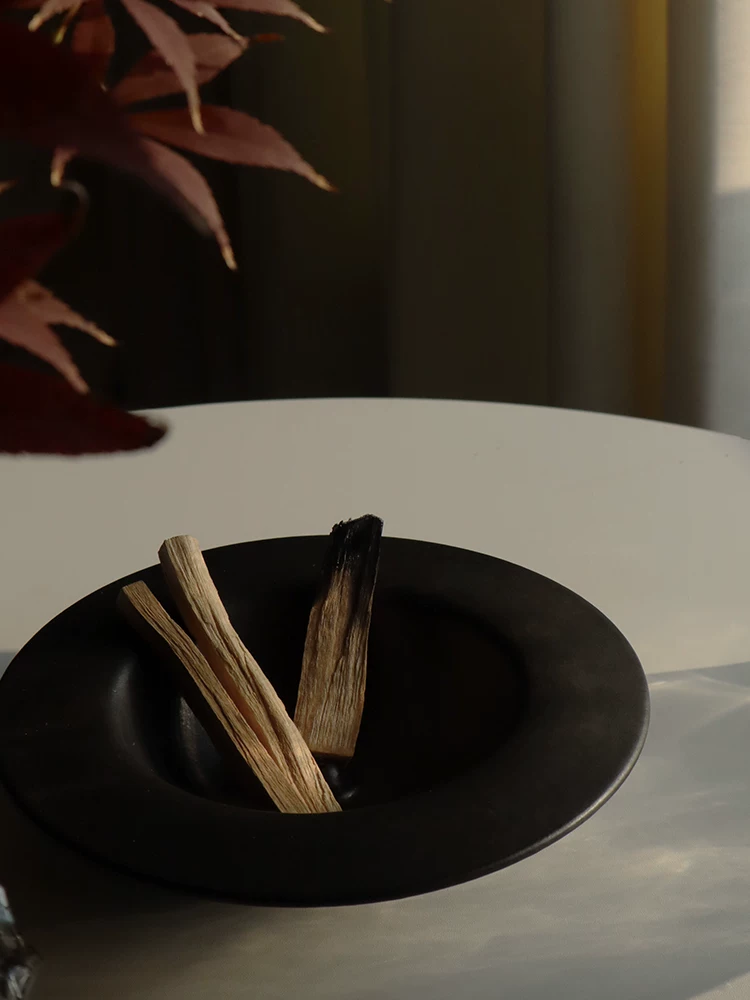
Product philosophy can sound abstract until it enters ordinary life. Then it becomes very concrete. It appears in the weight of a lid, the softness of a textile, the ease of preparing incense, the proportion of a tray, or the way a surface continues to please after novelty disappears. A good object is never only functional. It teaches a way of using attention.
That is why everyday ritual objects deserve real philosophy behind them. They are handled repeatedly, often in small unguarded moments. If they are poorly considered, that becomes visible quickly. If they are thoughtful, they make daily life feel more composed without demanding drama.
An object should work, of course. But usefulness alone does not explain why one thing feels disposable while another is worth keeping. We continue to use certain objects because they do their job with a kind of clarity that remains satisfying over time.
In this sense, product philosophy begins where bare function ends. It asks what kind of feeling, pace, and attention an object supports once it enters repeated use.
Thoughtful products tend to be materially legible. You can tell, more or less, what they are trying to be. Natural materials, careful finishes, and restrained forms create a sense of ease because they do not compete too loudly for attention.
This does not mean every object must be minimal. It means the material should feel credible, and the design should let that material speak.
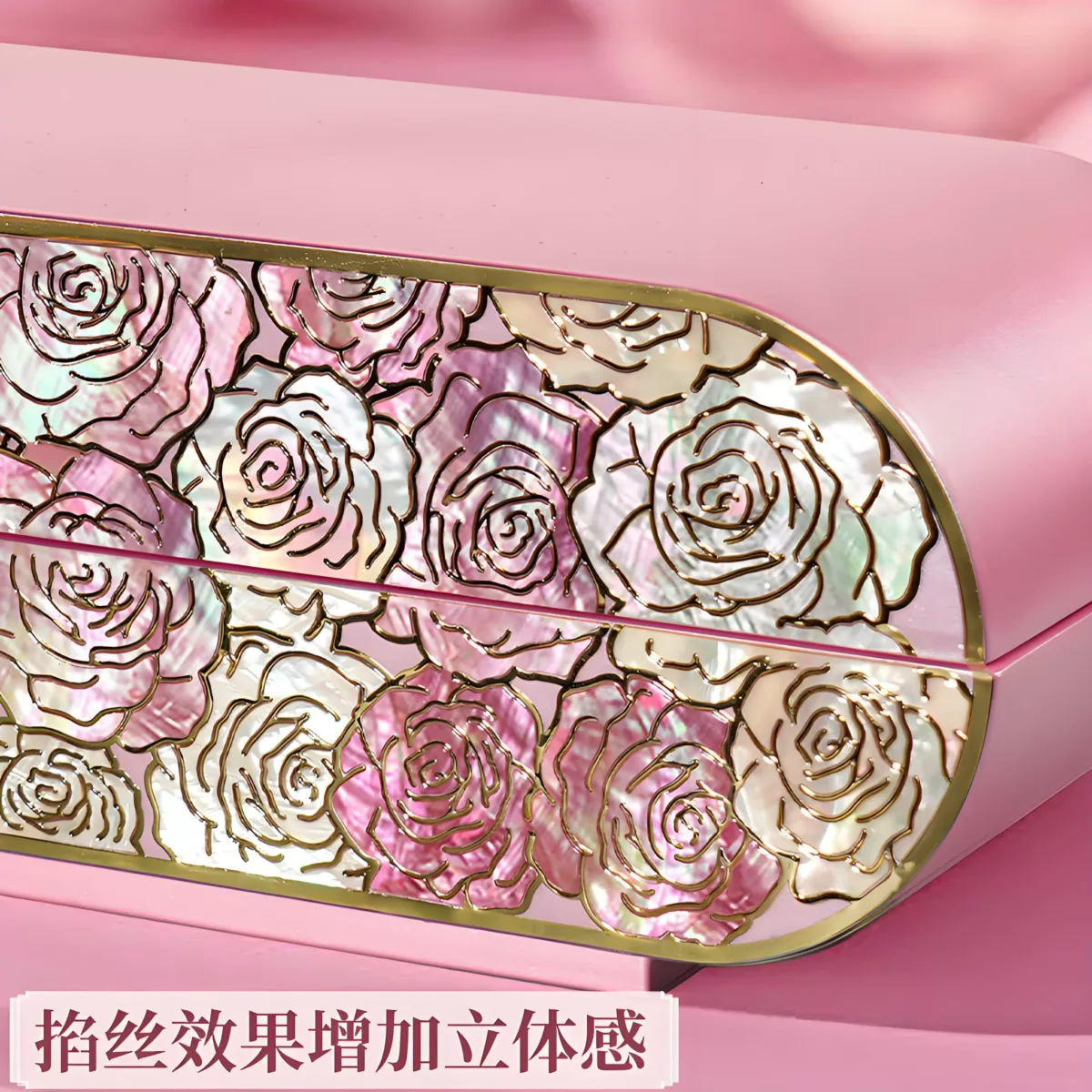
Good design quietly directs the hand and the eye. It makes use intuitive, storage sensible, handling pleasant, and repetition welcome. This is especially important for objects tied to ritual, because their success depends on how naturally they fit into a daily sequence.
When design is overworked, the object begins to interrupt the user. When design is clear, the object helps the ritual happen almost without friction.
A strong product philosophy is often felt as relief: the sense that nothing unnecessary has been added between the user and the act itself.
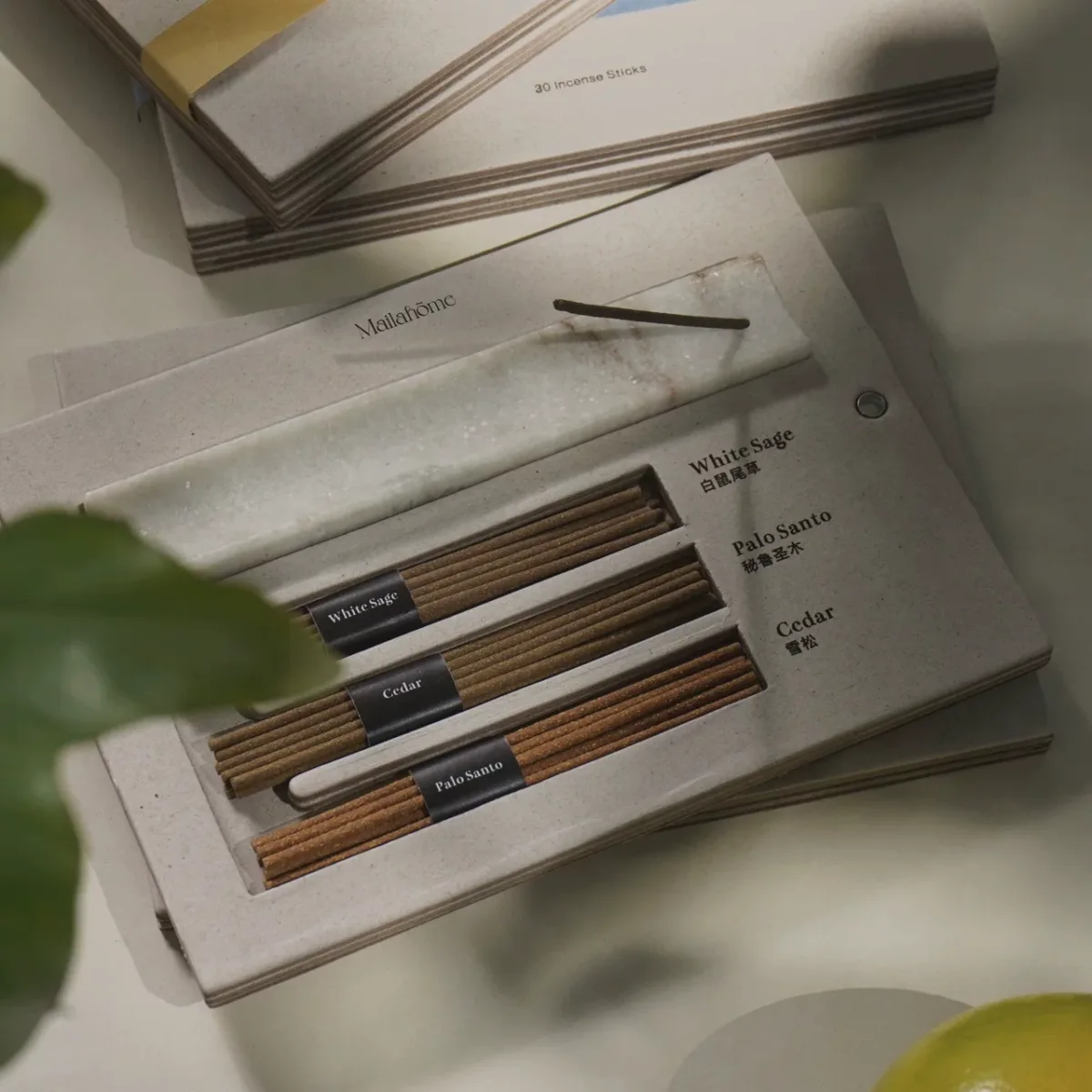
Many products are designed for immediate appeal but not for long companionship. A more durable philosophy asks what the object will feel like after repeated handling, changing light, minor wear, and changing routines. Does it continue to belong? Does it remain legible?
Objects worth keeping often answer yes because they were designed around steady use rather than the photograph of first use.
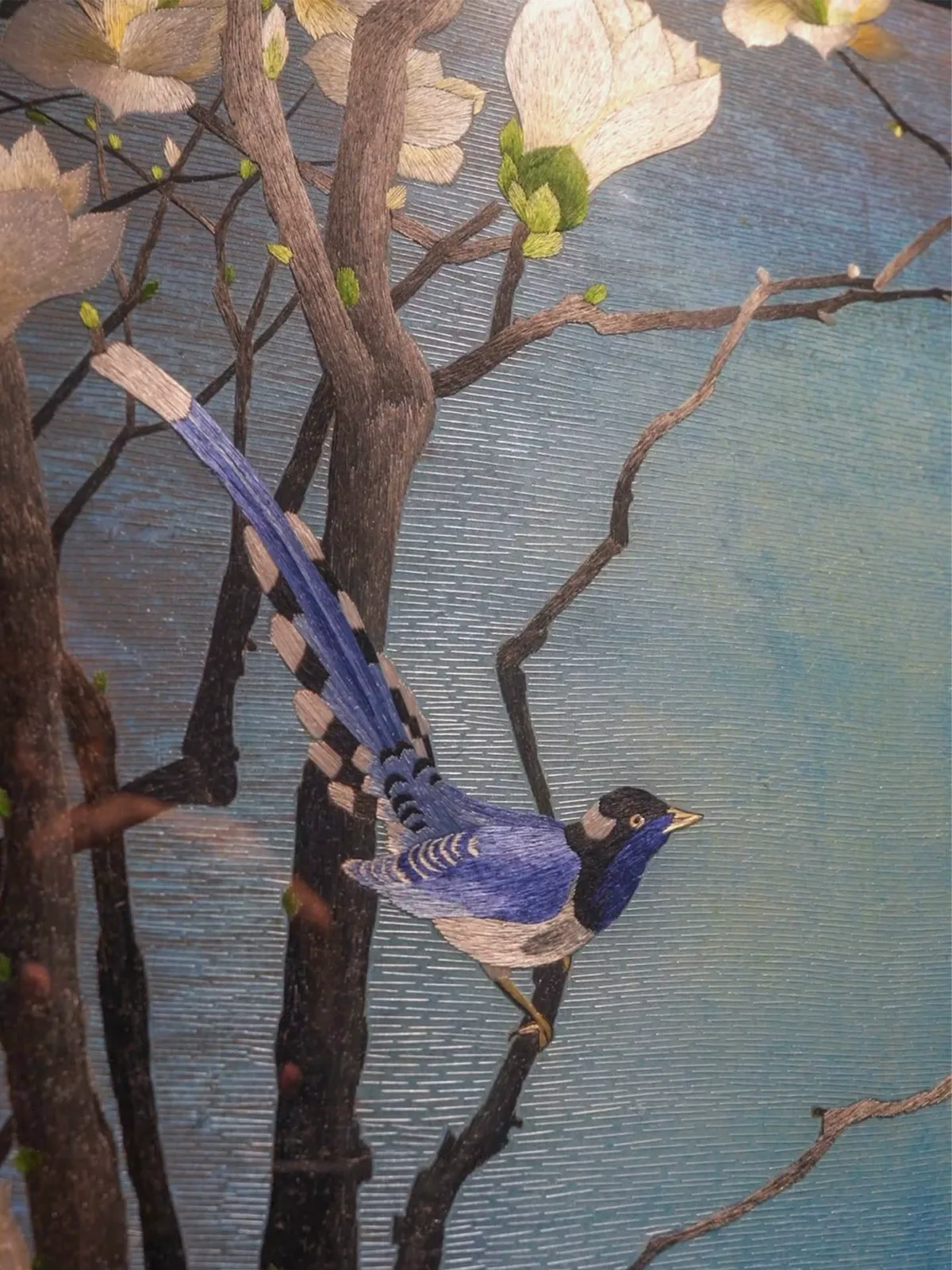
Over time, product philosophy stops being theory. It becomes visible in the object’s behaviour: how it fits the hand, how it sits in a room, how quickly it becomes part of routine, and how little explanation it needs once it is in use.
That is why philosophy matters even for small everyday objects. The things we use repeatedly shape our habits of attention. When they are made with care, they return that care to us in daily life.