Subscribe to stay in-the-know
Enter your details to receive communications about our products and services, events, and cultural endeavours.
Subscribe to stay in-the-know
Enter your details to receive communications about our products and services, events, and cultural endeavours.
A desk is not just a workstation; it is the landscape your attention returns to all day.
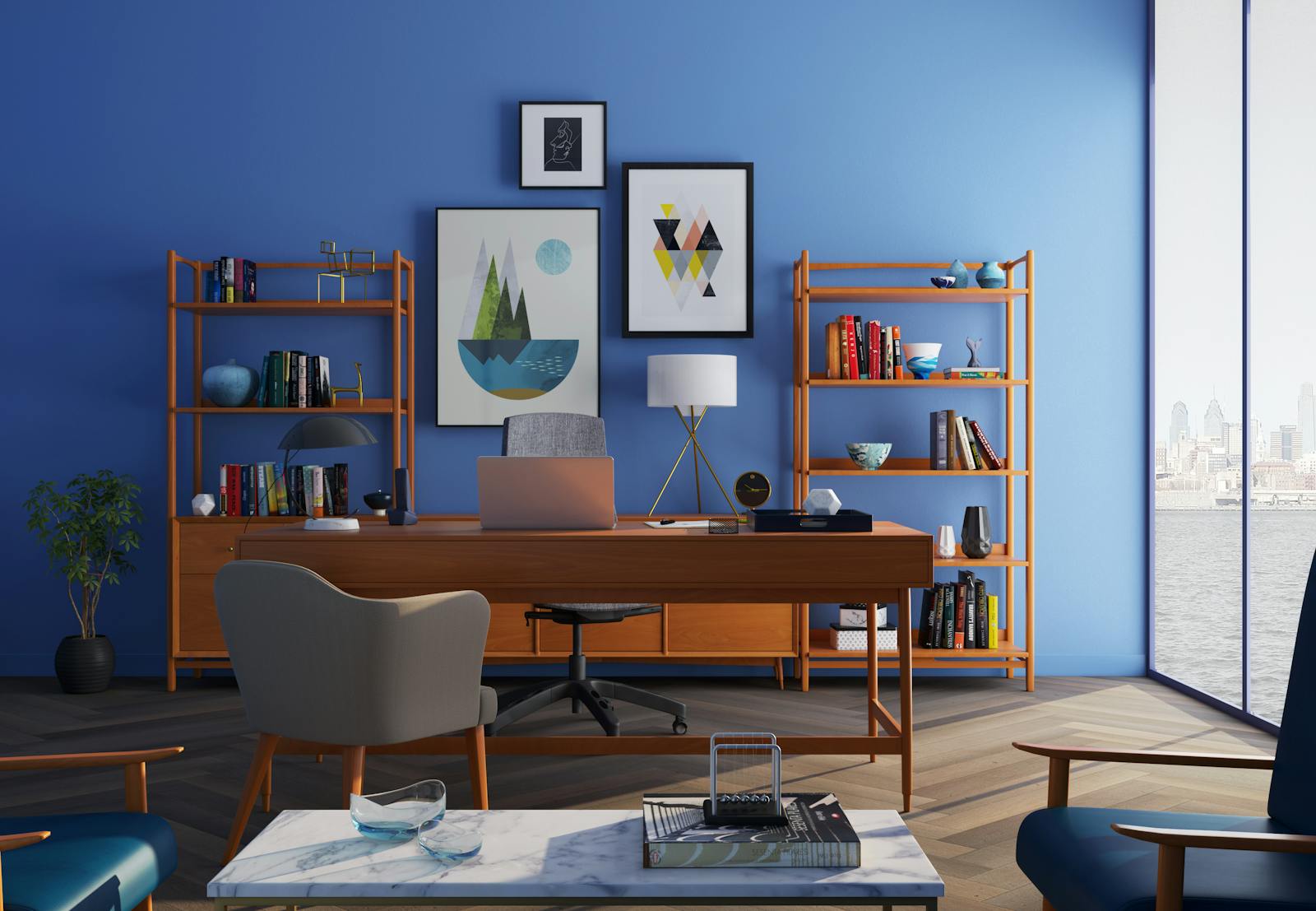
A desk is not just where work happens. It is the surface your eyes return to again and again, often more than any other place in your home. That makes it more than functional furniture. It becomes a daily atmosphere — one that can either scatter your attention or quietly steady it.
The point is not to style your workspace as if it were a showroom. It is to choose a few objects that make the hours feel more considered: something to hold, something to place, something to return to. When chosen well, craft belongs here because it gives the day texture.
Notice what you touch in the first ten minutes of work. Usually it is a cup, a pen, a tray, or the small dish where you leave rings, earbuds, or paper clips. These are not background details. They are the entry points into your day. If they are flimsy, loud, or purely disposable, the desk begins to feel that way too.
A calmer workspace often starts with reducing quantity and improving character. One ceramic cup with a good weight, one small tray with a clear purpose, one object whose surface reminds you it was shaped by hand — that is often enough to change the feeling of the whole desk.
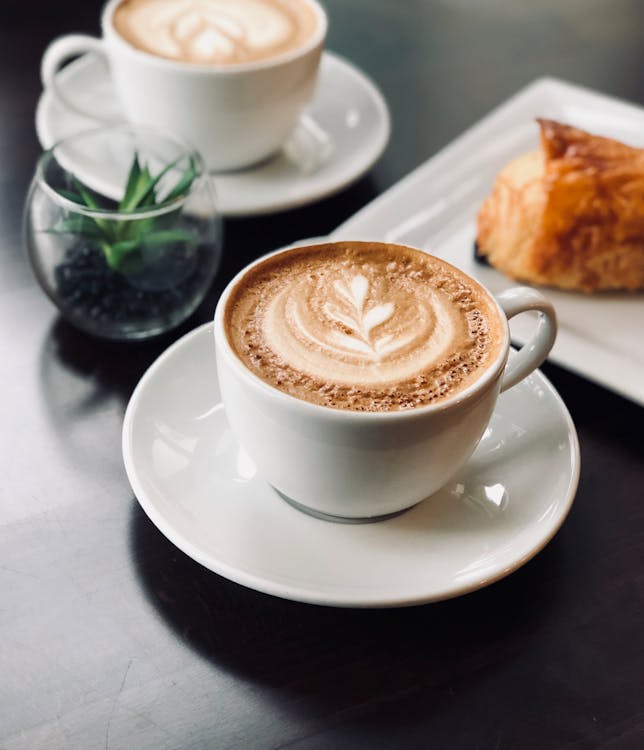
The morning drink is the easiest place to begin because it already exists in your routine. A handmade cup changes the pace very slightly but very reliably. The lip is softer. The glaze catches light in a less uniform way. Warmth lingers in the hand long enough to register. What was automatic becomes momentarily felt.
That small pause matters. Before the tabs multiply and the messages begin, it gives the body one clear signal: arrive first, then proceed. Craft does not need an hour-long ritual to justify itself. Sometimes it only needs forty seconds of attention, repeated every weekday.
The best desk objects do not distract from work. They make your return to work feel cleaner, calmer, and more deliberate.
At a home workspace, a small incense holder or scent object can work as a boundary marker. Not all day, and not for spectacle — just at the moment you shift into concentrated work. Used this way, scent becomes less about decoration and more about rhythm. It tells the mind: this is the hour for depth.
If incense is not practical for your setting, the same principle can live in another object: a carved comb set beside a notebook, a shell-inlaid box that holds the day’s essentials, a small ceramic vessel that is only moved when work begins. The object becomes a signal through repetition.

By early afternoon, most desks begin to accumulate proof of mental noise: a spoon left by the cup, receipts, chargers, opened notes, packaging, loose jewellery. Instead of waiting for clutter to become overwhelming, take one minute to reset the composition. Return one object to its tray. Empty the cup. Straighten the thing you keep in sight.
This is where handcrafted containers earn their place. A small box, dish, or holder is not merely storage. It allows the desk to recover its form quickly, without needing a complete clean-up. Good objects make order easier to maintain.
At the end of the day, the desk can either preserve stress or release it. Closing the laptop is not always enough. Put the pen back. Set the cup aside. Let the tray hold what should remain. If you use jewellery, place it somewhere worthy rather than somewhere temporary.
The result is not perfection. It is continuity. Tomorrow begins more gently because yesterday ended with care. This is the quiet promise of living with craft: ordinary routines become a little more inhabitable, not because they are luxurious, but because they are treated as part of a life worth shaping.