Subscribe to stay in-the-know
Enter your details to receive communications about our products and services, events, and cultural endeavours.
Subscribe to stay in-the-know
Enter your details to receive communications about our products and services, events, and cultural endeavours.
A closer look at lacquer, shell inlay, and the slow discipline that gives these objects their depth.
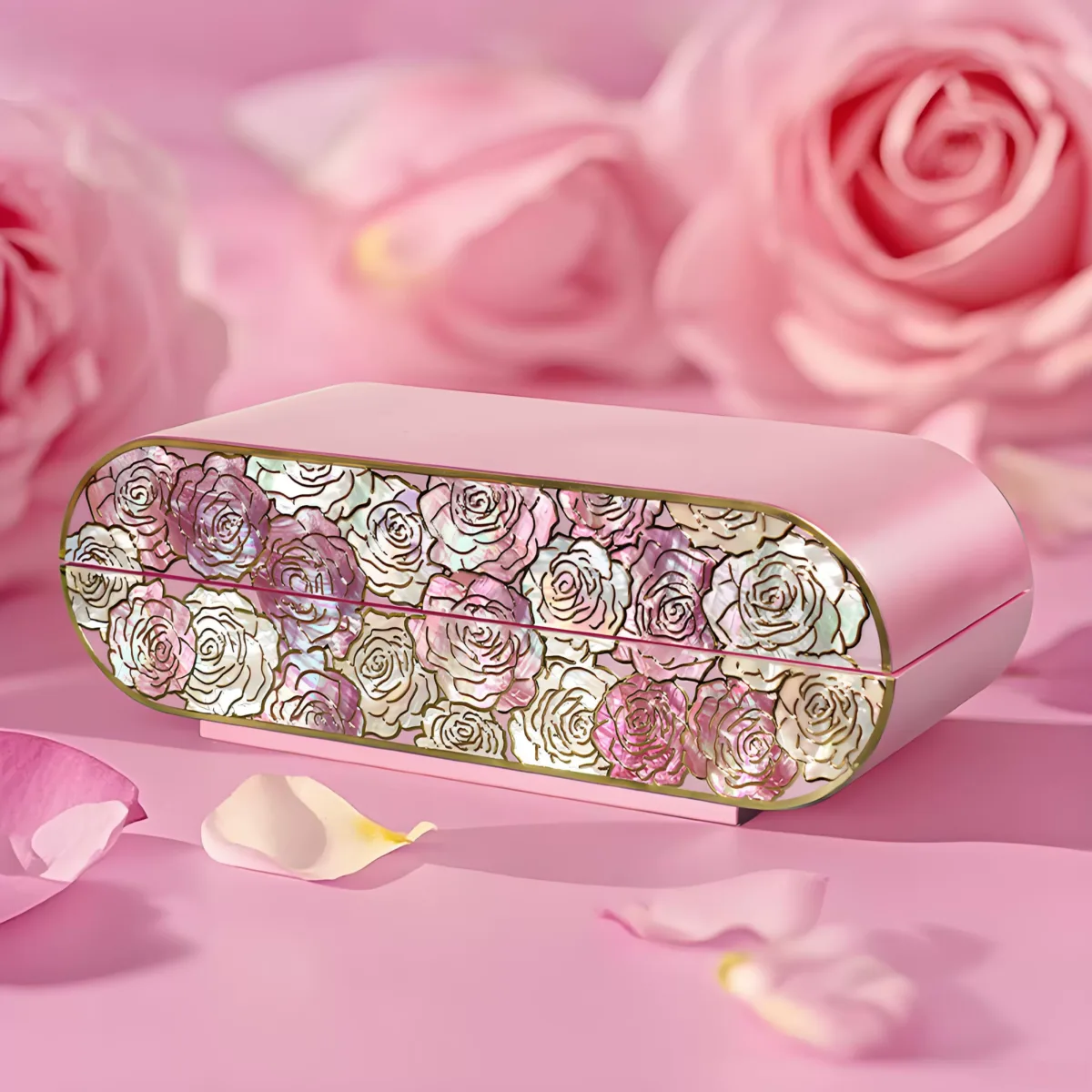
Lacquerware is easy to misread if we judge it only by its finished shine. The surface can look quiet, controlled, almost effortless. But lacquer is one of the least immediate of all decorative arts. It is built through layering, waiting, drying, sanding, and returning, until depth begins to appear where there once seemed to be only gloss.
This is why good lacquerware still feels distinct in contemporary life. It carries patience in a visible form. And when shell inlay enters the surface, that patience becomes even more demanding: light has to be held not only in the lacquer, but also in the nacre placed inside it.
Unlike finishes designed for speed, lacquer gains authority through repetition. A strong lacquer surface does not depend on one dramatic gesture. It depends on many measured ones, each too slight on its own to look impressive, yet essential to what follows.
That is part of what gives lacquerware its unusual calm. The object does not announce process loudly, but process is everywhere inside it. The depth of tone, the steadiness of the surface, and the sense of quiet density all come from work that had to be repeated rather than rushed.
Each lacquer layer asks for judgment. Too much, and the surface can become heavy. Too little, and it lacks body. Drying time matters. Sanding matters. So does the maker’s willingness to correct what the previous stage has left behind.
This is why lacquer belongs among the crafts that resist industrial tempo. It is not simply a coating. It is a slowly constructed skin, one whose success depends on discipline more than spectacle.
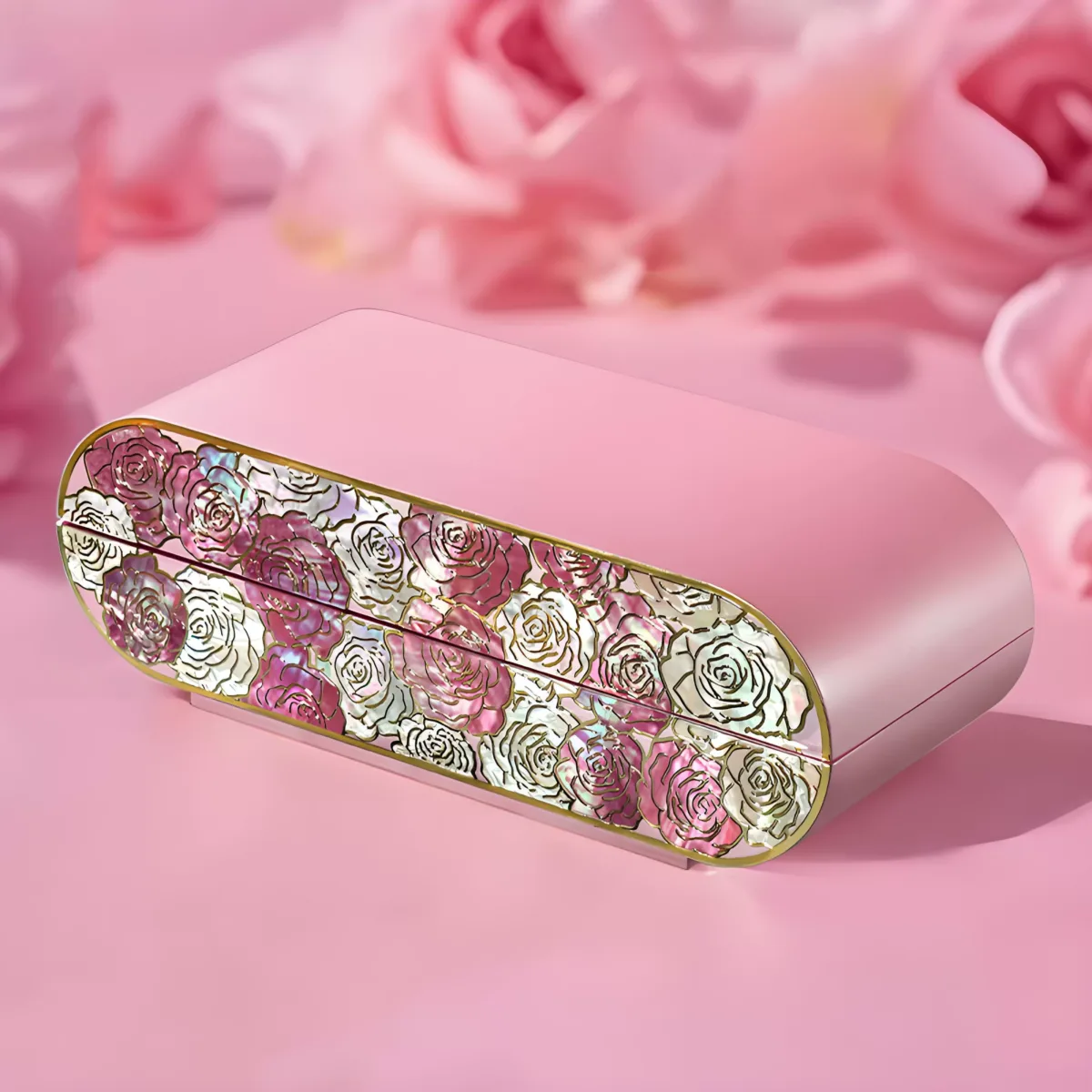
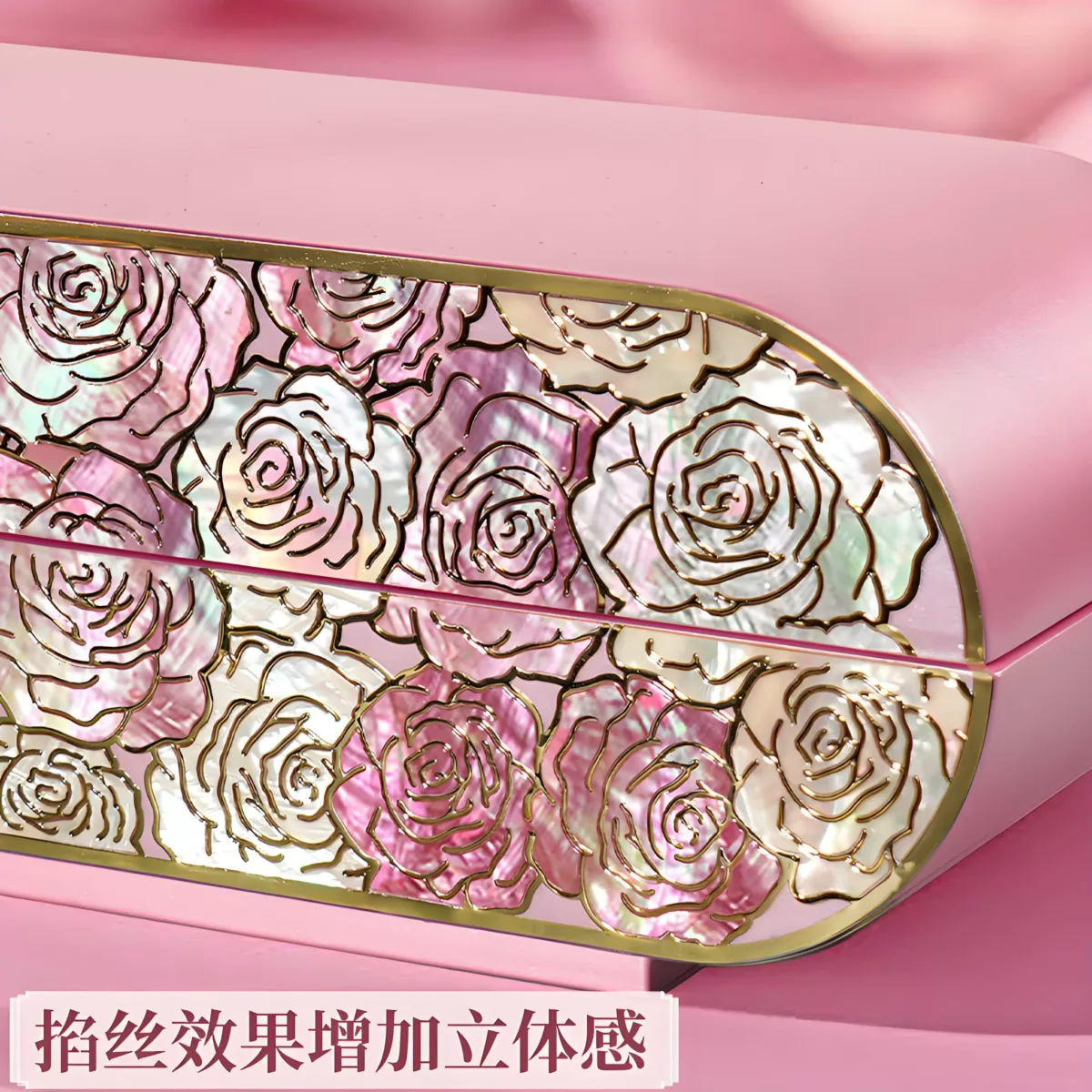
When mother of pearl or shell inlay enters lacquer, the object becomes more than a study in finish. It becomes a conversation between two forms of depth: the dark, built patience of lacquer and the shifting light of nacre. Inlaid shell must be shaped, placed, and integrated carefully enough that it belongs to the surface rather than merely sitting on it.
That is why inlaid lacquerware carries a different intensity from plain lacquer. It asks the artisan to work with both composition and material behavior at once. The surface has to remain coherent while still allowing light to move through the shell.
Good inlaid lacquerware feels alive because darkness and iridescence are held in balance, not forced into competition.
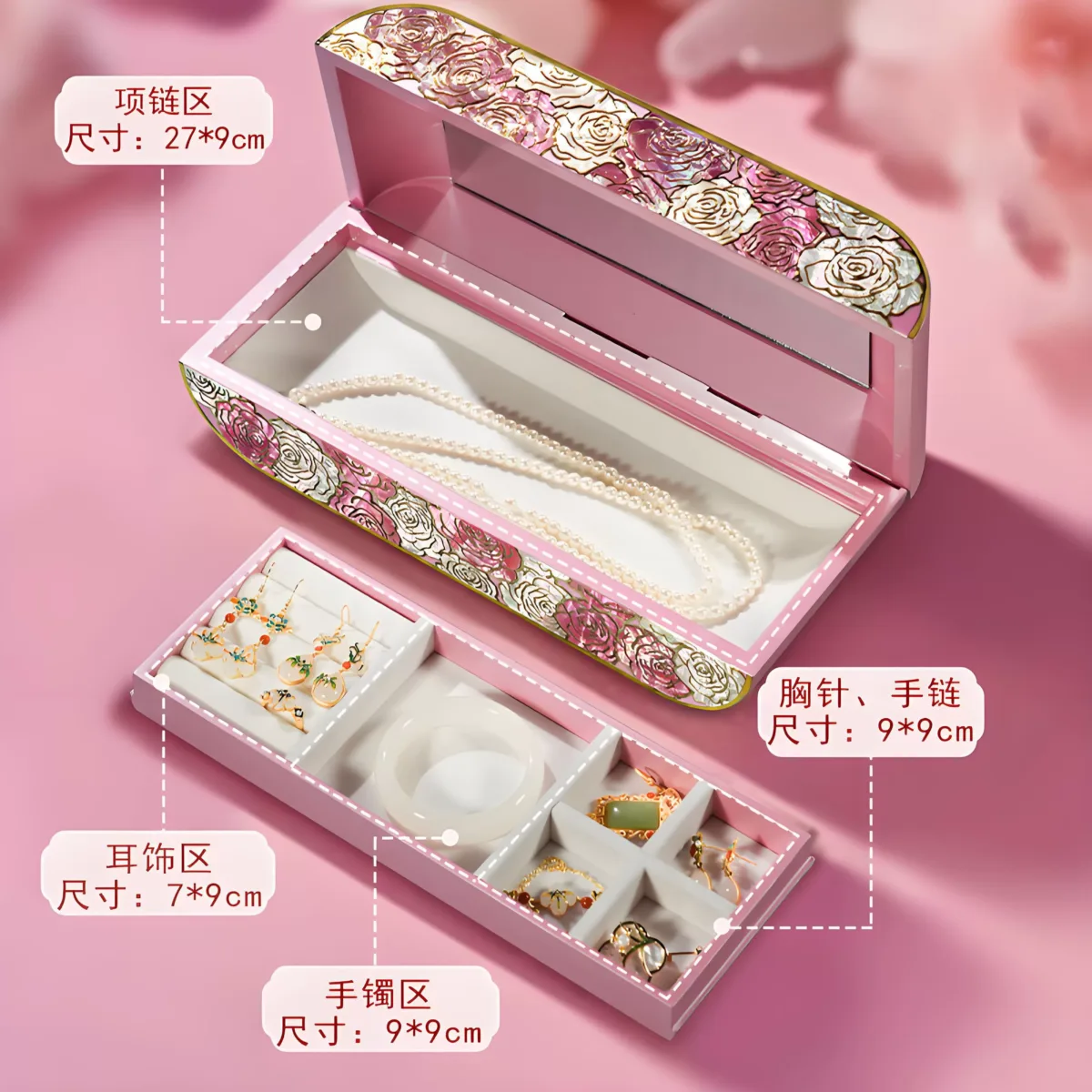
Lacquer is convincing precisely because it cannot be finished all at once. It asks for intervals: time to dry, time to settle, time to judge whether the surface has actually reached the depth the object requires. That pacing is not an inconvenience to the craft. It is the craft.
This is also why truly good lacquerware rarely feels generic. Even when form is simple, the object carries the evidence of patient decisions. It has been brought into order rather than merely produced.
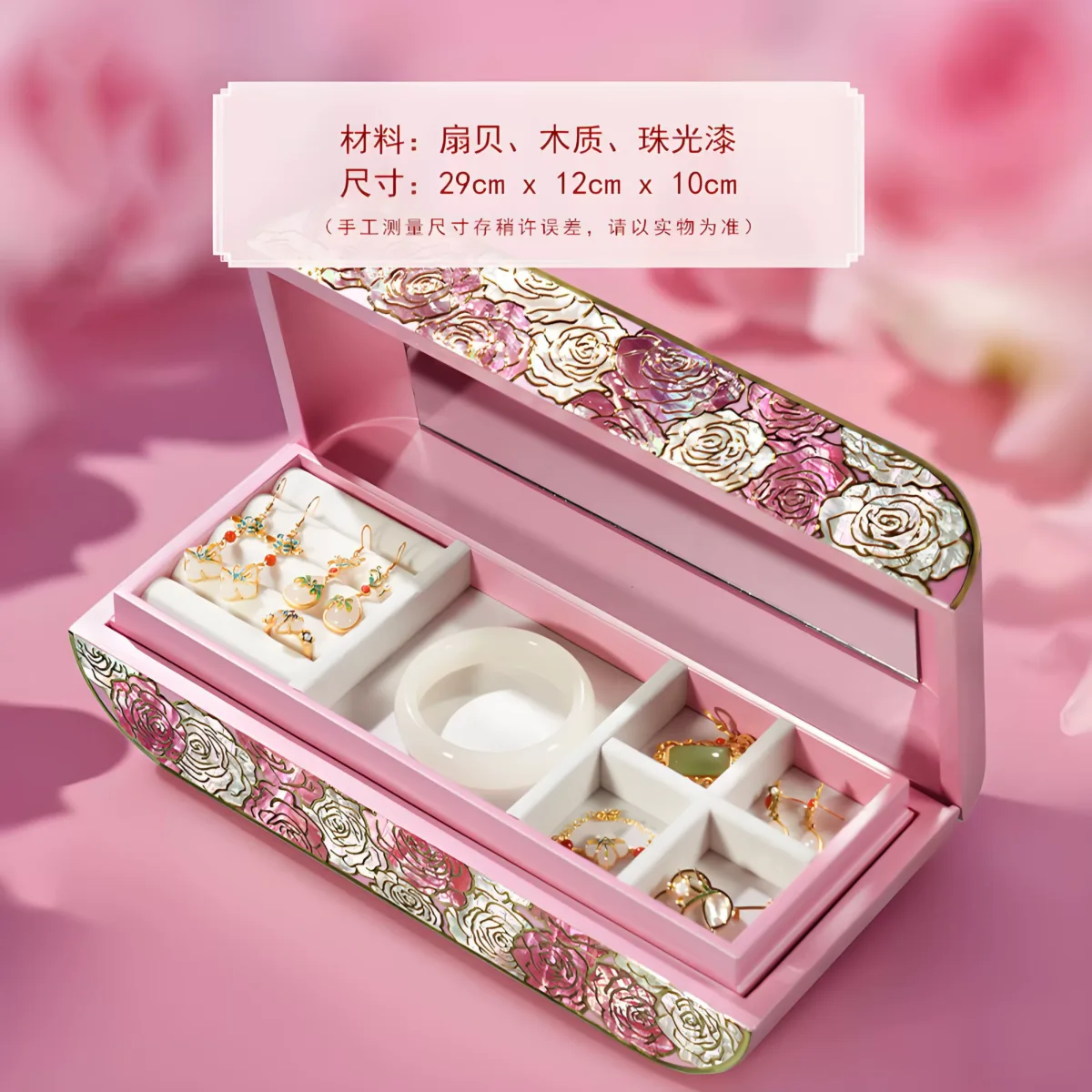
In contemporary interiors, lacquerware can look unexpectedly at home because its discipline reads as clarity rather than nostalgia. A small box, tray, or personal object made in lacquer does not need historical styling to feel relevant. Its strength lies in material presence.
That is why lacquerware still deserves to be lived with. It offers a quieter idea of luxury: not novelty, not excess, but a surface shaped slowly enough to hold attention for years. What remains persuasive is not just the shine, but the time behind it.