
Subscribe to stay in-the-know
Enter your details to receive communications about our products and services, events, and cultural endeavours.
Subscribe to stay in-the-know
Enter your details to receive communications about our products and services, events, and cultural endeavours.
How origin, material, and specificity make craft more trustworthy in a market full of generic stories.
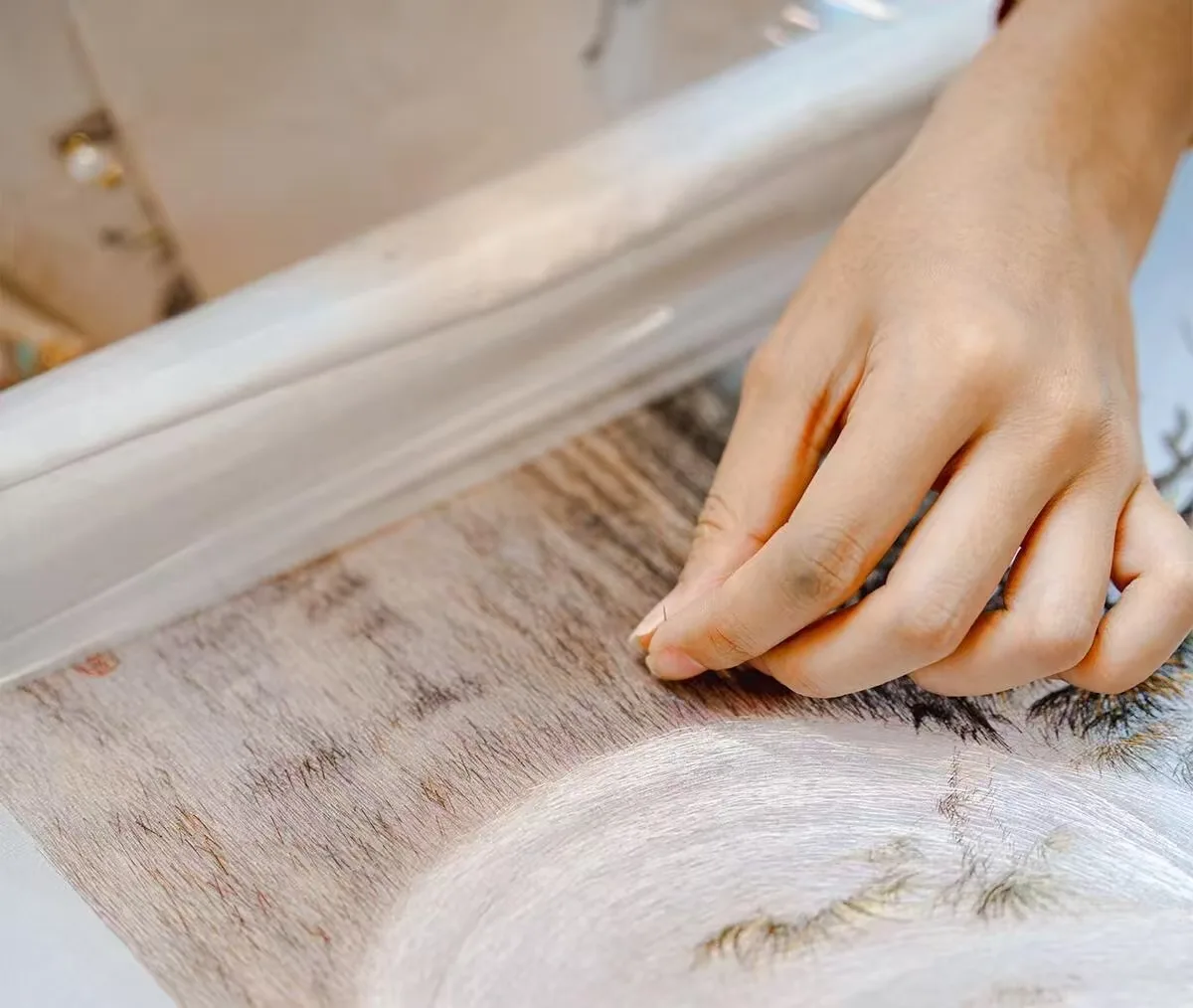
In a marketplace crowded with generic descriptions, provenance has become easy to reduce to a marketing phrase. But provenance, at its best, is not decoration. It is the answer to basic questions: who made this, what is it made from, what kind of skill shaped it, and why does that matter?
These questions matter because crafted objects ask for a different kind of trust. When someone buys lacquerware, embroidery, incense tools, or a gift box built around natural materials, they are not only purchasing utility. They are buying into a chain of decisions — sourcing, making, finishing, selecting, and presenting. Provenance gives those decisions shape.
To say an object is handmade or traditional is not enough. Good provenance does more than name a place or invoke heritage. It explains how the object belongs to a larger story of making. This story may be regional, material, or workshop-based, but it must be specific enough to create understanding rather than mood alone.
That specificity is what separates real provenance from borrowed atmosphere. It turns a decorative claim into something the buyer can actually trust.
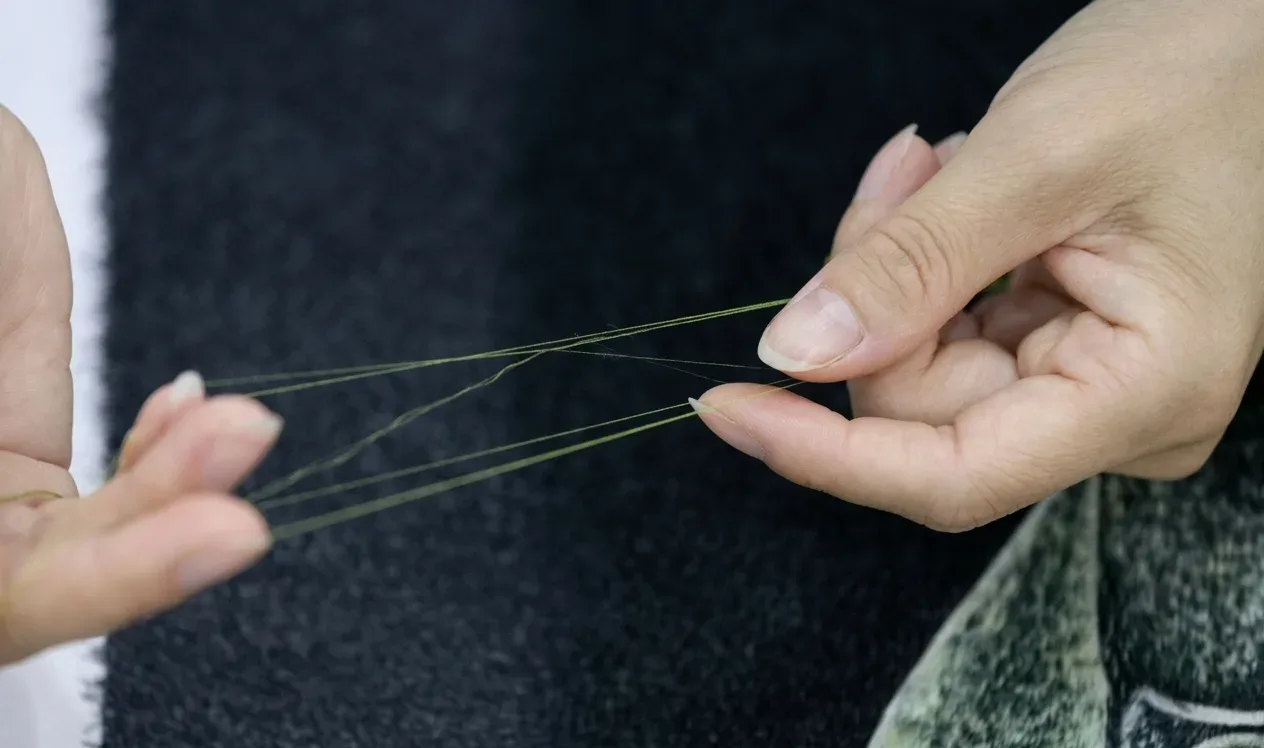
Material always says something, but without context it says too little. Silk, nacre, wood, incense powder, lacquer, paper, and plant fragrance each carry histories of use and expectation. Provenance helps explain why those materials were chosen and what kind of attention they deserve.
This matters because material honesty is one of the main reasons people seek craft in the first place. They want more than a look. They want a relationship to the object that feels grounded in reality.

Many of the most persuasive objects are quiet on the outside. Their complexity is not obvious until we consider how much work had to be done before the surface could appear resolved. Provenance restores this hidden labour to view. It reminds us that polish, precision, and calm often result from repeated, highly specific decisions.
In that sense, provenance is also a form of respect. It refuses to treat the finished object as if it arrived without human intelligence.
When provenance is clear, the object becomes more than attractive. It becomes accountable to the hands, materials, and processes that made it possible.
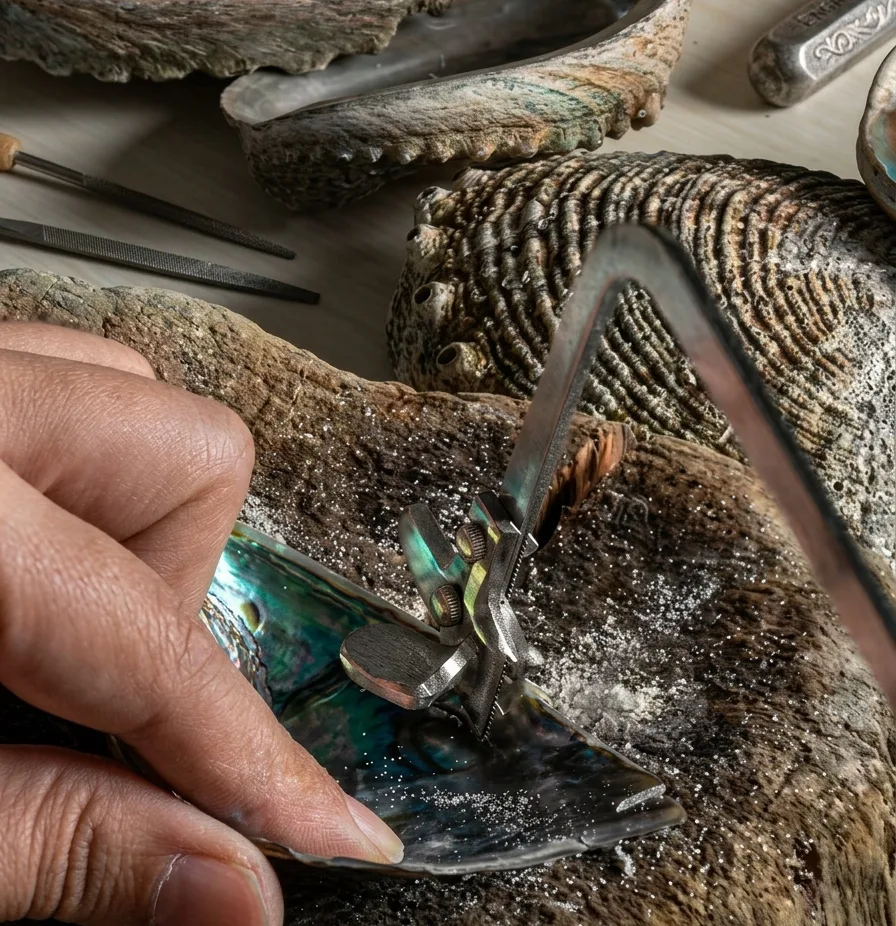
Small brands especially cannot afford vague storytelling. The more generic the language becomes, the less persuasive the object feels. Specificity creates confidence: not only in origin, but in curation. It tells the buyer that someone has made a real selection rather than assembling a mood board of borrowed ideas.
This is why provenance belongs to both maker and seller. One produces the object; the other must describe it accurately enough to preserve its integrity.
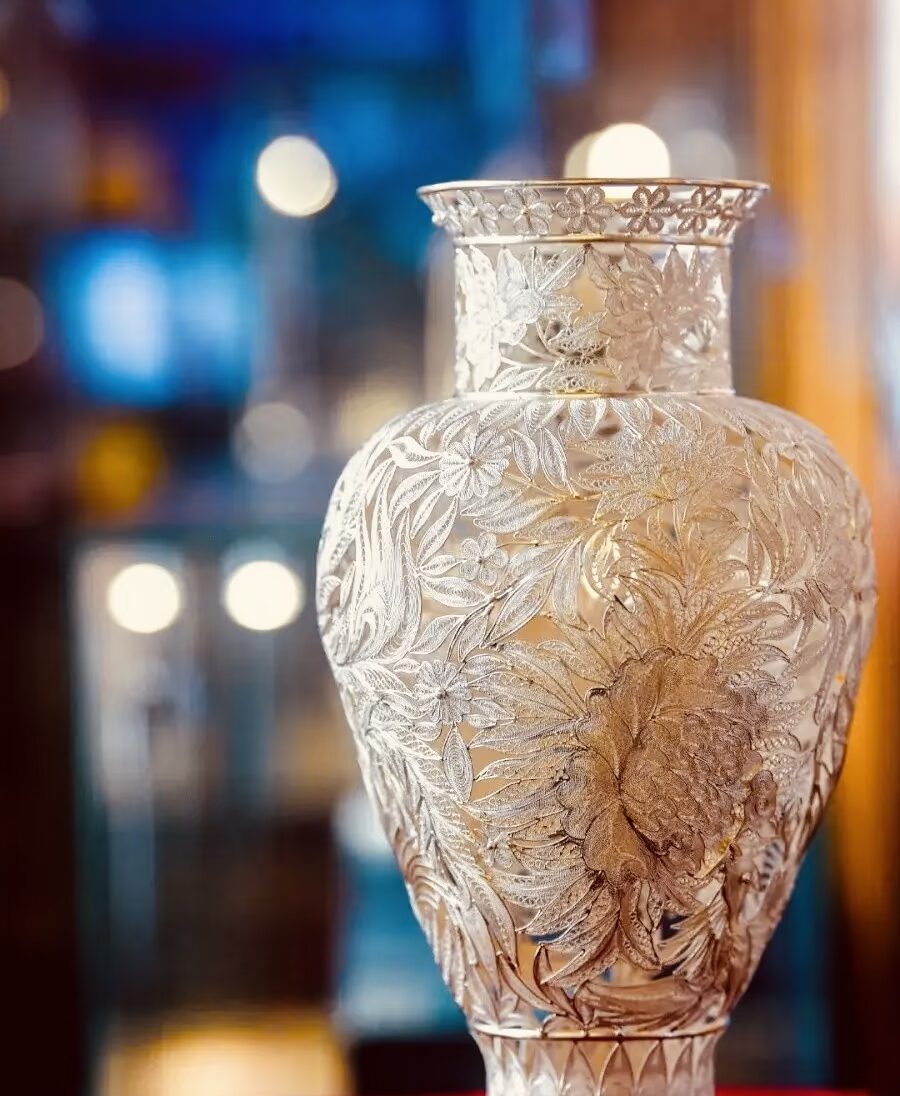
For the buyer, provenance changes the quality of attention. It encourages slower looking and more confident choosing. The object is no longer anonymous. It carries a location in thought as well as a location in space.
That is why provenance still matters. In a fast market full of interchangeable goods, it offers a different kind of value: clarity about what an object is, where it comes from, and why it is worth living with.