Subscribe to stay in-the-know
Enter your details to receive communications about our products and services, events, and cultural endeavours.
Subscribe to stay in-the-know
Enter your details to receive communications about our products and services, events, and cultural endeavours.
A calmer approach to design: begin with use, follow the material, and make objects that remain persuasive in repeated daily life.
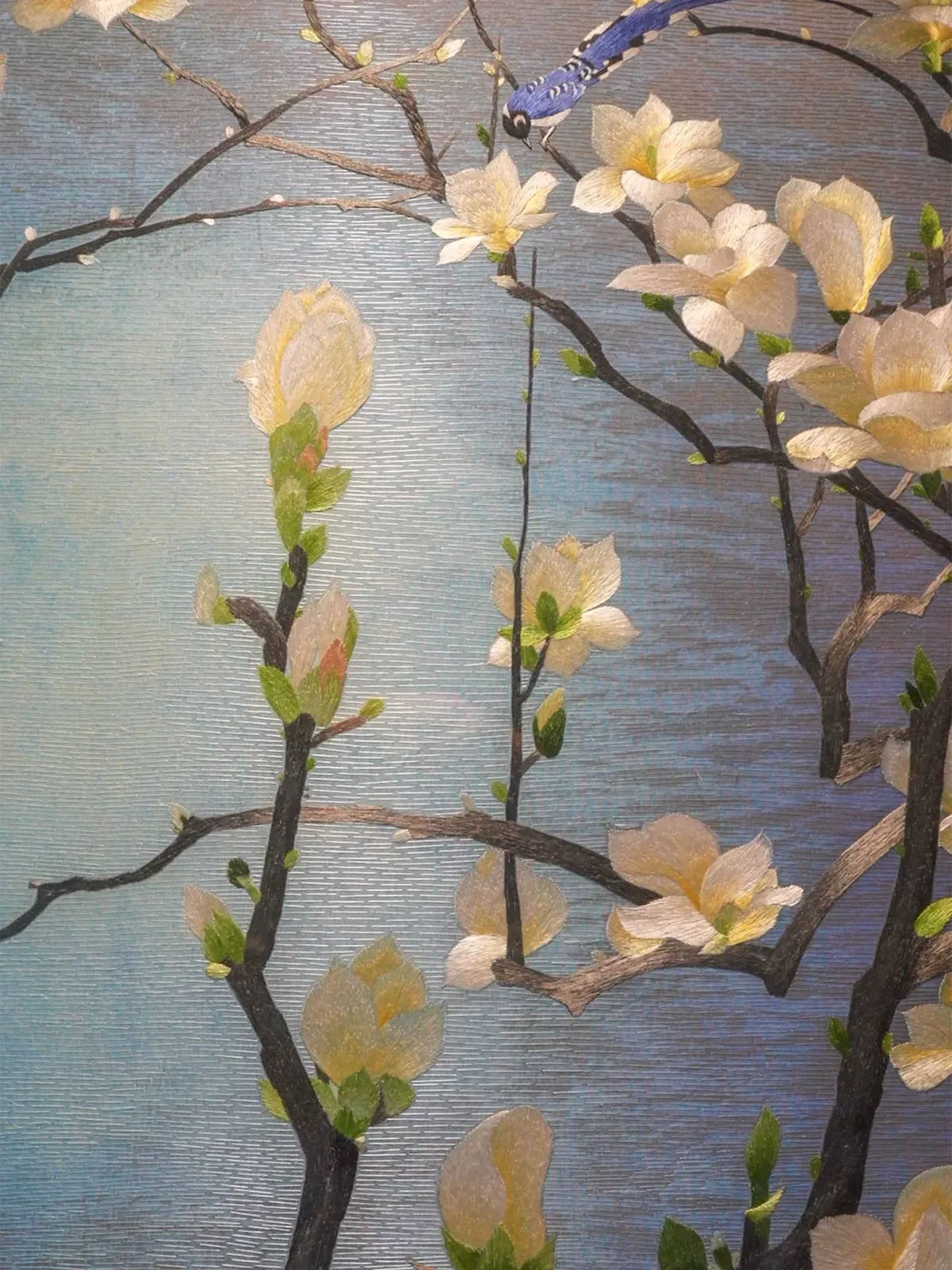
A good design method is rarely visible as a method. We notice its results instead: objects that feel calm to use, interiors that seem settled rather than staged, and products that remain convincing long after first impression. Yet behind that calm usually lies a discipline of selection, editing, and attention to ordinary use.
For brands working with craft-based objects, this matters even more. Design cannot be separated from material behaviour, scale, touch, and pace. A method that ignores daily life produces beautiful images and awkward objects. A method shaped by real use produces things people return to naturally.
Design often goes wrong when display is treated as the primary goal. The object must photograph well, of course, but it also needs to behave well in the hand, on a desk, by a bedside, or within a quiet evening ritual. Starting from use changes the decisions that follow.
It asks different questions: how often will this be handled, what kind of atmosphere should it support, and what should feel immediate versus discovered over time?
Material should not be treated as a neutral carrier of form. It sets the emotional register of the object. Silk behaves differently from lacquer, plant fibre from metal, natural fragrance from synthetic intensity. A thoughtful design method pays attention to what the material already suggests, then builds form in sympathy with it.
When design works against material, the object feels strained. When it works with material, the object gains coherence.
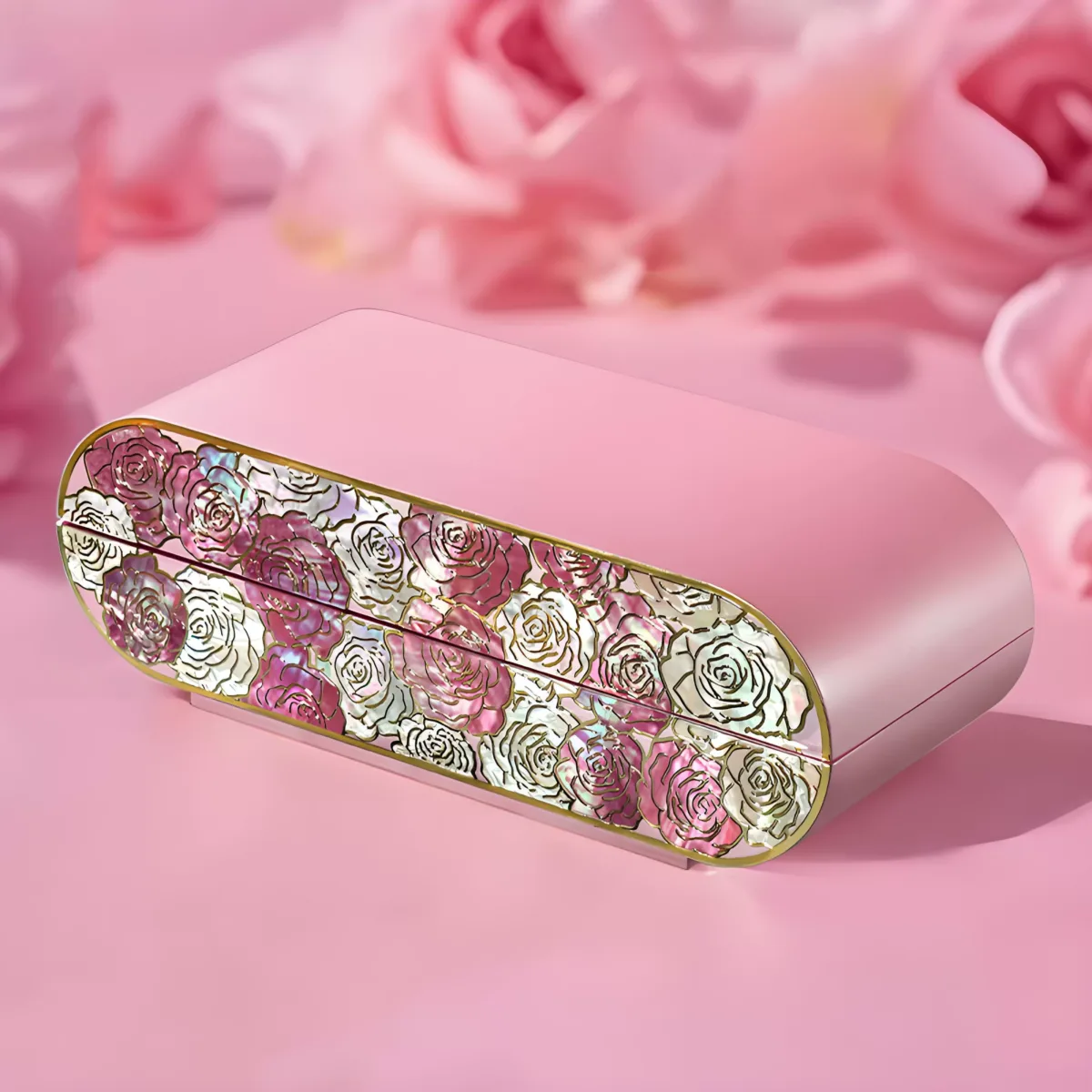
Much of design quality comes from subtraction. Removing noise clarifies use, strengthens proportion, and allows details that matter to become visible. This is especially important in craft-oriented products, where materials already carry a lot of expressive information.
Editing is not austerity for its own sake. It is the discipline of letting the object speak clearly enough that its purpose, texture, and rhythm are not buried under excess.
Design maturity often appears as restraint: the confidence to remove what does not deepen use, meaning, or material presence.
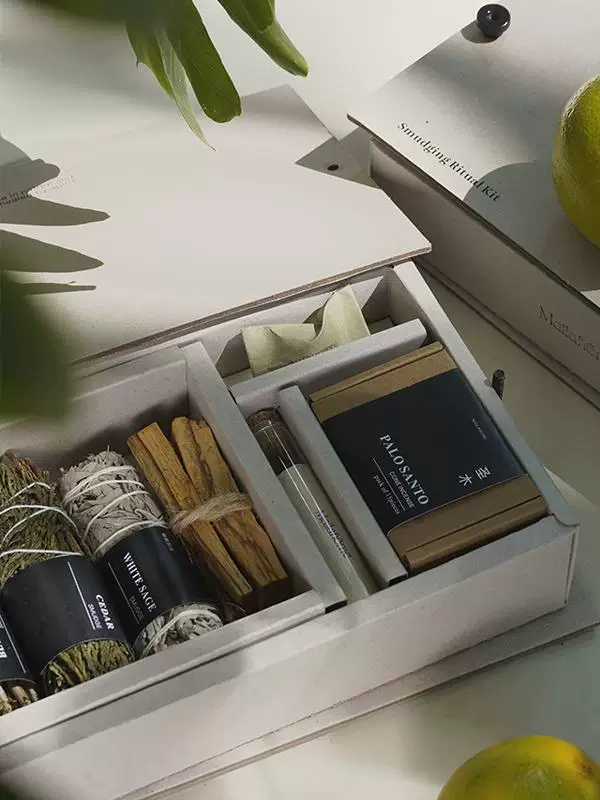
Daily life is repetitive. The objects that serve it well are designed with repetition in mind. They open easily, store cleanly, sit comfortably, and maintain a sense of order over time. Their forms do not exhaust the user.
That is why quiet design can be so powerful. It respects the fact that many of our most important relationships with objects are modest and frequent rather than dramatic and rare.
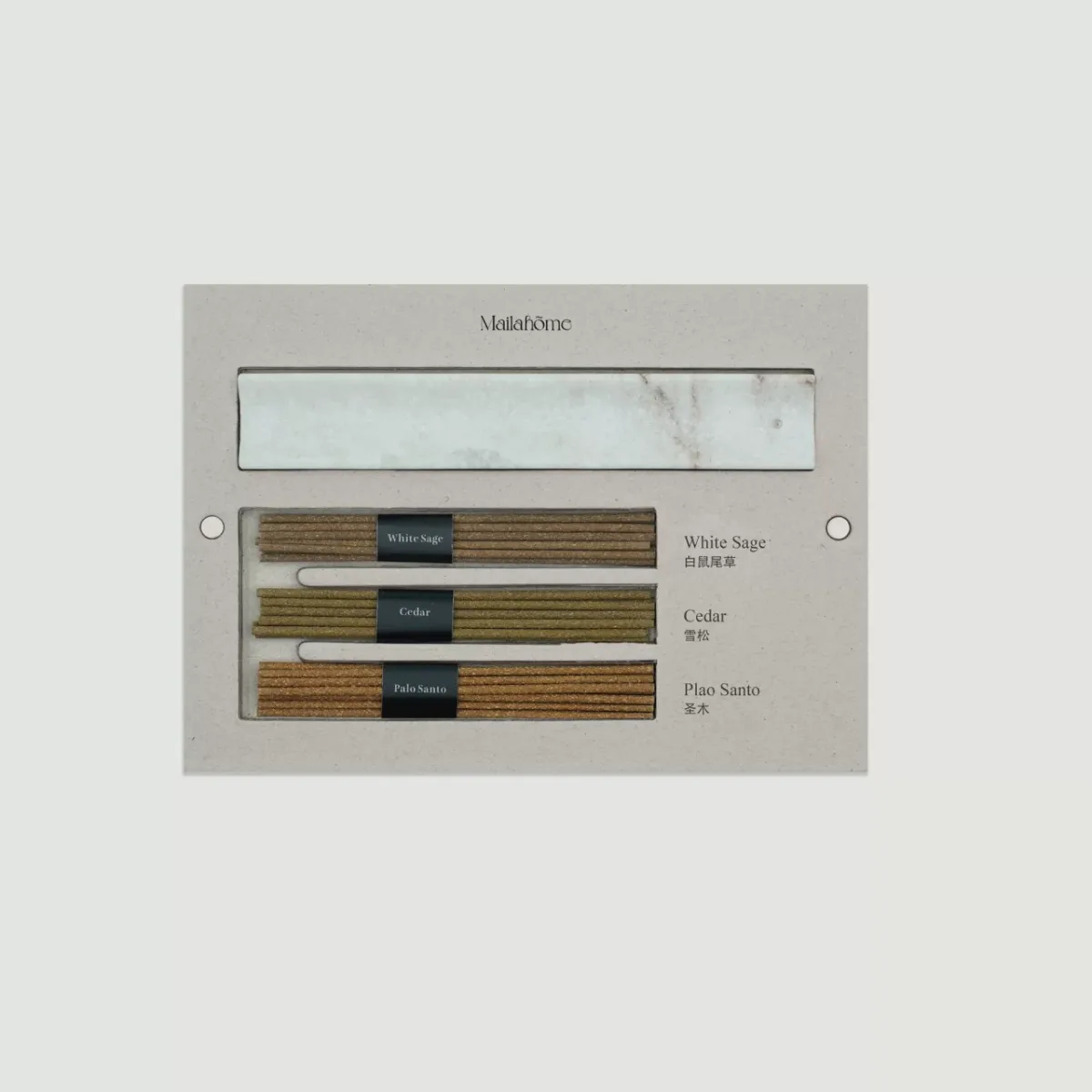
To design for quiet living is not to design without character. It is to let character emerge through proportion, material, tone, and useful ritual instead of overstatement. The strongest objects often feel distinctive because they are resolved, not because they are loud.
A mature design method understands this balance. It creates work that can live closely with people — work that stays present, useful, and persuasive precisely because it does not ask for attention in the wrong ways.