Subscribe to stay in-the-know
Enter your details to receive communications about our products and services, events, and cultural endeavours.
Slow living is not simply minimalism; it is a way of noticing texture, ritual, memory, and the small objects that shape daily attention.
Slow living is not strict minimalism. It is a way of choosing objects and rituals that support attention, texture, memory, and daily steadiness.
Minimalism often focuses on reduction. Slow living begins somewhere else: with attention. It asks whether the objects that remain help you notice time, texture, breath, and use.
A slow home does not need to be empty. It needs to be legible. Each object should have a reason to be there.
Without texture, calm can become flat. Woven cloth, ceramic glaze, natural stone, paper, wood, and incense smoke all bring small changes into a room.
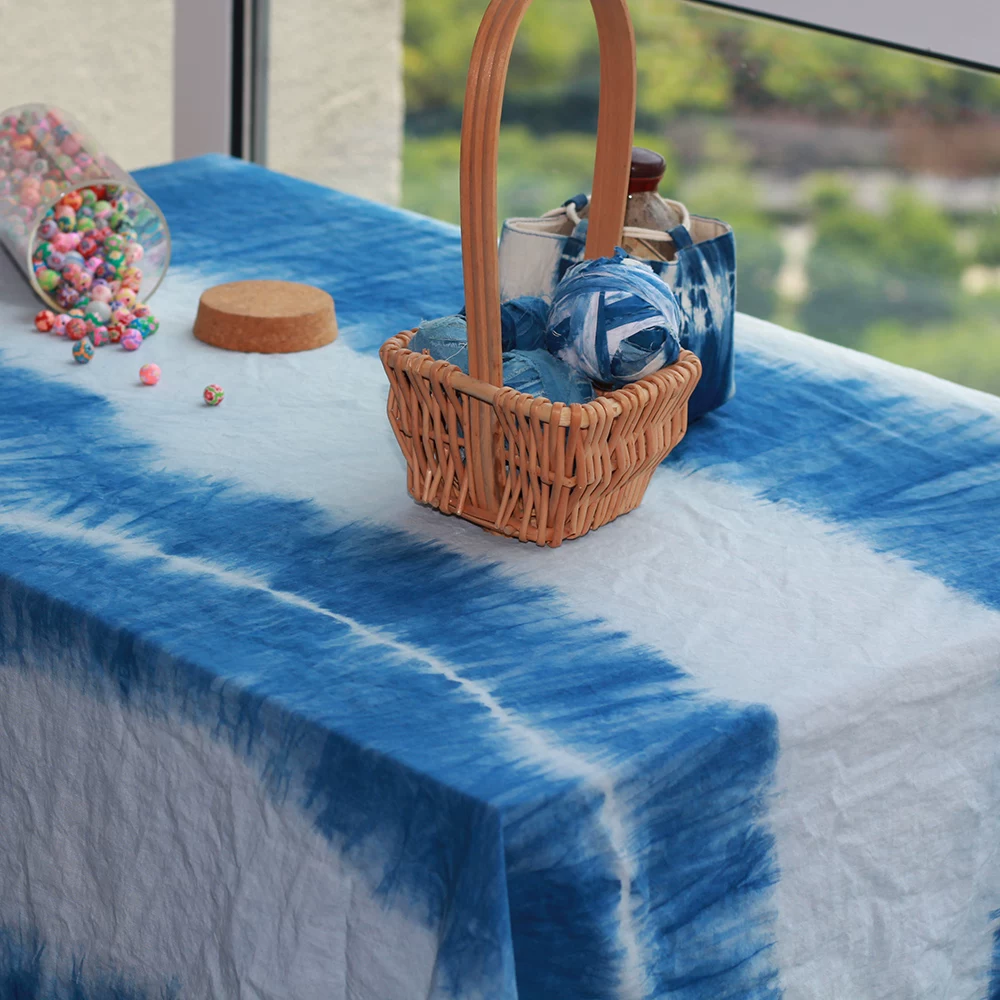
Textiles are especially useful because they soften modern interiors without making them feel themed. A hand-dyed runner from Decor can add atmosphere while staying functional.
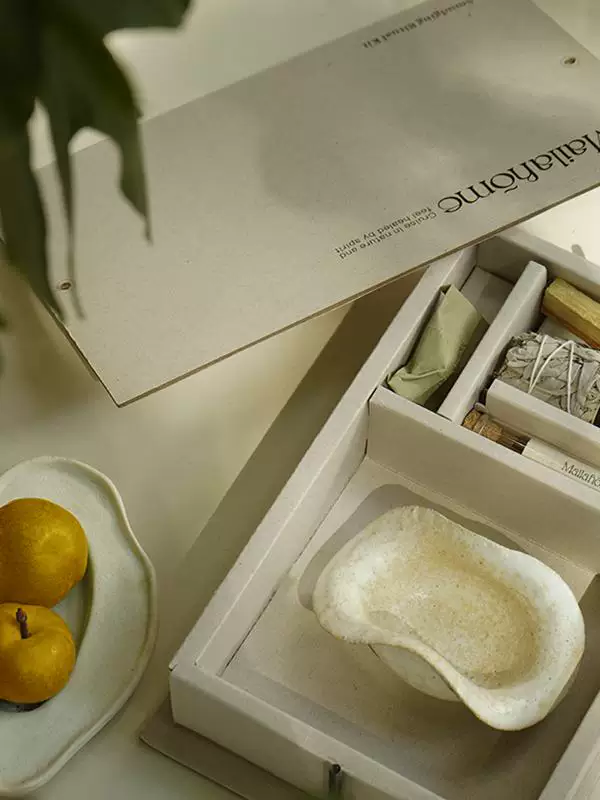
A ritual does not need to be formal. Lighting incense before reading, choosing a cup for the morning, or putting on a bracelet before leaving home can all become small acts of attention.
A slow home should not look like a showroom. The objects that matter often carry memory: where they were found, how they are used, who gave them, or what moments they frame.
Crafted objects are well suited to this because their surfaces already contain time. They can gather your time as well.
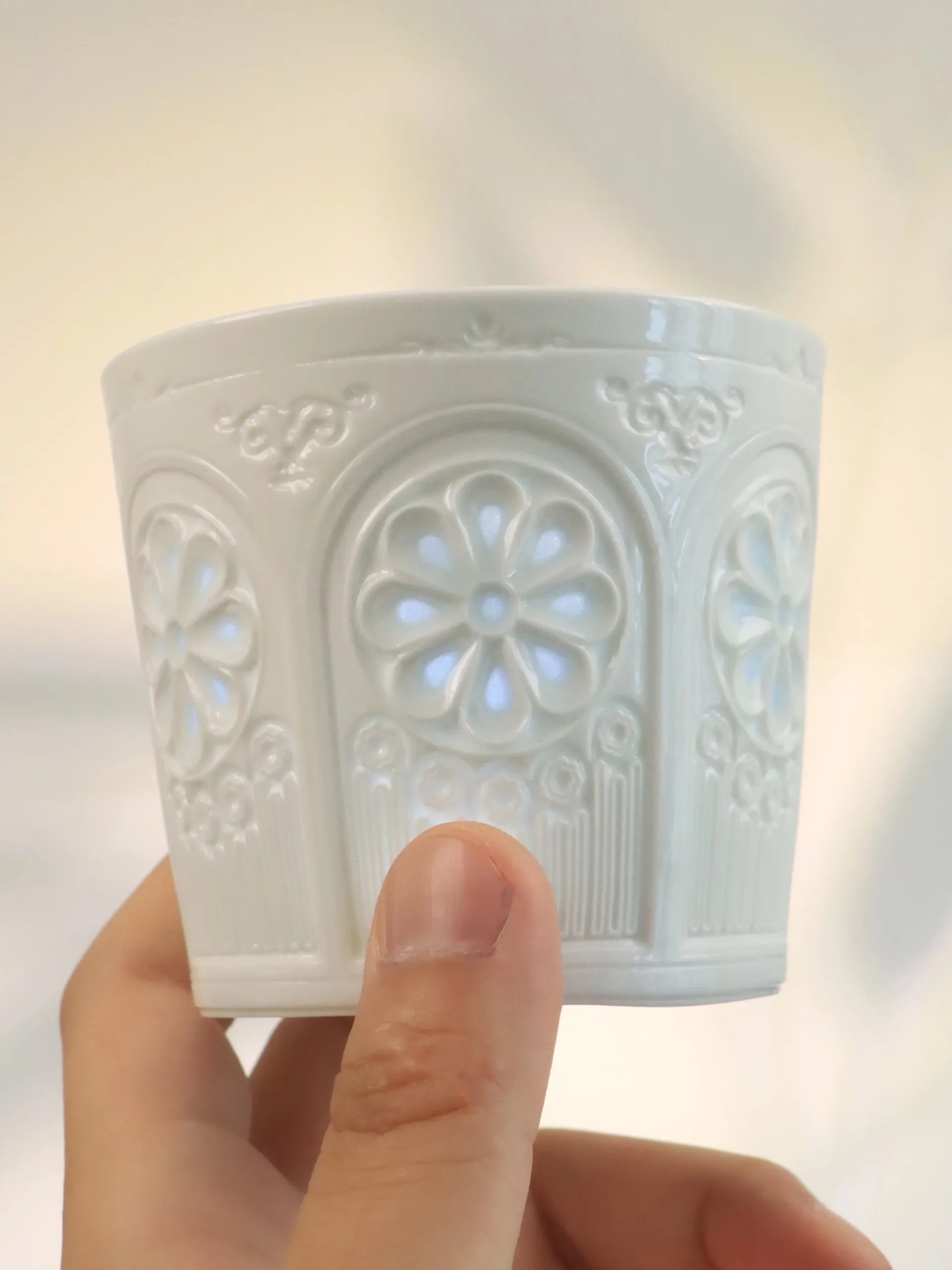
Slow living is not about perfect surfaces or a strict palette. It is about making room for human pace. Texture, ritual, and memory keep that pace visible.
The result is a home that feels quiet, but not empty.
Slow living becomes more durable when it is supported by useful objects, repeated rituals, and materials that invite attention. Related reading: modern ritual objects and traditional craft in modern homes.
For wider reference, see UNESCO context on intangible cultural heritage.