Subscribe to stay in-the-know
Enter your details to receive communications about our products and services, events, and cultural endeavours.
An object worth keeping is rarely just decorative; it usually combines material honesty, daily usefulness, emotional memory, and lasting attention.
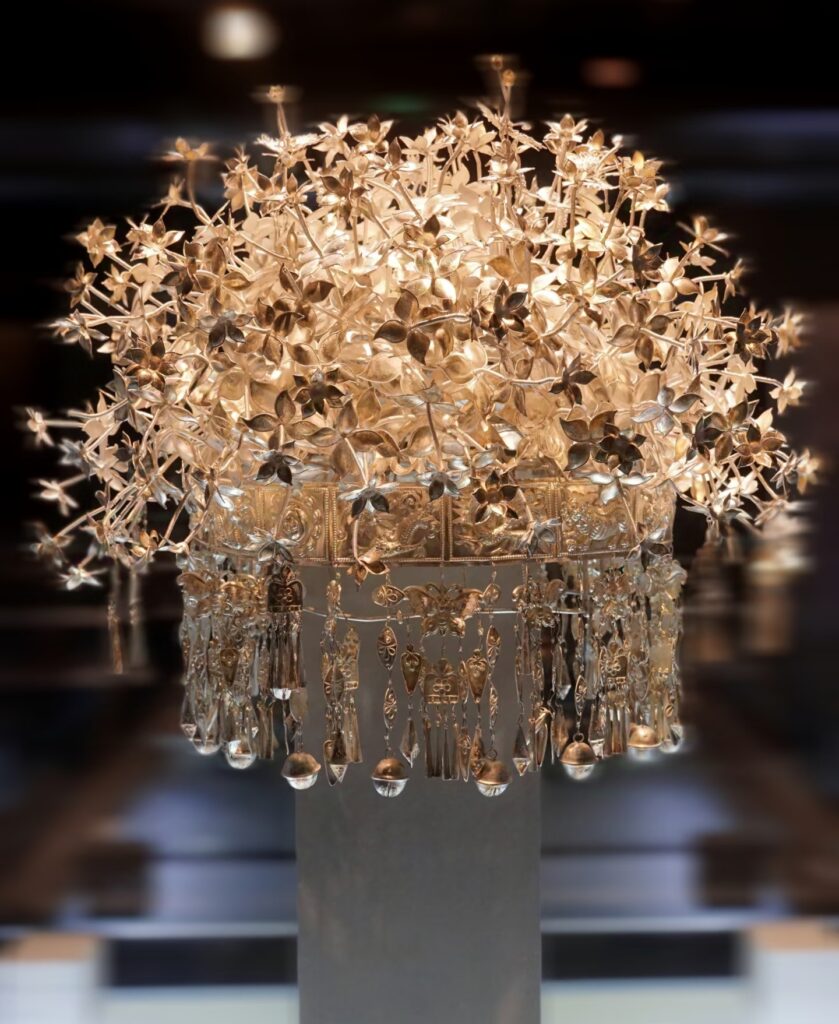
An object is worth keeping when it remains useful, continues to reward attention, and gathers personal memory without losing material integrity.
Many objects are exciting at the moment of purchase, but quickly become background noise. The objects worth keeping usually do something quieter: they keep making sense after the first impression has passed.
This may happen because the object is used every day, because its material changes beautifully with light, or because it becomes attached to a repeated moment.
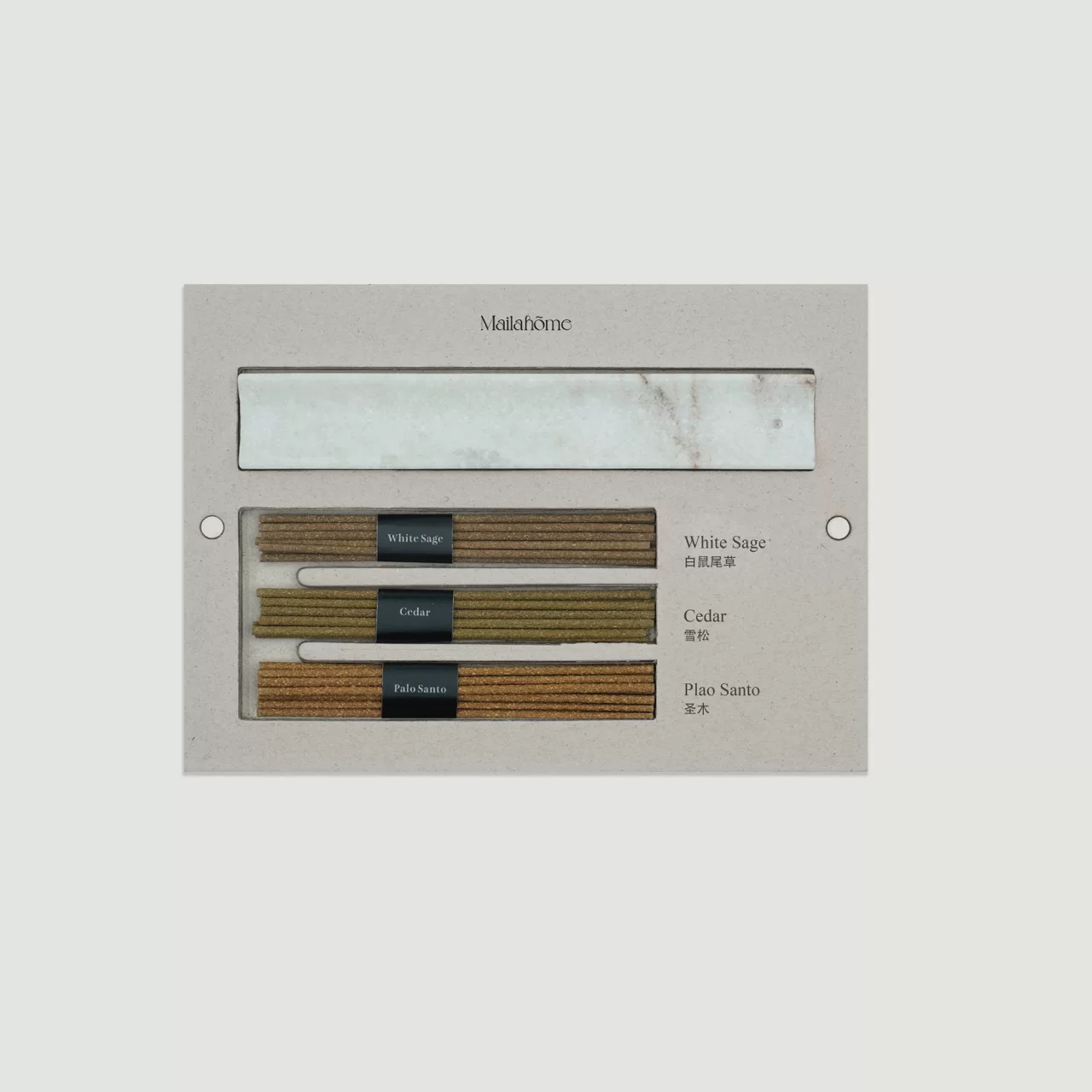
Materials with depth tend to age better emotionally. Ceramic glaze, woven cloth, crystal bead, shell inlay, and incense wood all have surfaces that respond to looking, touch, or ritual.
That is why Ginkgoods often starts with material rather than trend. A crafted object in the collection should have enough material presence to live beyond a season.
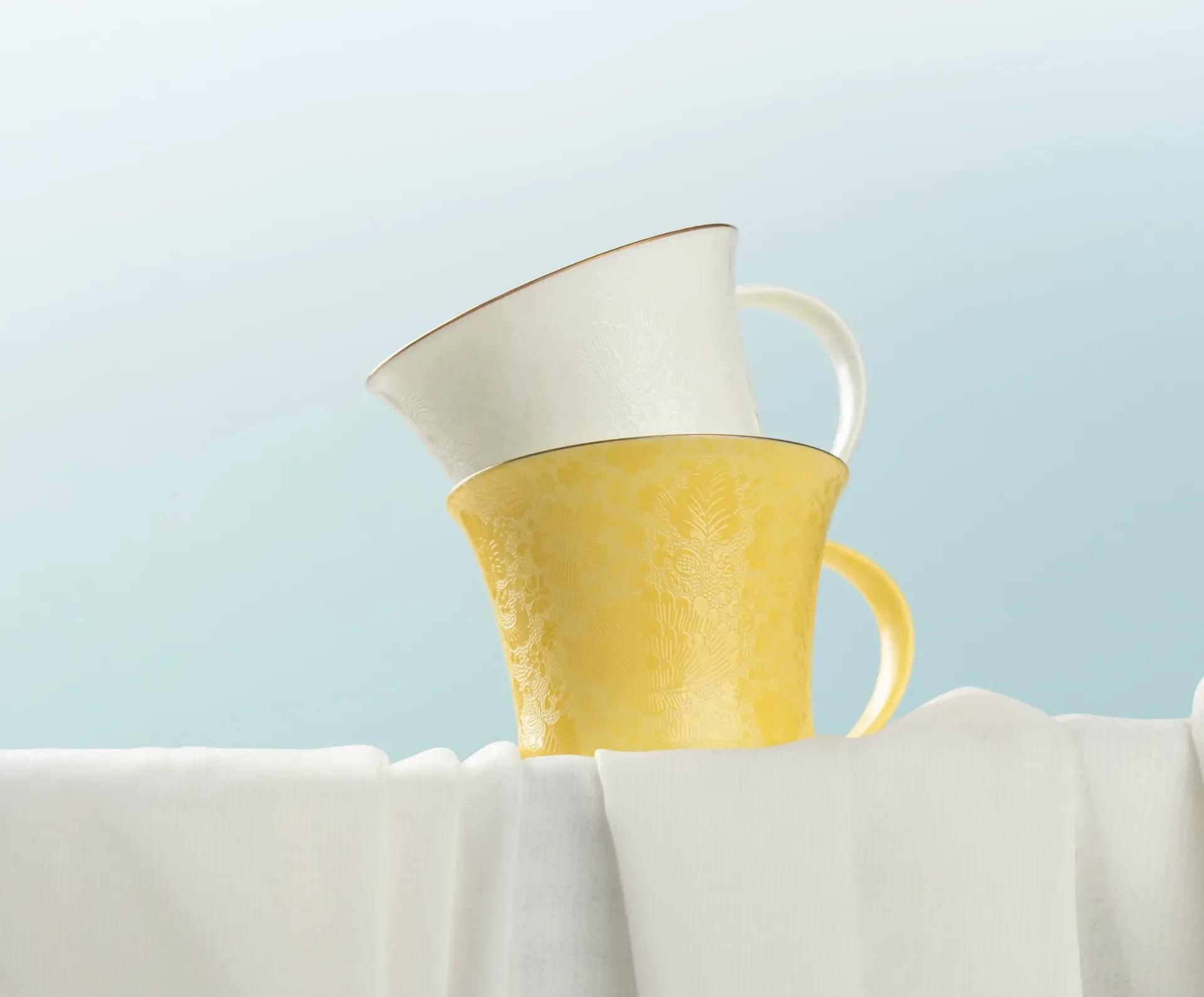
An unused object can still be beautiful, but use creates attachment. A cup chosen for coffee, a textile moved with the seasons, or a bracelet worn during travel becomes connected to life.
Memory can be practical. It may be the feeling of a ceramic handle, the scent associated with evening reading, or the texture of a textile on a desk. These small sensory links make objects feel personal.
This idea continues the thinking behind Product Philosophy for Everyday Rituals: a kept object should remain useful and meaningful at the same time.
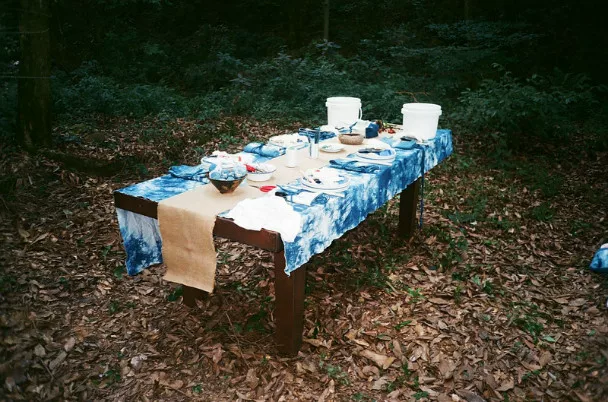
The goal is not to make every purchase serious. It is to ask whether the object has enough material, use, and memory potential to deserve space.
A home filled with fewer, better objects can feel warmer than a room filled with decorative noise.
An object worth keeping earns its place through use, material depth, and memory rather than novelty alone. Related reading: why small personal objects carry meaning and objects with process.
For wider reference, see UNESCO context on intangible cultural heritage.