Subscribe to stay in-the-know
Enter your details to receive communications about our products and services, events, and cultural endeavours.
Subscribe to stay in-the-know
Enter your details to receive communications about our products and services, events, and cultural endeavours.
A closer look at lacquer, shell inlay, and the slow discipline that gives these objects their depth.
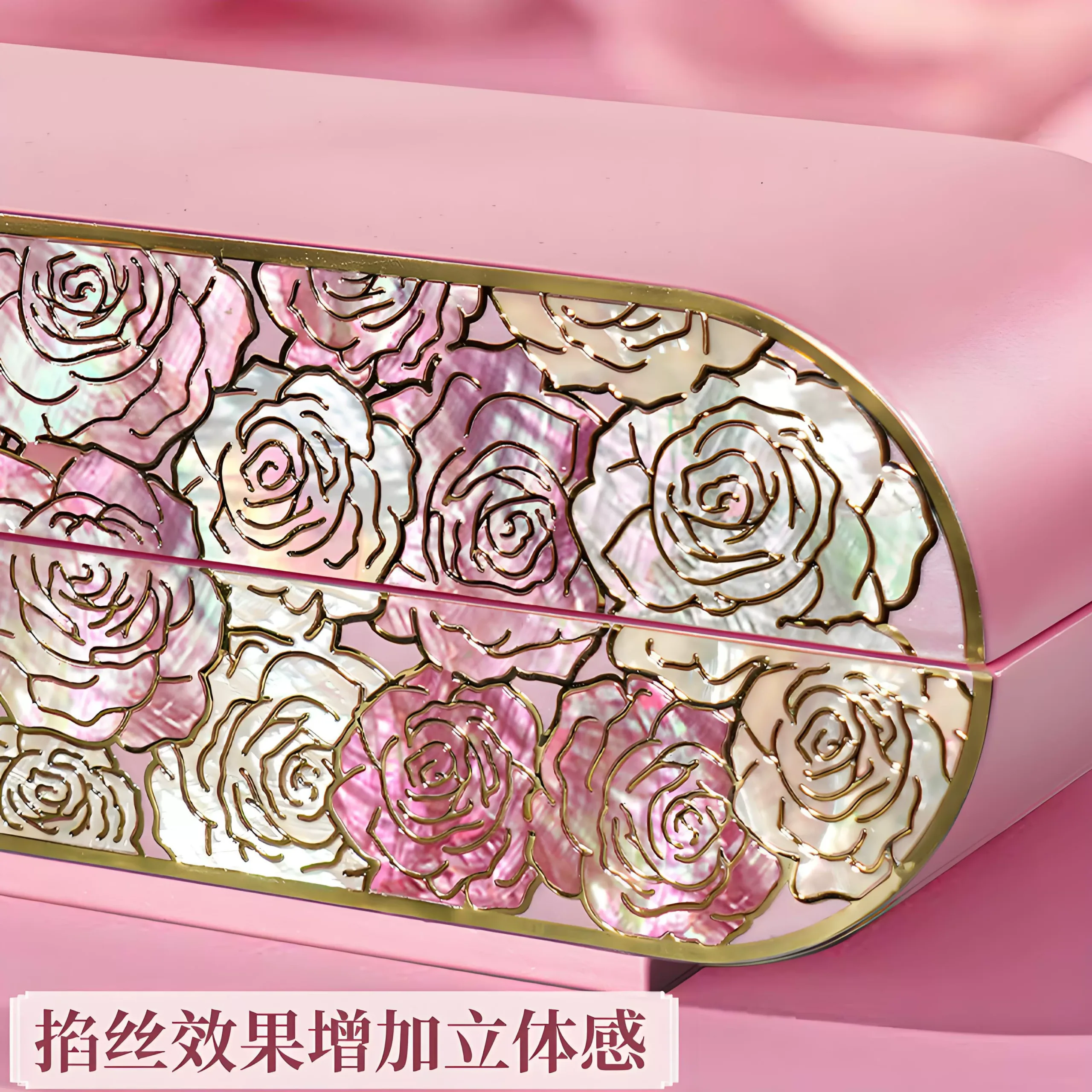
Genuine lacquer is a biological material, harvested as sap and applied in dozens of thin, patient layers. Each layer must dry in a humid environment before being sanded and reapplied. This creates a surface with a deep, liquid-like shine that feels warm to the touch.
In contrast to synthetic coatings, natural lacquer hardens over time, becoming more durable and lustrous with age. When choosing lacquerware, look for a surface that feels substantial and displays a smooth, mirror-like finish without bubbles or unevenness.
Raden involves inlaying thin slices of iridescent shell into the lacquer surface. The shells are carefully selected for their color play—shifting from pinks and greens to deep blues depending on the light. This creates a ‘celestial’ effect that defines high-end artisan boxes.
The shells must be flush with the lacquer surface, requiring the artisan to sand the lacquer down until the shell is revealed without damaging its fragile structure. This balance of metal, shell, and sap is the hallmark of the craft.
Lacquerware thrives in stable environments. Extreme dryness can cause the wood base to shrink, potentially cracking the lacquer. Avoid placing pieces in direct sunlight or near heating vents.
To clean, use a soft, dry cloth or a slightly damp one for stubborn spots. Never soak lacquerware or use abrasive cleaners. Frequent handling is actually beneficial, as the natural oils from your hands help maintain the surface’s characteristic glow.